Exhibition

Current
2026
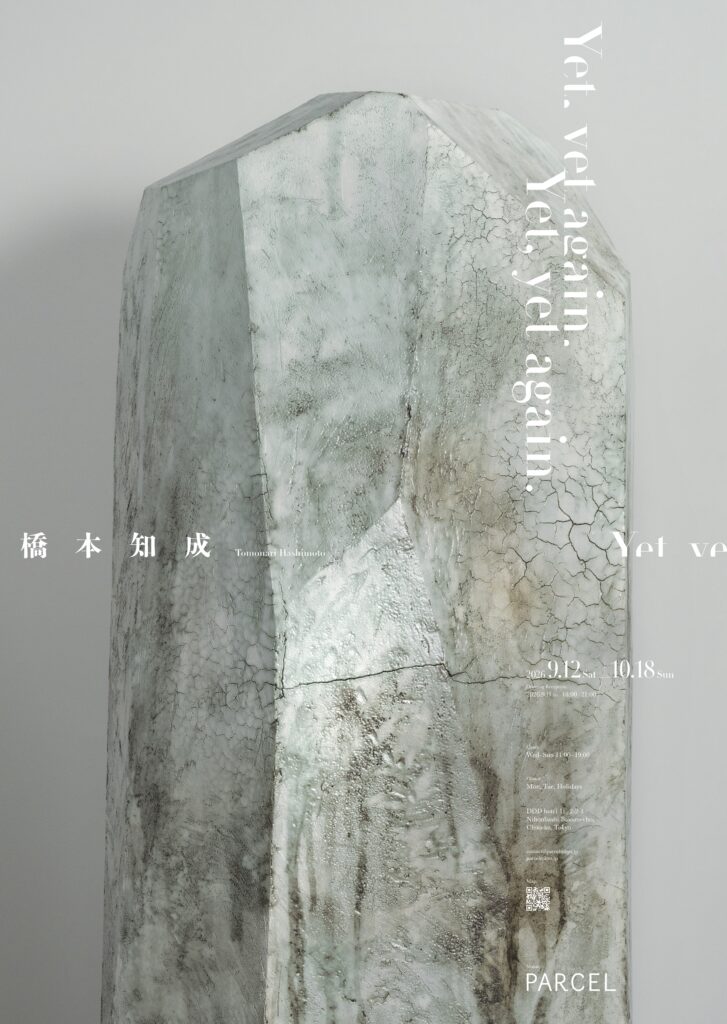
09.12Sat
2026
10.18Sun.
PARCEL
Open on Wed - Sun
14:00 - 19:00
Closed: Mon, Tue, National Holidays
Opening reception on September 11th, Fri. 18:00-21:00
Yet, yet again.
橋本 知成|Tomonari Hashimoto
details - JP
この度、PARCELでは、橋本知成による個展「Yet, yet again.」を開催いたします。2022年にparcelで開催した個展以来、約4年ぶりとなる本展では、新作を中心に、橋本知成の現在地をご紹介いたします。
橋本知成は、滋賀県信楽町を拠点に大型のセラミック彫刻を制作するアーティストです。これまで発表してきた作品には、立方体や球体、柱状のフォルムなど、一見すると静かで幾何学的な造形が数多く見られます。その均整の取れたフォルムは、完成された形態を目指す意志と、人の思い通りにはならない土という素材との対話のなかから生まれています。
紐状にした粘土を積み上げていく「手びねり」によって成形される巨大な土塊は、自重によってわずかに歪み、乾燥や焼成の過程でも絶えず変化を続けます。橋本はそうした素材の変化を受け止めながら、土を盛り、削り、磨き、ときに崩し、再び積み上げるという工程を何度も繰り返し、自らのイメージへ少しずつ近づいていきます。作品に残る指跡や削り跡、ひび割れ、刷毛目、金属釉薬の滲みは、そうした制作の過程で自然と現れた痕跡です。一見すると偶然によって生まれたようにも見えるその表情の奥には、理想と現実のあいだを往復しながら積み重ねられた時間と、作家の身体の記憶が静かに刻まれています。
本展で橋本が新たに発表するのは、「白」を基調としたシリーズです。これまで作品を象徴してきた金属釉薬による鮮やかな色彩から距離を置き、情報を削ぎ落とすことで、造形そのもの、そして土という素材との関係をこれまで以上に見つめ直そうとしています。
白い層の奥からかすかに現れる刷毛目や金属の滲み、土のムラ、成形時のわずかな揺らぎ。これらは、従来であれば色彩の奥に隠されていたかもしれない痕跡です。しかし色彩が抑えられたことで、作品に現れる表情はむしろ豊かに立ち現れ、橋本が素材と向き合い続けてきた軌跡そのものが浮かび上がります。
展覧会タイトル「Yet, yet again.」には、「それでも、もう一度」という反復の感覚が込められています。思い描く形態へ近づこうとしても、土は絶えずその姿を変え続けます。それでも橋本は手を止めることなく、幾度も土と向き合い、造形を積み重ねていきます。その終わりのない反復は、同じことを繰り返すためではなく、自らの造形を少しずつ更新していくための営みです。
本展では、新たなシリーズを通して、橋本知成が現在向き合っている造形のあり方をご紹介いたします。静けさのなかで立ち現れるのは、素材が持つ時間であり、作家が積み重ねてきた身体の痕跡でもあります。繰り返し続ける制作のなかで変化を重ねていく橋本知成の現在を、ぜひご覧ください。
数年前から漠然と白い作品への興味がありました。しかし、それに対して自ら制作を大きく変えるということに、なかなか踏み出せずにいました。きっかけとなったのは、炭化焼成を行ってきた制作環境の変化でした。自分ではどうすることもできない出来事を受け入れざるを得なくなったことで、これまで漠然と考えていた「白」について、本格的に向き合うことになりました。従来の炭化焼成の作品から見た目の印象が大きく変わるために、当初は、新たな表現として捉えるべきではないかとも思いました。しかし、私の目指す白い作品は、炭化の作品とは別の速度や距離を持ったもので、土と焼成に身体を通して向き合い、制御しきれない変化を受け入れながら形を保とうとする行為は、自分にとって同じ地続きの関係として考えるようになりました。また、私は、球体や四角形、多面体など限られた形態を繰り返し制作しています。その反復は、同じものをつくるためではなく、「本当にこれでいいのか」という同じ問いに何度も立ち返るための制作です。素材や焼成、形との関係について、その都度変化する制作条件を受け入れ、わずかな揺らぎと違いを積み重ねていきます。
先日、京都・西芳寺を訪れた際、その考えを改めて整理するきっかけがありました。現在では苔寺として知られる西芳寺も、1300年近い長い歴史の中で、宗派が変わり、災害を経験し、その時々の環境を受け入れながら今日まで続いてきました。近年の気候変動の中で、苔でさえ永遠に守るべきものなのか、それとも、寺が寺としてあり続けることの方が本質なのか、を問い続ける副住職との対話を通して、続けることと同じ姿を保つことは必ずしも一致しないのだと感じました。
私にとっての作品制作もまた同じなのかもしれません。日々の作品制作の中では微細な変化を積み重ねます。また時には、制作を続けるために訪れる大きな変化を受け入れざるを得なければなりません。その中で、変わらないものは何かを、反復を通して問い続けています。変化や速さ、分かりやすさが価値として語られることの多い時代だからこそ、すぐに答えを求めるのではなく、派手さはなくても、ひとつの問いに時間をかけて向き合うことにも意味があると考えています。
–橋本知成
Detail image untitled, 2026
clay, metal oxide, glaze,
Photo by Kohei Omachi
details - EN
PARCEL is pleased to present Yet, yet again., a solo exhibition by Tomonari Hashimoto. This exhibition marks Hashimoto’s return to PARCEL, four years after his first solo presentation in 2022. Yet, yet again. brings together new works that offer a close survey of Hashimoto’s practice as it stands now.
Tomonari Hashimoto is an artist based in Shigaraki, Shiga Prefecture, where he creates large-scale ceramic sculpture. Hashimoto’s works take the form of cubes, spheres, and columns, geometric shapes that are deceptively quiet and measured at first glance. These balanced forms are born from the dialogue between a desire to perfect a shape and the resistance of clay, a material that refuses to be fully controlled.
Formed through the hand-building technique of coiling (tebineri), where clay is rolled into ropes and stacked layer by layer, the monumental mass of clay warps subtly under its own weight, and continues to change throughout the processes of drying and firing. Hashimoto embraces each transformation, adding and removing clay, smoothing and roughening, at times letting a form fall apart before building it back up again. By repeating this cycle many times over, Hashimoto approaches his envisioned form one small step at a time. Each work bears handmarks, carving marks, cracks, brushwork, and bleeding of metallic glaze on the surface, all arising naturally in the course of his creative process. What may appear at first glance to be the work of chance withholds something deeper. Beneath the surface lies the quiet accumulation of time spent moving back and forth between the mind and the material, and the memory of the artist’s body at work.
The new series presented in this exhibition is built around the color white. Setting aside the vivid metallic glaze that has long been a signature of his work, he strips away chromatic detail to engage more closely than ever before with form itself, and at his relationship with the clay as a material.
Faintly visible beneath white layers are traces of brushwork, the bleeding of metal, unevenness in the clay, and the slight wavering left by the hands. Marks once hidden beneath deep colors are now brought to the surface. The works are all the richer for it, as the accumulated trace of Hashimoto’s long engagement with his material is made newly vivid.
Repetition runs through the exhibition title Yet, yet again. However close Hashimoto comes to the form he envisions, the clay refuses to hold still. And still he continues to come back to the clay again and again, building form upon form. This endless repetition is not about making the same thing twice, but it is a practice through which his sculptural language is quietly and incrementally renewed.
Through this new series, the exhibition follows closely how Tomonari Hashimoto is currently approaching sculptural form. What emerges in the stillness is time held within the material, and the bodily traces the artist has laid down through years of making. We invite you to encounter Hashimoto’s practice as it stands now — a body of work formed through continual repetition, the change compounding with every return to the clay.
The idea of white works had been at the back of my mind for several years. Yet I could not quite bring myself to make any drastic change in my practice to pursue it. The break came with a change in my working environment, where I had been working with carbonization firing. When I found myself having to accept conditions outside my control, the idea of white – which had until then remained only a vague thought – became something I could finally face head-on. At first, the stark difference from my previous carbonization works made me wonder whether this should be approached as something entirely new. Initially, the white works I was after prompted a different time frame and position from the carbonization works. However, engaging with the shaping and firing of clay through my body, and coming to terms with what cannot be controlled while trying to hold a form together, I gradually came to understand that these works exist on the same continuous ground. I also continue to work within a selected few forms, returning to spheres, squares, polyhedra again and again. This repetition is not aimed at making the same thing, but at returning to the same question: “Is this really what I am after?” With each work, I accept the ever-shifting relationship between material, firing, and form, building upon an accumulation of small waverings and changes.
Just recently, a visit to Saihoji Temple in Kyoto gave me an occasion to gather these thoughts more clearly. Saihoji, known today as the Moss Temple, has weathered nearly 1,300 years through transitions between Buddhist sects and natural disasters. through it all, an acceptance of each era’s circumstances as they came. By adapting to the conditions of each era, the temple survived to this day. In a conversation with the deputy head priest, he questions whether the moss must be preserved at all costs amid today’s accelerating climate change, or whether what truly matters is the temple remaining what it is – a temple. I began to understand that to continue is not necessarily to stay the same.
Perhaps the same is true of making work. In the daily practice of making, small changes build up. And sometimes, in order to continue making at all, I have no choice but to accept a greater change as it finds me. Through it all, I continue to ask – through repetition – what it is that does not change. In an era that so often values change, speed, and legibility, I believe there is importance in taking time with a single question, without rushing toward an answer, and without the need for spectacle.
– Tomonari Hashimoto
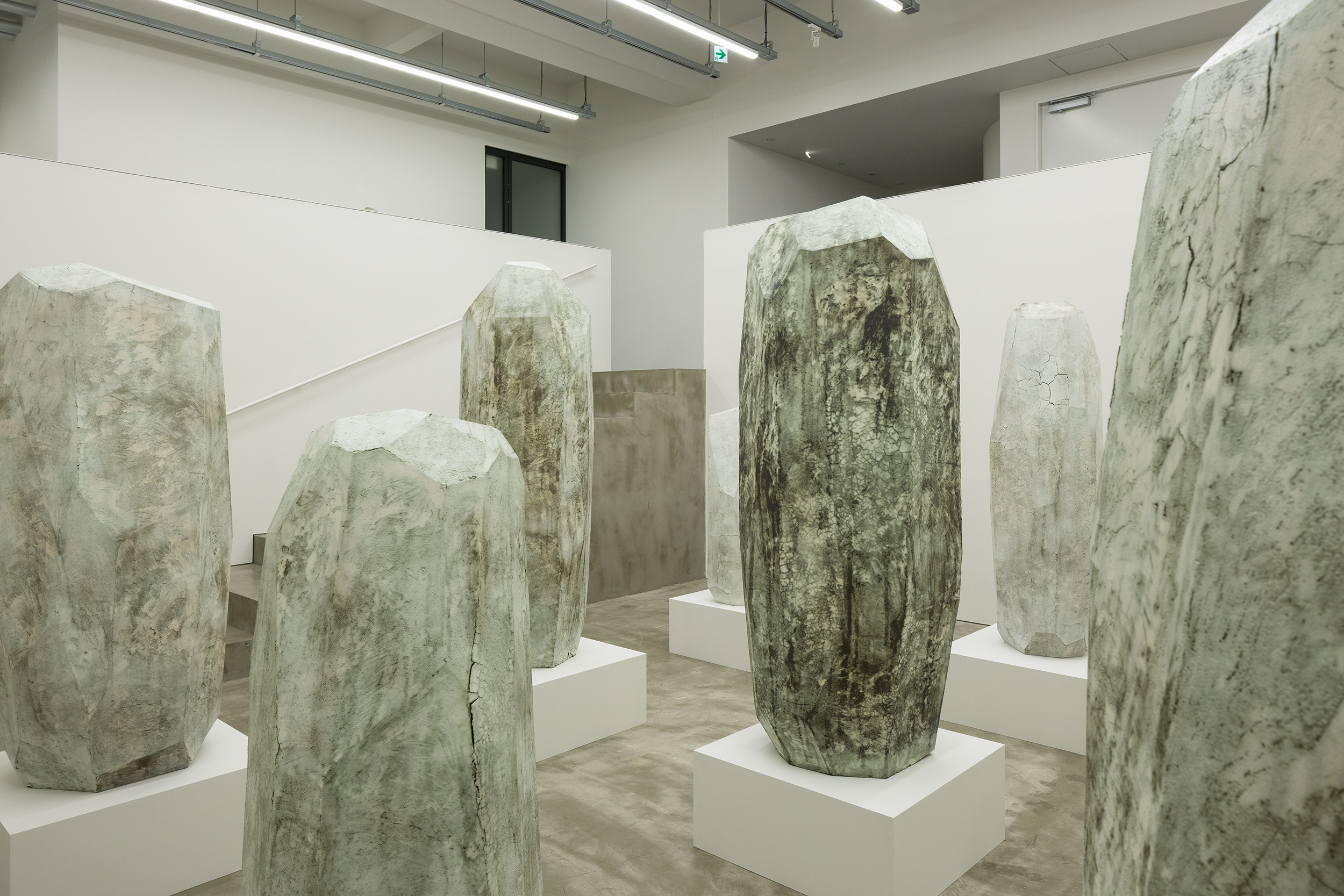
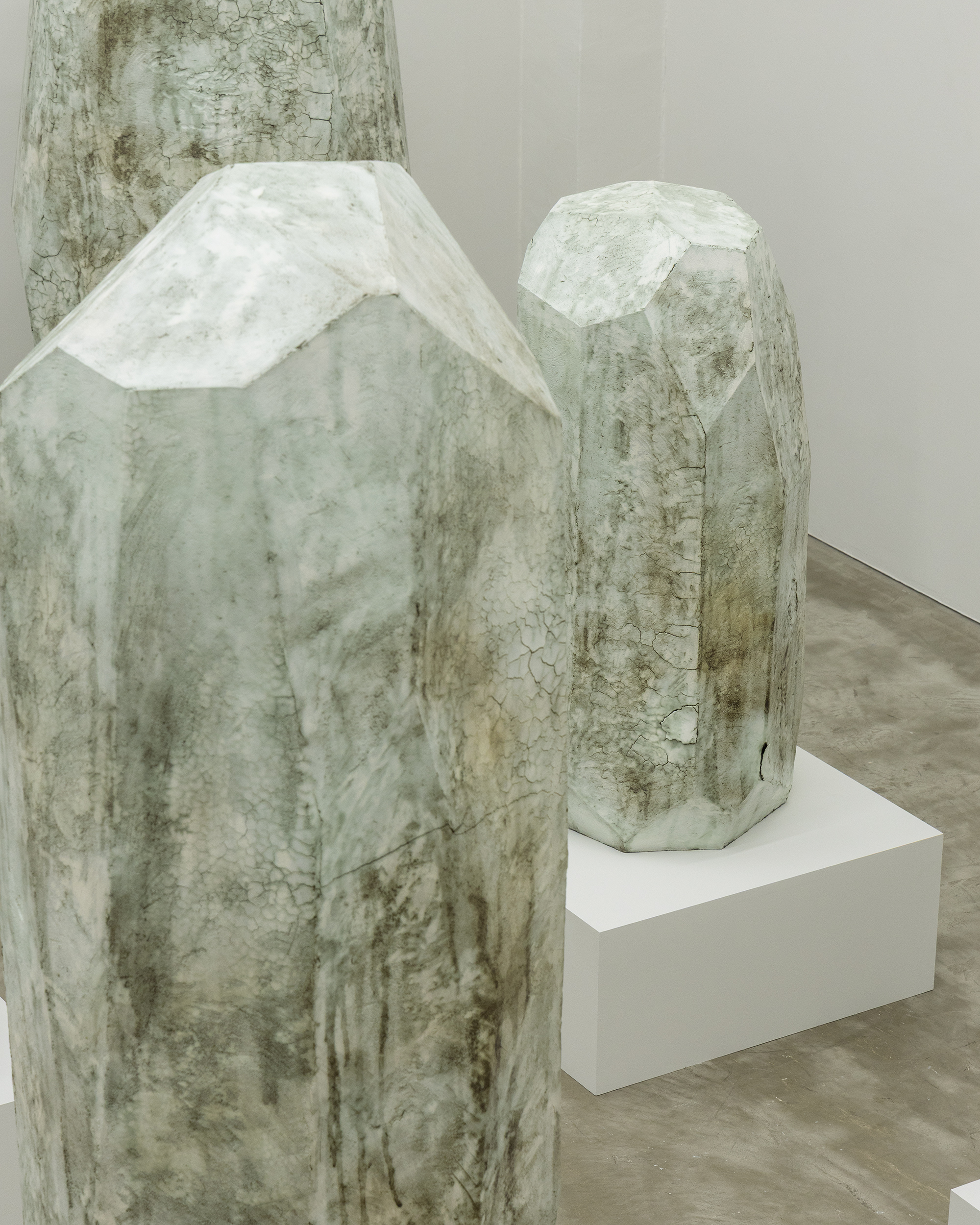
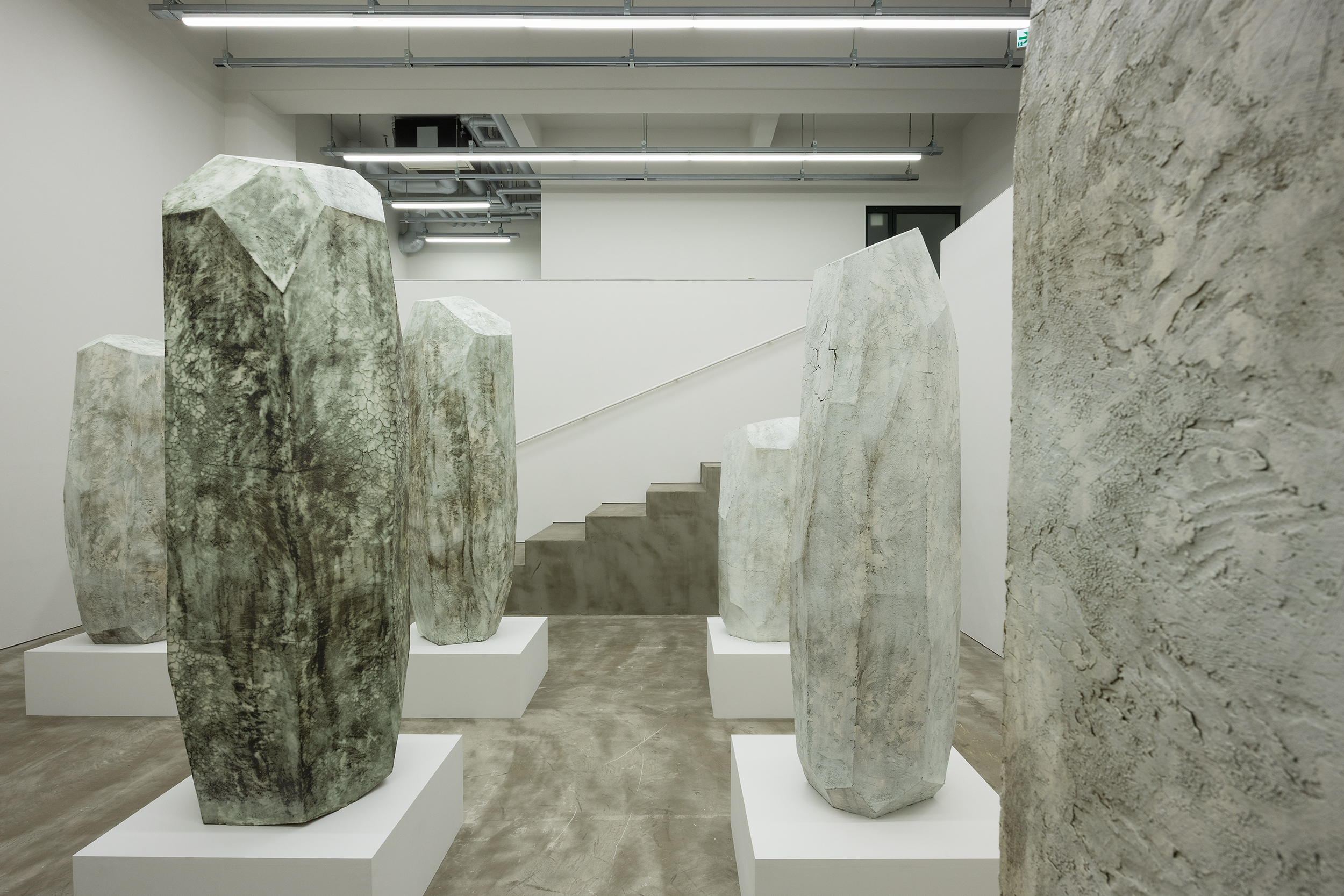
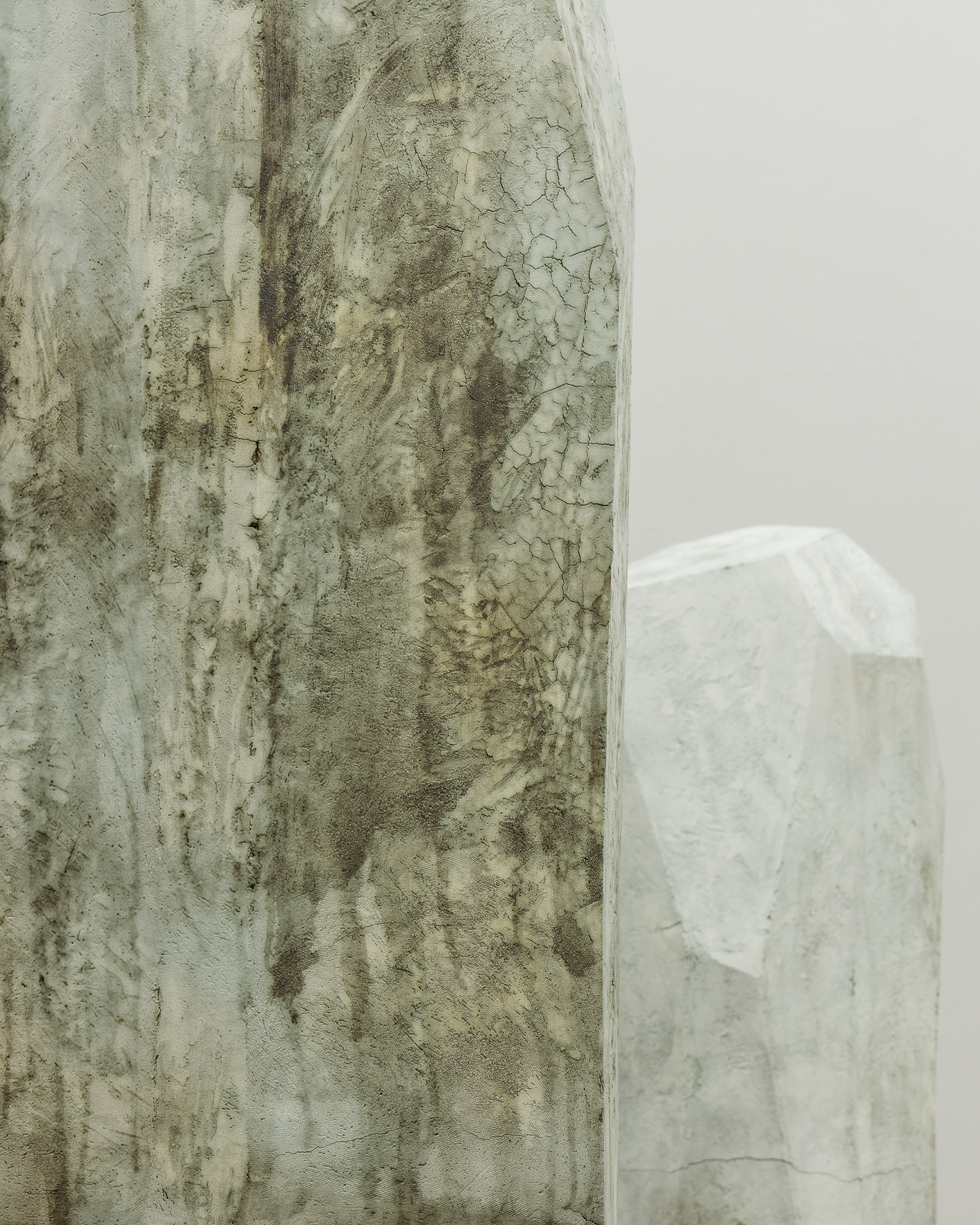
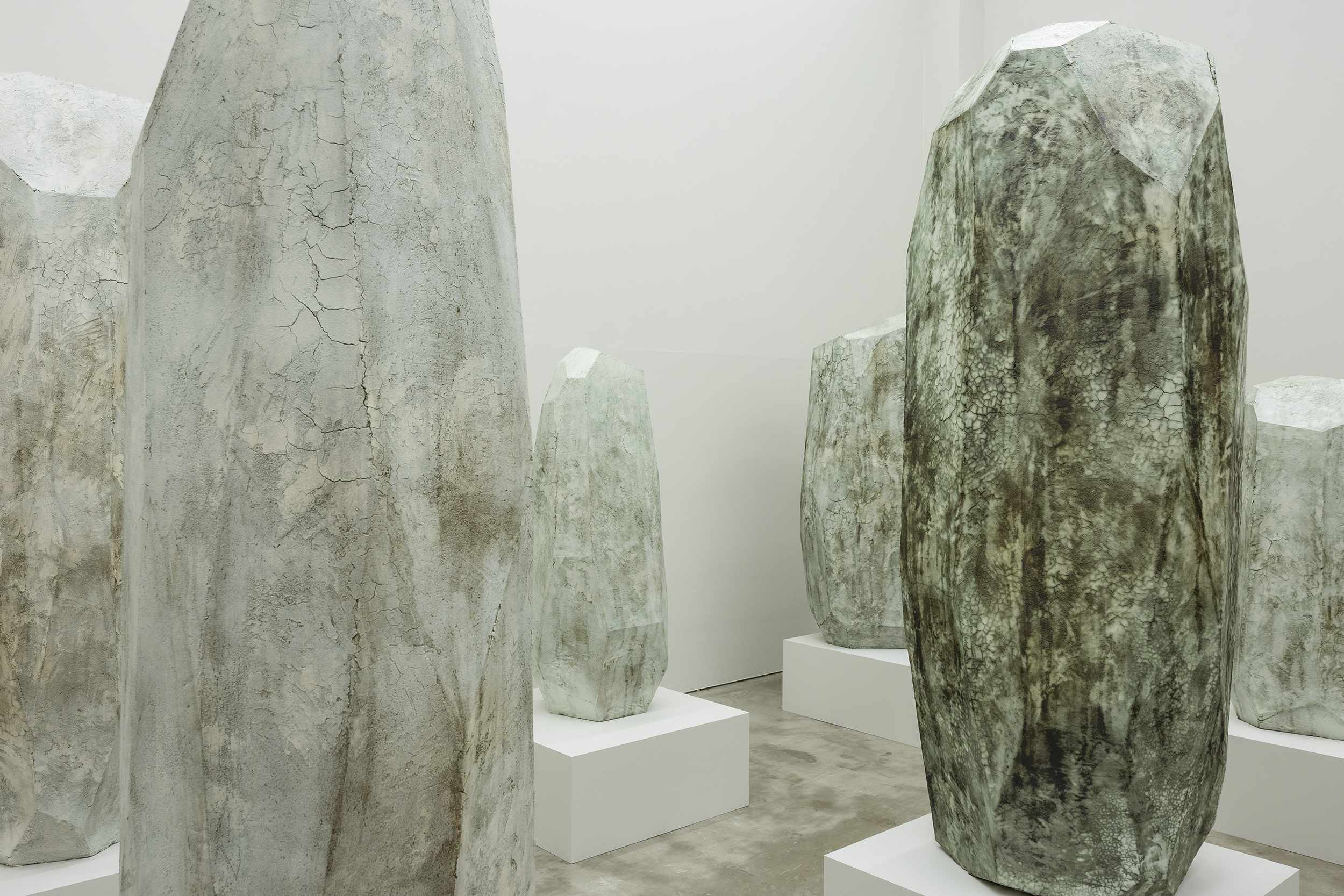
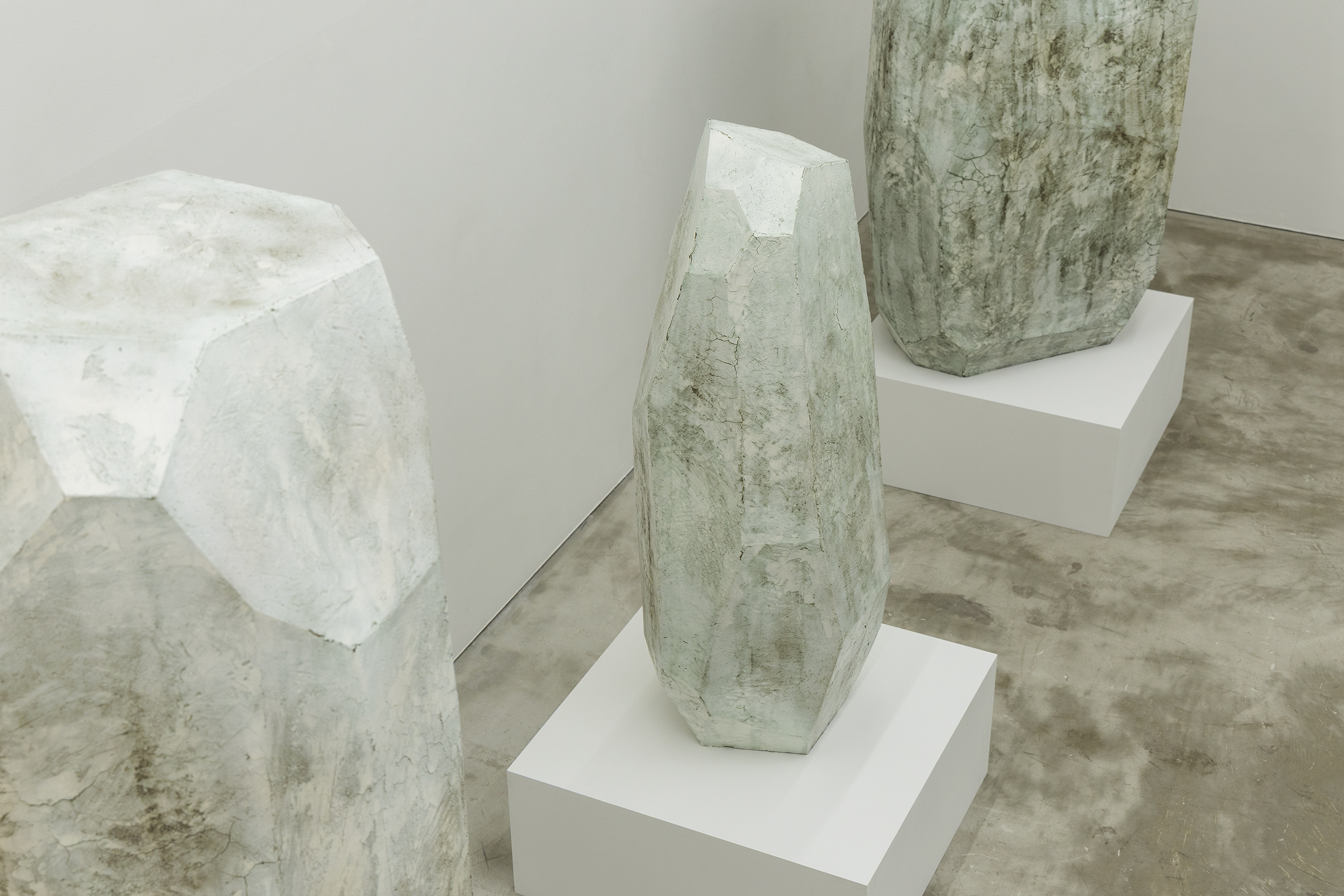
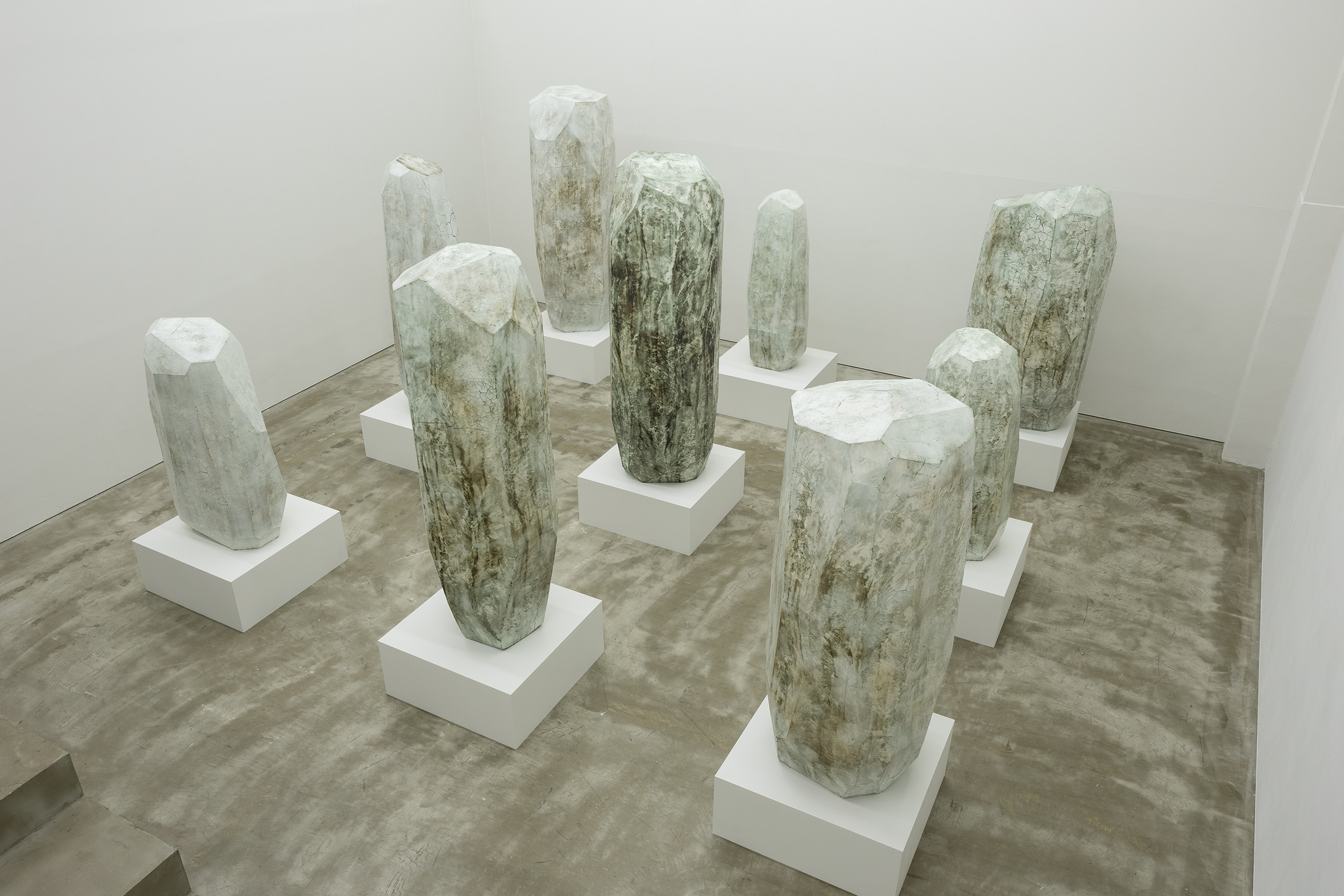
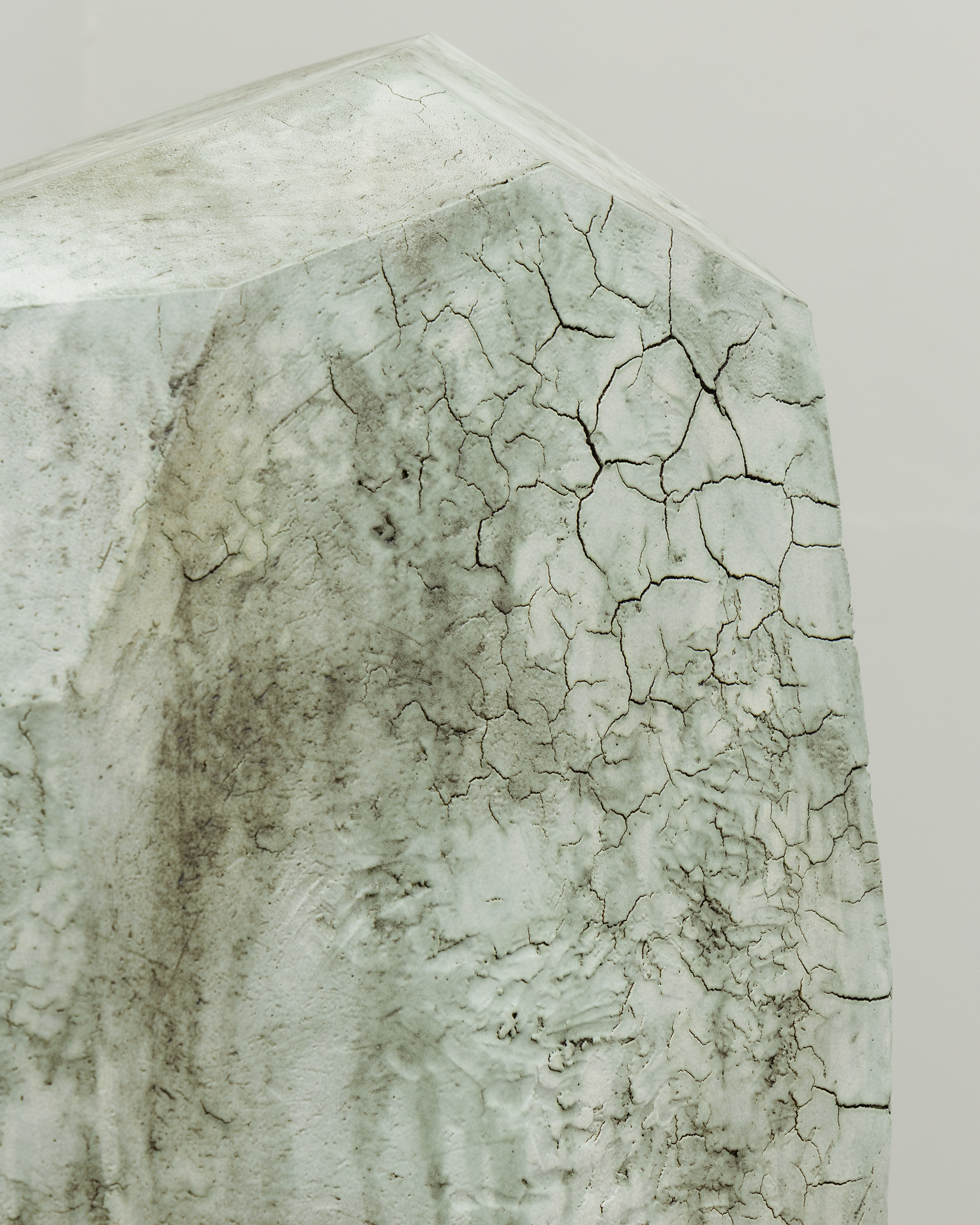
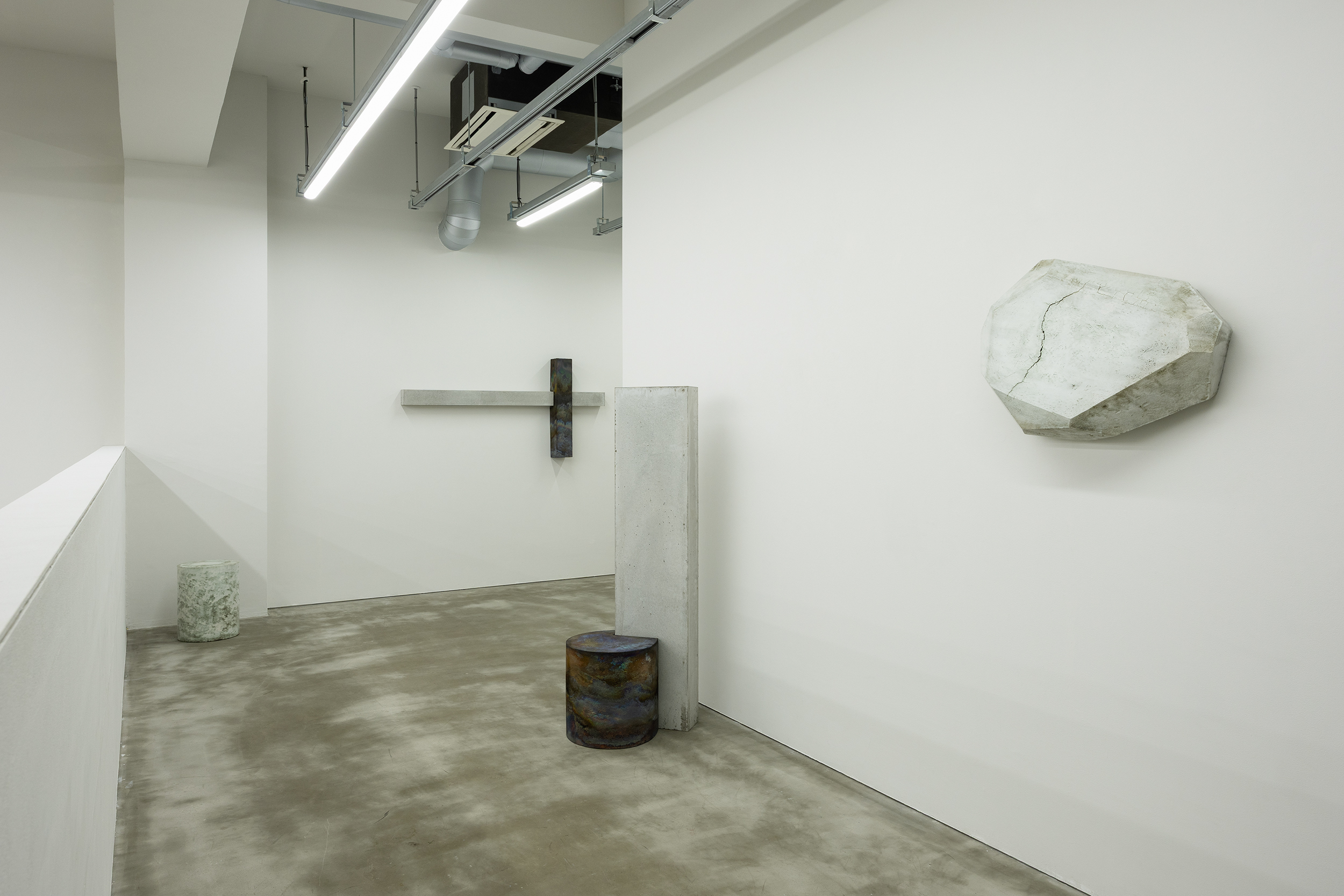
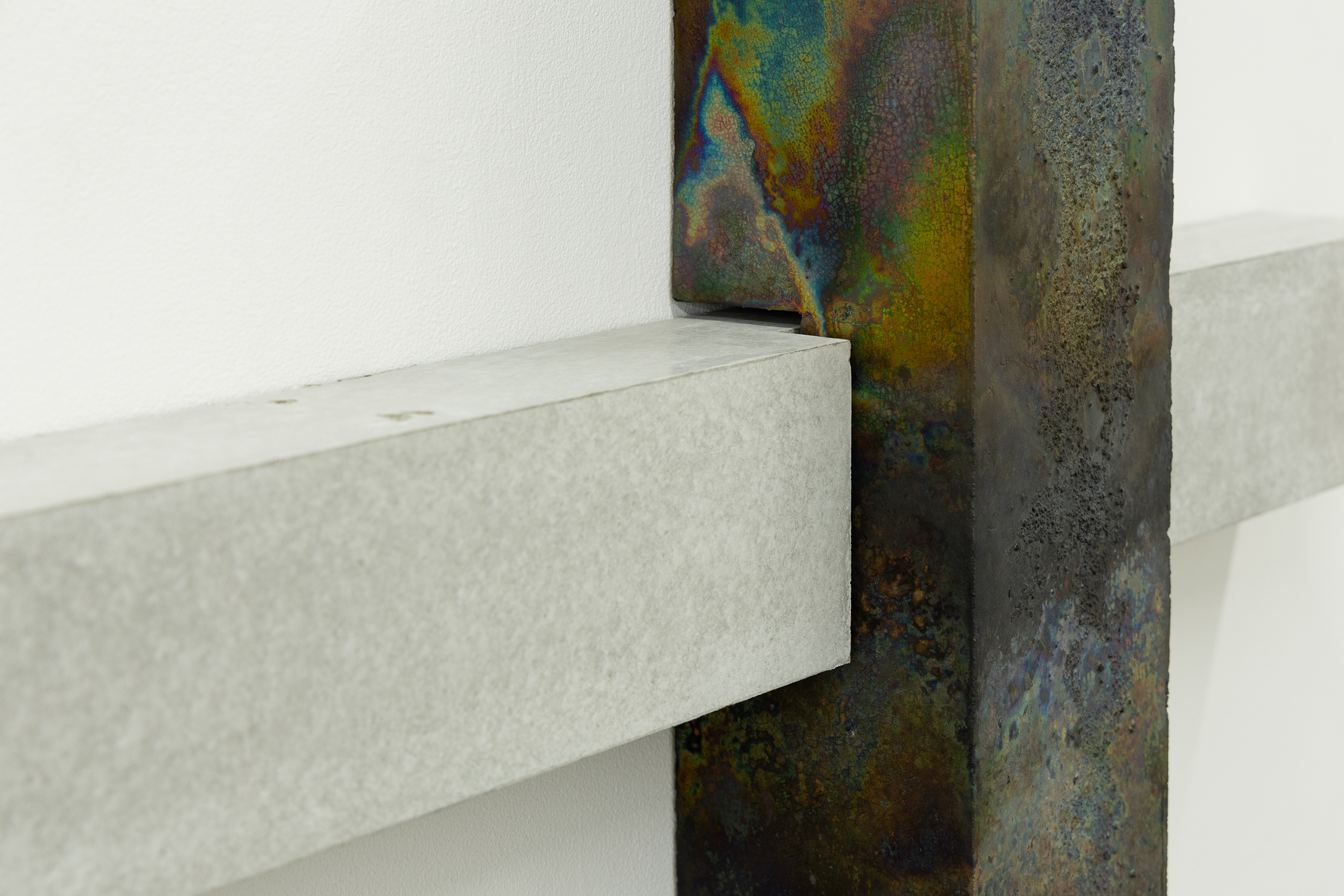
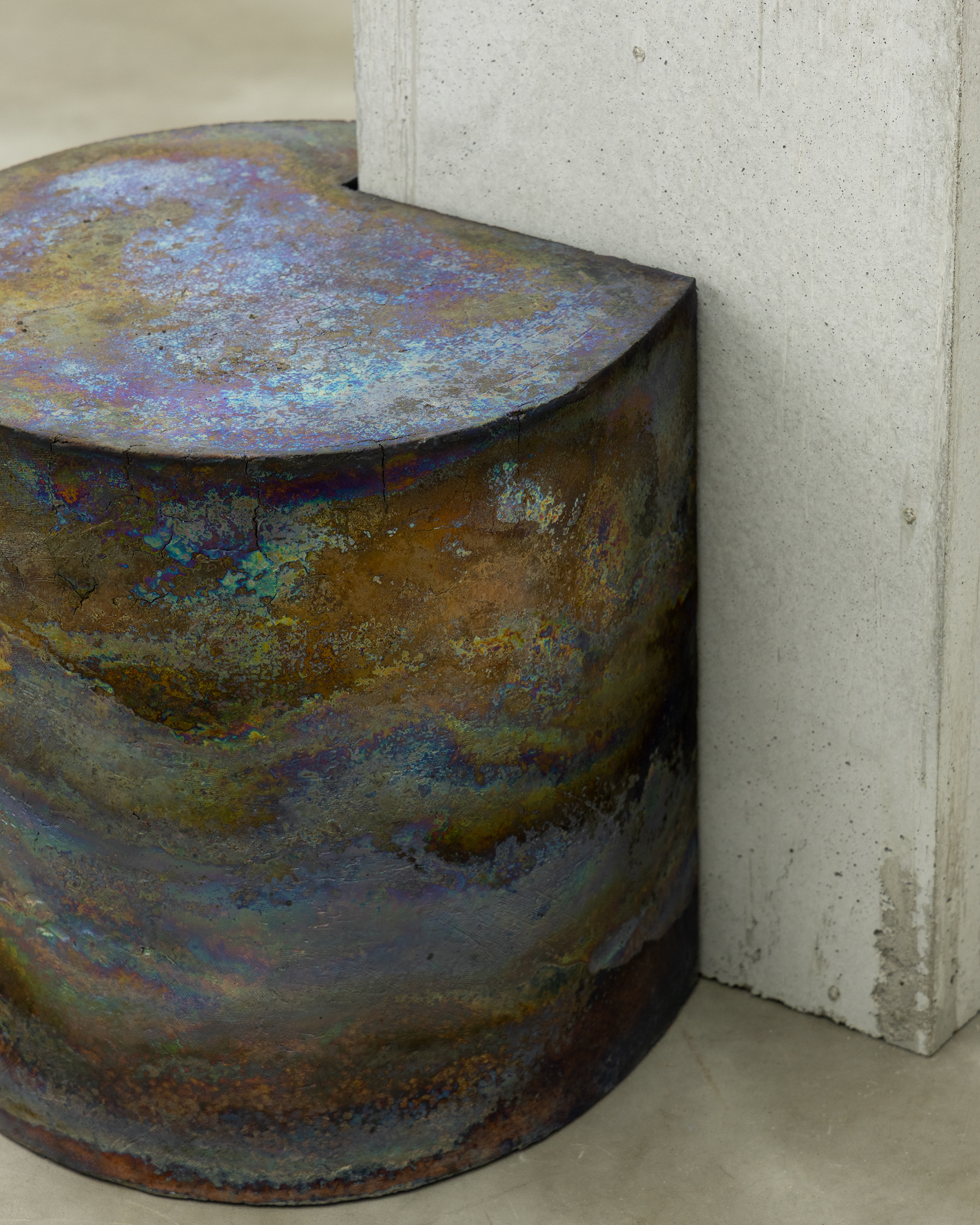
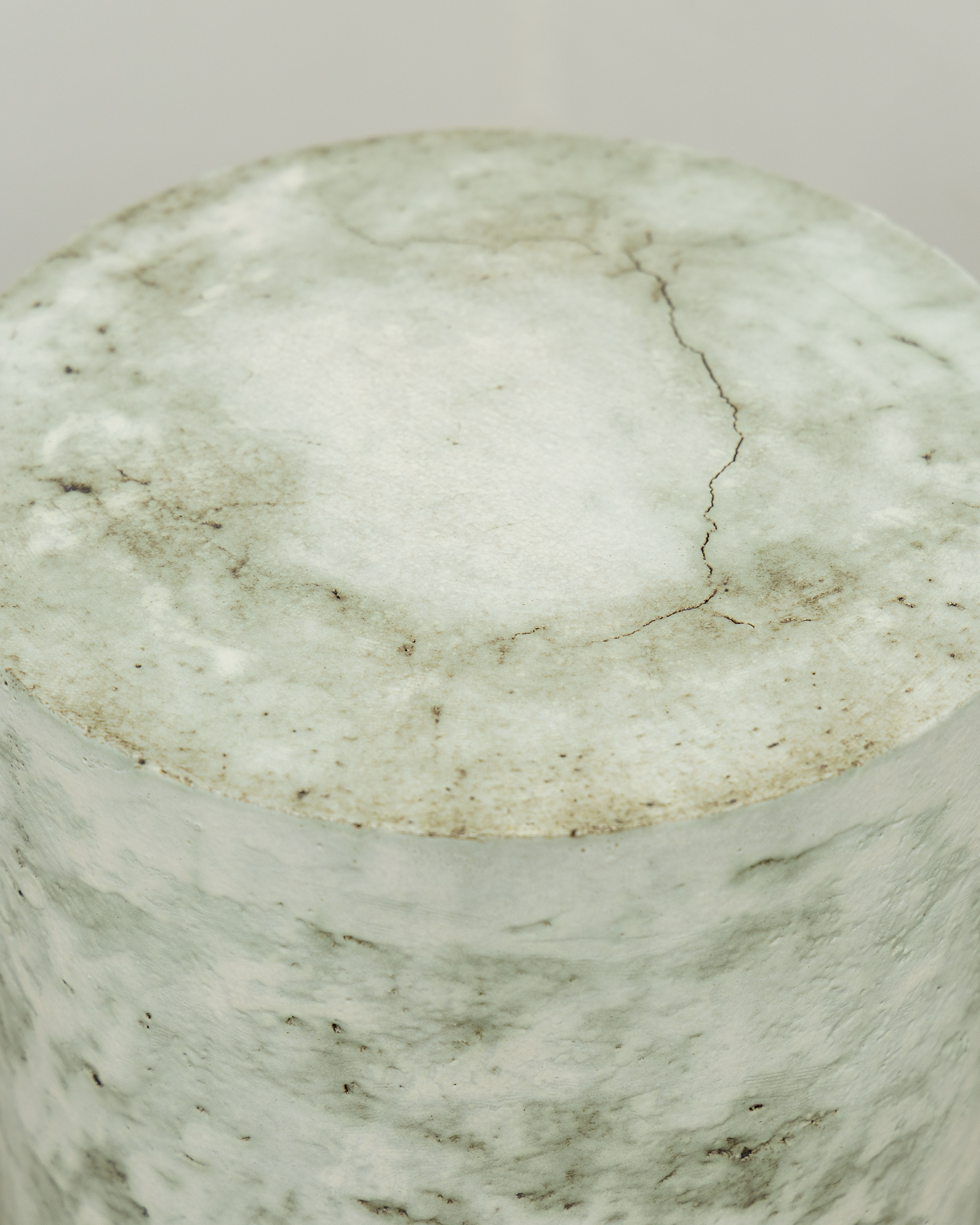
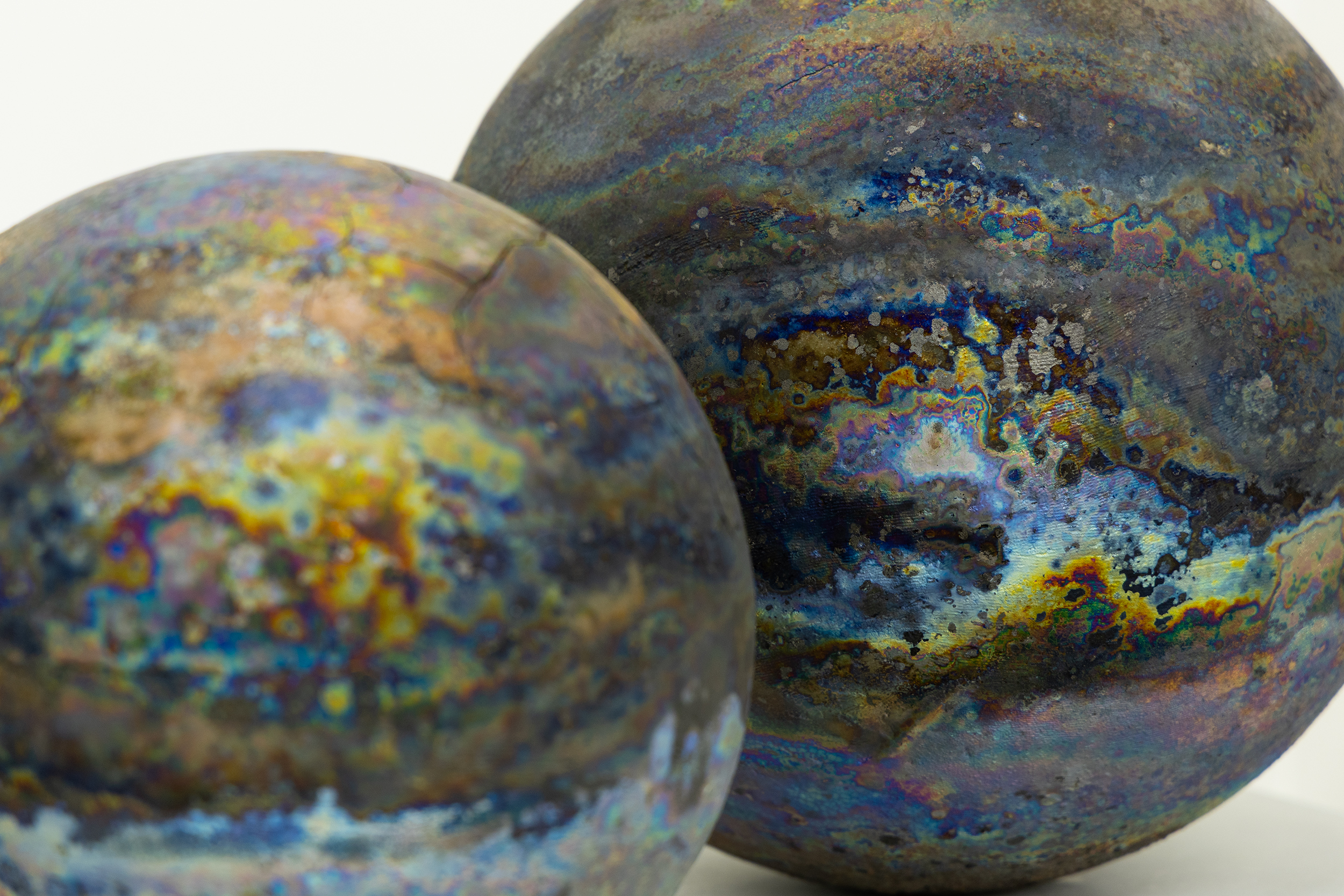
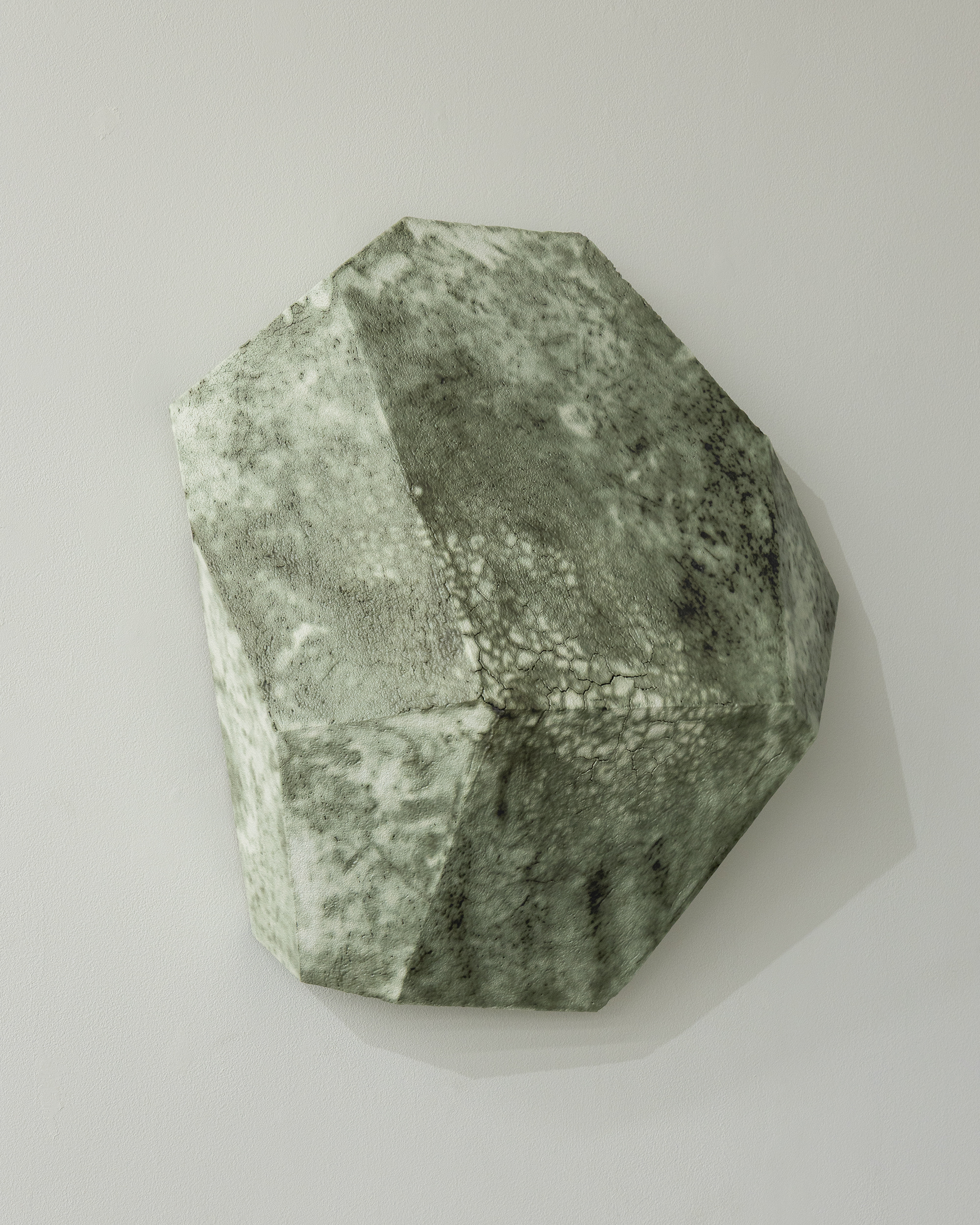
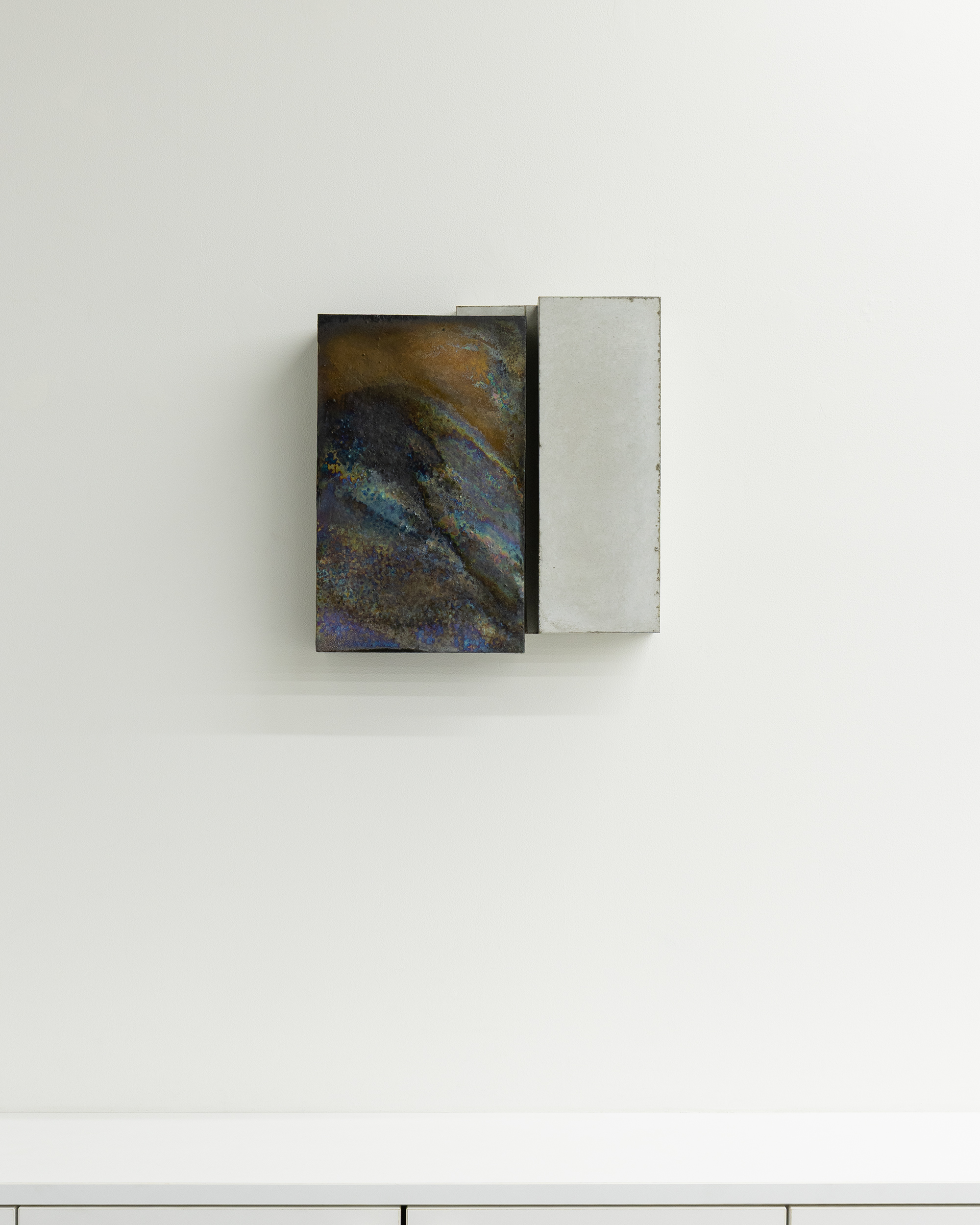
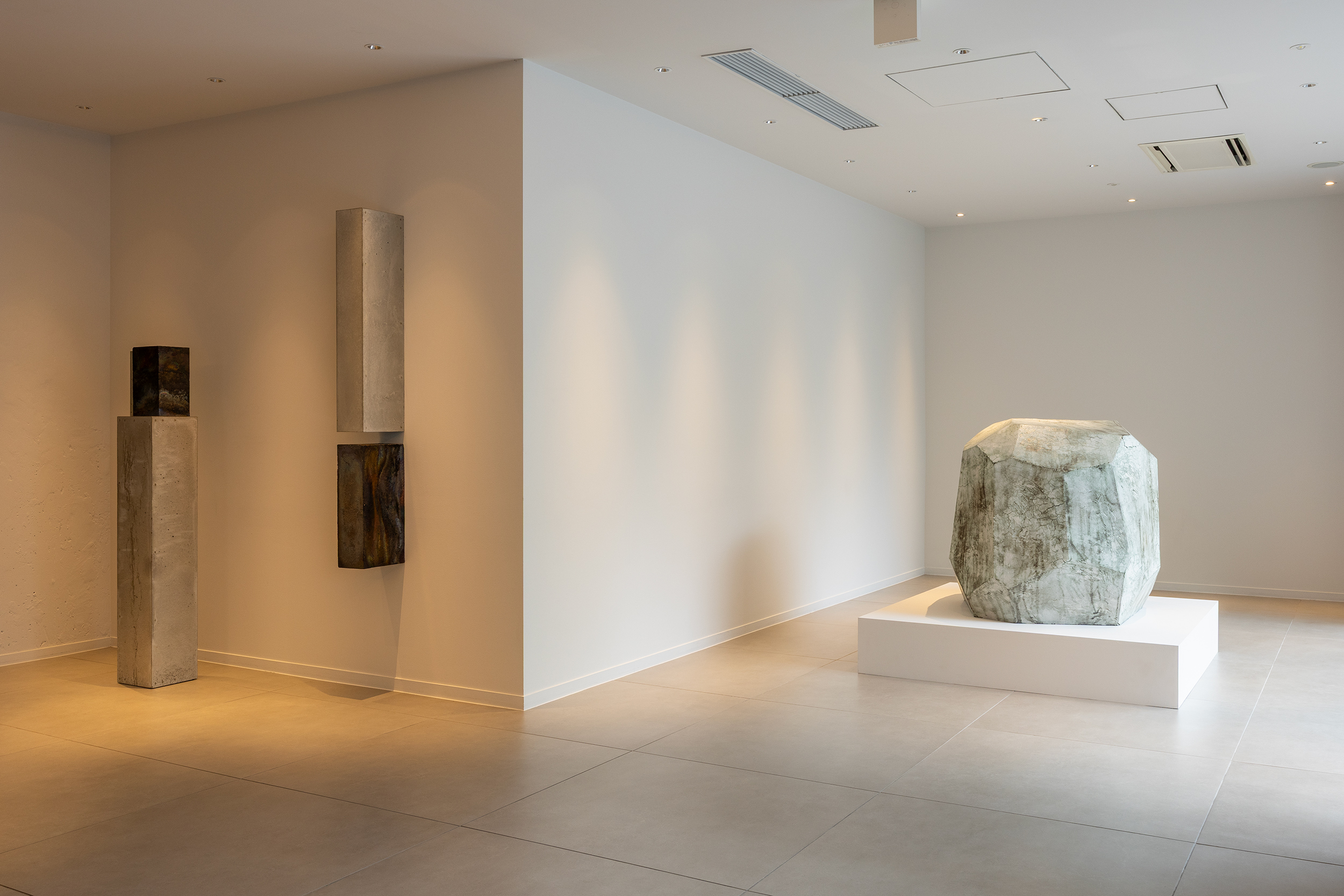
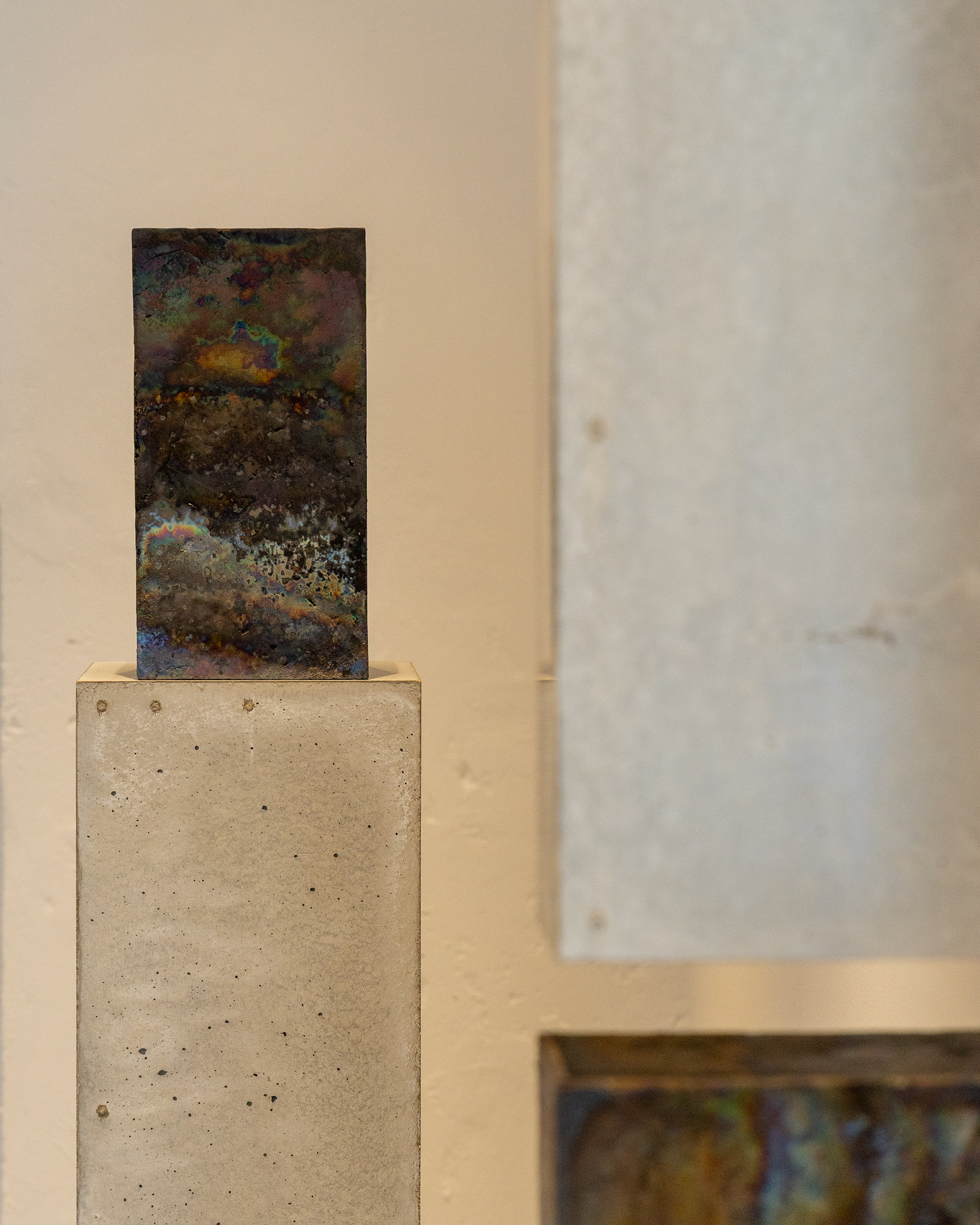
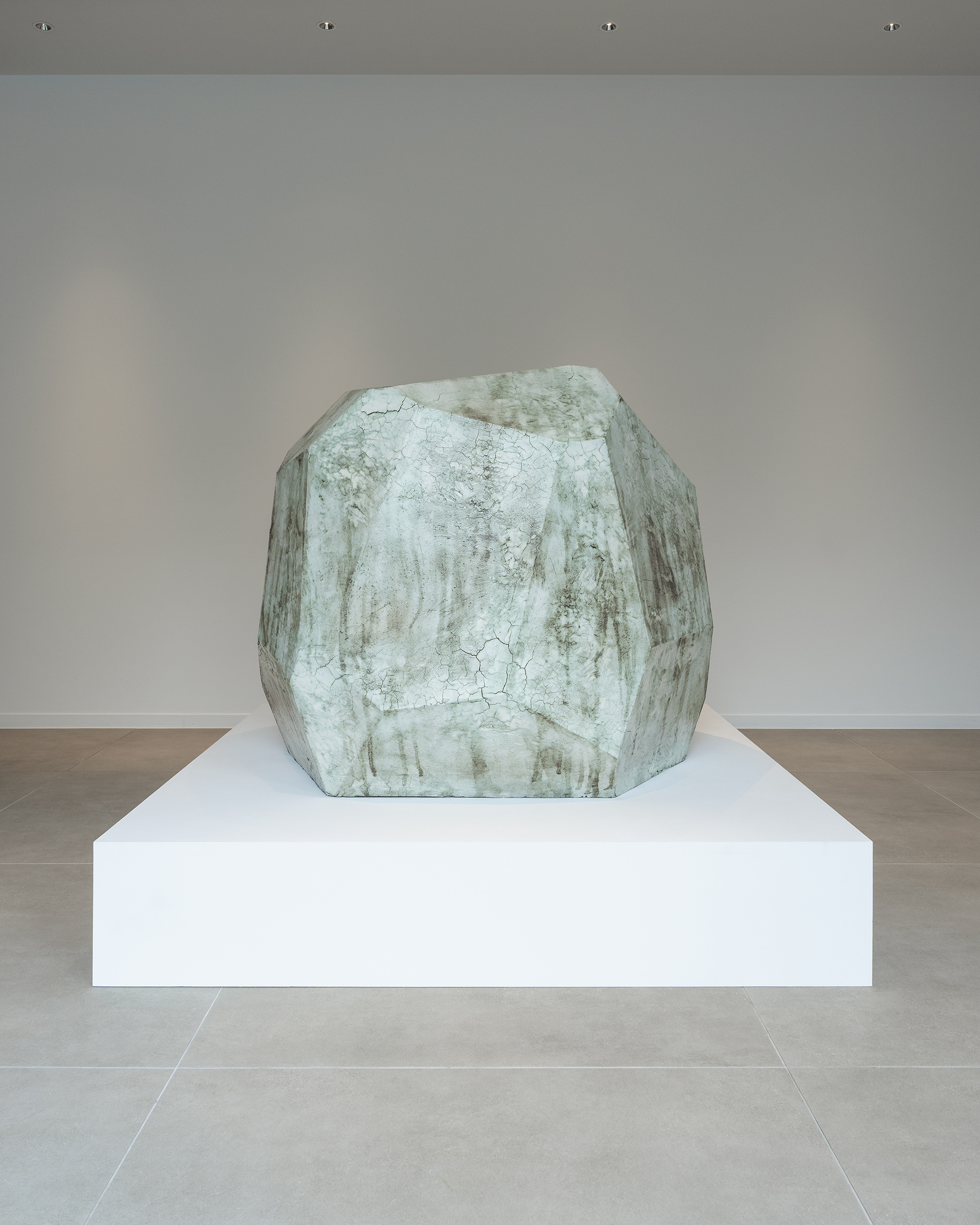
Photo credit: Kohei Omachi (W)
展覧会、各作家、作品等に関するお問い合わせはcontact@parceltokyo.jp までお願いいたします。
For further information regarding this exhibitions or the artists, artworks please contact us at contact@parceltokyo.jp
橋本 知成|Tomonari Hashimoto
橋本知成(1990年、和歌山)は、信楽を拠点に活動するアーティスト。2012年に、京都教育大学教育学部美術領域専攻を卒業。2014年、金沢美術工芸大学大学院工芸専攻陶磁コース修了。2017年に、金沢美術工芸大学大学院博士後期課程工芸研究領域陶磁分野を修了している。
橋本は空間自体を一つのインスタレーションとして捉え、2Mを超える長方体や、球体、などの幾何学的な情景を我々に見せる。
また、これまでにLOEWE Craft Prize、2019ファイナリスト、Kyoto Art for Tomorrow-京都府新鋭選抜展2019(産経新聞社賞)、神戸ビエンナーレ2015 現代陶芸コンペティション(準大賞)など受賞多数。 この他、ヴィクトリア&アルバートミュージアム、ロサンゼルス・カウンティ美術館、ロエベファウンデーション、カラマズー美術館、ヒューストン美術館などに収蔵されている。
Tomonari Hashimoto (b. 1990, Wakayamai) lives and works in Shigaraki. Graduated from the Department of Fine Arts at Kyoto University of Education in 2012. In 2014, he completed the Ceramic Arts Course in the Graduate School of Fine Arts at Kanazawa College of Art. In 2017, he completed the doctoral program in the Ceramic Arts field of the Graduate School of Fine Arts at Kanazawa College of Art.
Hashimoto perceives space itself as an installation, presenting us with geometric scenes such as rectangular forms exceeding 2 meters in length and spheres.
He has received numerous awards, including LOEWE Craft Prize 2019 finalist, the Sankei Newspaper Prize at Kyoto Art for Tomorrow – Kyoto Prefecture Selected New Artists 2019, and the Runner-up Prize at the Kobe Biennale 2015 Contemporary Ceramics Competition. His work is in the collections of the Victoria and Albert Museum, the Los Angeles County Museum of Art, the Loewe Foundation, the Kalamazoo Institute of Arts, and the Houston Museum of Art and others.