Exhibition

Past
2026
06.27Sat
07.26Sun
parcel / CON_
Open on Wed - Sun
14:00 - 19:00
Closed on Mon, Tue, National Holidays
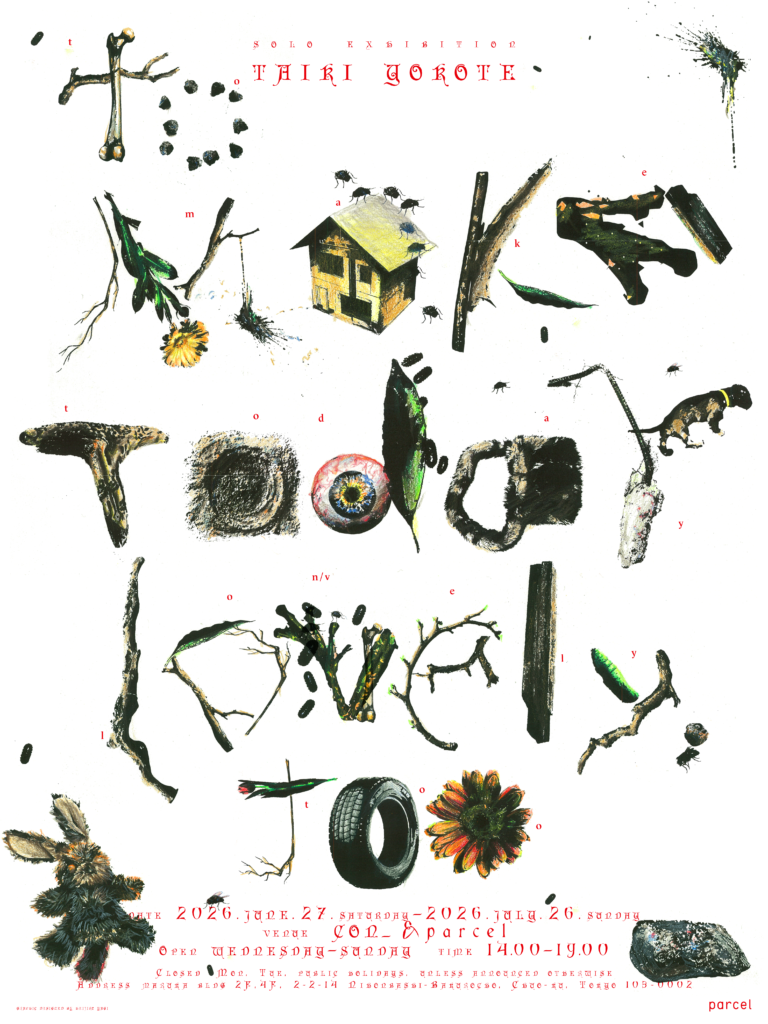
to make today lovely, too /
to make today lonely, too
横手太紀|Taiki Yokote
details - JP
CON_とparcelは、共同展として横手太紀の個展「to make today lovely, too / to make today lonely, too」を開催いたします。
横手は、日常のなかで名前のない存在や見過ごされた時間に目を向け、動きをもたせた彫刻やインスタレーション、映像、写真などを通じて、その背後に潜む見えない物語を浮かび上がらせてきました。本展では、parcel(2F)に「to make today lovely, too」、CON_(4F)に「to make today lonely, too」と、一字だけを違える二つのタイトルを掲げ、同じ形をもつ空間に対照的な経験を立ち上げる、新作による2会場個展を展開いたします。
見えないものは、見えないがゆえに想像のなかで肥大する。実際には起きていない出来事、まだ訪れていない不安が、妄想によって現実と見分けがたい強度を帯びはじめる——横手太紀の関心は、この妄想と現実のあわいに置かれています。横手はこれまで、捉えきれない存在や事象に目を凝らし、本来動かないはずの瓦礫やシートにわずかな運動を、埃には星のような光を、傷跡には不在の存在を見出すことで、生命のような気配を与えてきました。モノは語らない。ただ、言葉の手前の周波数で微かに震え、解読を拒みながらこちらを見返してくる。
本展は、輪郭を同じくする二つの場へと引き延ばされます。parcelでは「to make today lovely, too」、CON_では「to make today lonely, too」——一字だけを違える名のもとに、同じ形をした空間が、まったく異なる相貌を帯びていきます。lovely と lonely。愛おしさと寂しさ、安堵と不安は、別々の感情ではなく、同じ一日の表と裏でもあります。同じものが視点ひとつで反転するという両義性は、展示空間の内にとどまらない。それは、私たちが世界をどう眺め、何と名づけ、いかなる関係を結ぶのかという問いそのものへと、静かに差し出されるのです。
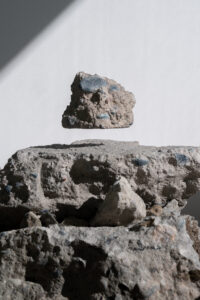
Taiki Yokote_Moku/ Floating Rubble (when the cat’s away, the mice will play), 2025_photo by Jungwoo Lee Courtesy of Artist, WWNN and CON_ photo by Jungwoo Lee
アニマのダンス、あるいは、その荷物を背負うとき
—— 横手太紀個展へ寄せる予兆
宮澤佳奈横手太紀の作品を目の前にするとき、私たちは知らず知らずのうちに、「アニマ」と対峙している。
ラテン語の「アニマ(anima)」は、呼吸や空気、ひいては魂や生命を意味する名詞である。その語源には「命を与える」「生き返らせる」という意味の動詞「animare」があり、今日の「animal(動物)」や「animation(生命や動きを吹き込むこと、アニメーション映像)」といった馴染み深い英単語にも連なっている。
うねりを帯びて動き続けるブルーシート、自転車カバー、ビニール袋といった日用品たち。地面から数センチ宙に浮き、一定のスピードで回転し続けるコンクリート片や、ピザの箱、ハンバーガーの包み紙。横手の作品ではしばしば、生活に身近なモノが通常ではあり得ない振る舞いで動く。前者がより有機的で、あたかも新たな生命体かのような動きを持つのに対して、後者は重力への抵抗と回転という、より明瞭で機械的な動きを持っている。しかしこうした差異にかかわらず、私たちの多くは、これらのモノがたんに動かされているのではなく、おのずと動いていると感じるのではないだろうか。これらを、「アニメイテッド・オブジェクト」——すなわちアニマを吹き込まれたモノ——として捉えてみたい。私たちがモノをそのように見るに至る条件は、横手作品の魅力と密接に繋がっている。
その理由の一つには、メカニズムや動力源の不可視化が考えられる。「うねり」の作品においては、内部に何らかの機器があることは推測できても、その複雑な動きの動力は容易には把握できない。「浮く」作品では、モノが重力に抗うだけでなく回転を続けるメカニズムが、地面からの切断によってさらに巧妙に不可視化されている。しかし同時に、具体的な機構や技術的な難易度は、作品の背景情報へと押しやられていく。ここで前景化されているのは、私たちが普段モノに関連付けている「そのものらしさ」——コンクリートの塊は地面に落ちているべきであるとか、ブルーシートはひとりでに動かないはずである、といった固有性——が裏切られる感覚だからである。
横手の作品におけるモノから「アニメイテッド・オブジェクト」への変容において、「表皮」も興味深い要素である。初期の「浮く」作品に登場する食べ物の容器や包み紙は、私たちが生活の中で触れる表皮の最も身近な例である。同時に、2021年頃から見られるコンクリート片などの建築物の瓦礫もまた、私たちを取り囲んでいた建築的な表皮の断片として捉えることができる。
クリスト(1935-2020)は1950年代後半から1960年代に、ターポリン防水布やキャンバス地でさまざまなオブジェを梱包したり覆う作品を発表した*1。これらの作品においては、オブジェが、新たな表皮による機能の喪失や形態の変容により、逆説的な存在感を得る、という解釈がある*2。他のモノを覆ったり入れたりするという用途や、中身が見えない不透明性において、クリストのターポリンと横手の自動車カバーやブルーシートは類似している。しかし横手の作品の場合、日常での表皮としての用途とは異なる造形、そして動きによって、中身に代わって表皮そのものが「人格*3」とでも言うべき新たな在り方へと変容していると言える。
つまり横手の作品において、モノは「動き」によって、私たちが通常それに結びつけている固有性から逸脱するだけではない。普段は何かの外側や覆いとして認識されるモノが、もはや何かを包むためではなく、特異性を持った「そのもの」として動き出すという、二重の変容を起こしているのである。
表皮は、横手の作品におけるもう一つの「アニマ」——すなわち「animal(動物)」——とも接続している。横手の作品にはこれまでしばしば、動物の毛皮そのもの*4に加え、フェイクファーや毛足の長い布地など、動物の表皮を想起させるモノが登場してきた。また親密な他者としての「動物的さ」は、名前や痕跡、空間に漂う微細な物質を通じても現れる。横手は「浮く」作品に登場する小さなコンクリート片の一つひとつに、友人たちが飼う動物の名前を与えてきた。また大学院修了展で発表した作品では、すでに居ない動物が家の壁に残した痕跡を精密にスキャンし、拡大して壁面に彫刻している。さらに複数の映像作品では、自身のアトリエなどに舞う埃を、夜空の星々のような煌めきとして撮影しているが、横手はその埃の中に、すでにいないペットの毛や人間の肌といった表皮も含まれていることを強調する。動くはずのないものが、モノとしての固有性を裏切って動くときにアニメイテッド・オブジェクトになるとすれば、こうした動物を扱った作品は、そもそもの「固有性」の前提にある生物と無生物という二項対立そのものへ疑問を呈していると言えるのかもしれない。
匿名的で交換可能なモノに動きと名前を与えること。横手の作品において、それはモノを擬似的に生命化するための操作ではなく、新たな関係を結び直すための契機である*5。そこでは、アニマはモノの内部に宿るものではなく、モノの振る舞いの変容と、私たちの認知が呼応し合う、いわば異なるものたち同士のダンスとして現れている。
***
馬喰町にある同じビル内の二つのギャラリーで、横手太紀の個展が開催される。ほぼ同じ間取りと面積を持つ二つの会場には、それぞれ「to make today lovely, too」(parcel)と「to make today lonely, too」(CON_)という、わずか一文字だけを違えたタイトルが与えられている。lovely と lonely。すばらしい今日と、孤独な今日。それは、横手の作品におけるアニメイテッド・オブジェクトの両義性を連想させる。すなわち、身近なモノと新たな関係を結ぶことの喜びと、その同じ変容がもたらす不穏さや恐怖である。
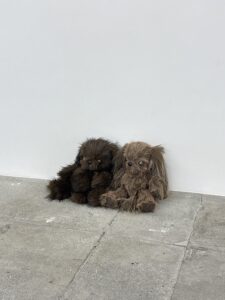
横手はこれまで、動物の毛皮やフェイクファー、動物の痕跡といった要素を本来の文脈からずらすことで、モノと動物、生物と無生物の境界を揺さぶってきた。本展では、彼がかつて飼っていた犬をモチーフとしたぬいぐるみの作品が発表されるという。ぬいぐるみは動物を模したかたちでありながら、すでに愛着や感情移入の対象となるモノであり、同時に商品としての性格も持つ。その既存の親密さは、本展の中でどのように展開されるのだろうか。
また、二つの会場をつなぐ存在として構想されているのが、使用済みのかばんを用いた動く作品である。かばんは、身体の延長として持ち主の生活の痕跡を引き受ける一方で、使われなくなった瞬間に、ただのモノへと戻ってしまう。ここでかばんは、身体に背負われる物理的な荷物であると同時に、「エモーショナル・バゲッジ」——精神的負荷の重さ——でもあり、その中には、展覧会のタイトルにあるような希望も絶望も入っているのかもしれない。私たちは日々、誰かの幸福と、世界のどこかで個別の生が失われているという絶望のシグナルを、交互に、絶え間なく受け取っている。その反復の中で、自分ではないもの、完全には理解できない他者、すでに失われたかもしれない生に対して、どのように向き合うのかを選び続けなければならない。
「背負う」という行為は、荷物を運ぶことにとどまらない。それは、自分の外側にある存在と関わるための責任や勇気を、重さや不安を伴ったまま引き受けることでもある。アニマとは、生命そのものではなく、モノや動物や記憶が、人間の理解を少しだけ外れたところでこちらを見返してくるような連関である。この個展は、まだ見ぬ新作群を通して、どのようなアニマのダンスが踊られ、そして私たちにどのような荷物が手渡されるのかを目撃する場となるだろう。
*1: Christo and Jeanne-Claude, “Packages and Wrapped Objects,” Christo and Jeanne-Claude Foundation, https://christojeanneclaude.net/artworks/packages-and-wrapped-objects/
*2: 富士栄厚『クリストとジャンヌ=クロードの環境彫刻』50頁。
*3: ここでいう「人格」や「固有性」は、エドゥアルド・コーン『森は考える——人間的なるものを超えた人類学』などにおける、人間以外の存在を、単なる客体ではなく、記号過程や関係性の中で意味を持つ存在として捉える人類学的議論に示唆を受けている。Eduardo Kohn, How Forests Think: Toward an Anthropology Beyond the Human, University of California Press, 2013.
*4: 横手は作品で動物の毛皮を用いるにあたり、事故等ですでに亡くなった動物のものを選んできたという。2026年5月6日、横手氏のスタジオでの筆者との会話より。
*5: 本稿における「アニマ」の理解は、新アニミズムの視点から、アニメーションを「単なる動きや生命の再現、もしくは付与」ではなく、モノの「反本質的」な変質現象として捉える洪愷均の議論に示唆を受けている。洪愷均「変質の美学——新アニミズムの視点からアニメーションの定義を再考する」『The Japanese Journal of Animation Studies』第24巻第1号、日本アニメーション学会、2023年、21–30頁。
Taiki Yokote_Left: Nameless Choco (A), 2026 Right: Nameless Choco (B), 2026
Courtesy of Artist and CON_
子どものころ、体調を崩すといつも道端の花が永遠に大きなトラックに轢かれる夢を見ていた。
ある日転校してきた子が、まったく同じ夢の話をしてきたことがある。
それが偶然か、似た経験から生まれたものだったのか、人間に共通する感覚なのか、それともまだ知らない、見えない力やつながりがあったのかは、いまもわからない。私たちは日々、答え合わせのできない出来事に囲まれている。
夢と現実のつながり、動物とのコミュニケーション、他人の記憶、未来のこと。
それらを想像によって補いながら、他者や世界を理解しようとしている。parcel
大量に並んだ同じぬいぐるみのなかから、自分と一緒に過ごす子を選ぶ。名前をつけ、性格を想像し、眠る場所を決める。
しかし時間や環境、偶然によって生まれるほつれや汚れ、意図しない落下や変形は、自分の想像の外側からやってくる。それらがぬいぐるみから発せられたものなのか、環境によってもたらされたものなのかはわからない。けれど、時間や経験の積み重ねは、目には見えないかたちでその存在の内側を変化させ、大量のひとつだったものを固有の存在へと変えていく。CON_
見えないものは、ときに自分の内側に引っ張られ想像のなかで肥大し、繰り返される。
壁の向こうの物音、窓の外の気配、どこから来たかわからない虫、覚えのない話、まだ訪れてない出来事。実際には存在しないかもしれない物事が、現実と見分けがたい強度を帯びはじめる。反復される妄想は大きさを変化させながら、想像から流れ出し、現実に影響してくる。
想像したものが容易に生成される現在においても、感情や記憶、時間や経験の蓄積から生まれるイメージには、それらとは異なる強度がある。
愛おしさと寂しさ、共同体と個、現在と記憶、現実と想像。それらは別々の物語ではなく、ひとつのかたちの異なる見え方なのかもしれない。同じ点の集まりが群れにも見え、星座にも見え、終わりのない輪にも見えるように。その見えない部分や触れられない部分を理解したいという気持ちやそのあいだで生まれる想像の積み重ねは、ときに妄想へと変化しながら、掴めないもののなかにたしかな体温を感じる瞬間を生み出している。
何度も見た夢の中で繰り返し踏まれていた花も、同じ映像がループしていたのではなく、踏まれるたびに別の物語をまといながら、わずかに形を変えていたのかもしれない。
それは永遠に傷つけられていたのではなく、やさしい力に支えられるように立ち上がり、見えないどこかで別の時間や存在とつながっていたのかもしれない。– 横手 太紀
details - EN
CON_ and parcel are pleased to co-host to make today lovely, too / to make today lonely, too, a two-venue solo exhibition by Taiki Yokote.
Yokote has long focused on nameless presences and overlooked moments within the everyday, bringing to the surface the invisible stories that lie within them through kinetic sculpture, installation, video, and photography. In this exhibition, two venues take on a single letter of difference in their titles: to make today lovely, too; at parcel (2F) and to make today lonely, too at CON_ (4F). Yokote presents new works spread across two venues, together offering contrasting experiences within two spaces sharing the same building footprint.
It is precisely what cannot be seen that grows most vivid in the imagination. Through delusion, events that never occurred and anticipatory anxieties begin to feel indistinguishable from reality. Yokote’s practice hovers in the liminal space between delusion and reality. In his previous works, Yokote has turned his gaze toward existences and phenomena that most eyes would pass over, giving faint movement to inanimate rubble and tarps, finding starlike light in dust, and giving scars the lingering presence of what is lost. Each carries the faint breath of life. Objects do not speak. They tremble faintly at a frequency that precedes language. Refusing to be understood, while returning our gaze.
This exhibition unfolds across two spaces of the same building footprint. to make today lovely, too at parcel, to make today lonely, too at CON_, titles that take on a single letter of difference in their title, two spaces of identical volume take on entirely different faces. Lovely and lonely. Tenderness and loneliness, relief and anxiety are not separate emotions but two sides of the same day. The ambiguity of something inverting with a single change in perspective is not confined to the gallery space. It quietly reaches outward, toward the question of how we look at the world, what we call things, and what we choose to connect with.
Anima’s Dance, or, When That Burden Is Yours to Carry
—— A Prelude for Taiki Yokote’s Solo Exhibition
Kana MiyazawaStanding before the works of Taiki Yokote, we find ourselves face to face with anima, without quite realizing it.
The Latin word anima is a noun meaning breath, air, and by extension, soul and life. Its etymological root is the verb animare, meaning ‘to give life’ or ‘to bring back to life.’ From this same root derive familiar English words such as ‘animal’ and ‘animation’ (the act of bringing life and movement, or animated film).
Blue tarps, bicycle covers, and plastic bags that undulate and move ceaselessly. Fragments of concrete, pizza boxes, and burger wrappers that hover centimeters above the ground, spinning at a constant speed. In Yokote’s works, familiar objects from everyday life move in ways that would not ordinarily be possible. While the former carry an organic quality of movement, as though they were new forms of life, the latter exhibit a clearer, more mechanical motion of resistance against gravity and rotation. Yet despite these differences, most of us feel that these objects are not merely being moved, but moving of their own accord. I would like to consider these as “animated objects,” objects into which anima has been breathed. The conditions under which we come to see objects this way are intimately bound to the appeal of Yokote’s work.
One reason for this lies in the invisibility of the mechanism and its power source. In the ‘undulating’ works, while one can infer that some kind of device exists within, what drives the complex movement remains out of reach. In the ‘floating’ works, how these objects defy gravity and keep rotating is made all the more invisible by the fact that they are cut off from the ground entirely. Yet the specific mechanism and its technical complexity fall out of focus, fading into the background. What comes to the fore instead is a sense of betrayal. The feeling that the ’inherent nature’ we ordinarily associate with things is overturned: the idea that a lump of concrete should stay fixed on the ground, that a blue tarp cannot move by itself.
‘Surface / skin’ is another important dimension in the transformation from object to “animated object” in Yokote’s work. The food packaging and wrappers that appear in his early “floating” works are among the most familiar examples of surfaces that we encounter in daily life. At the same time, concrete debris and other fragments from construction rubble that begin to appear around 2021 can also be perceived as fragments of the architectural skin that once surrounded us.
Christo (1935–2020) presented works from the late 1950s through the 1960s featuring various objects wrapped or covered in tarpaulin and canvas.*1 In one interpretation, objects take on a paradoxical presence through the loss of function and transformation of form, brought about by the new surface.*2 In terms of their use as coverings or vessels for other things, and in their opacity that conceals what lies within, Christo’s tarpaulin and Yokote’s car covers and blue tarps share a resemblance. However, in Yokote’s case, the surface takes on forms and movements that differ from its everyday function as a covering. Freed from that role, the surface itself transforms into what might be called a new mode of being, what we might call a ‘persona.’*3
In Yokote’s works, ‘movement’ does not merely liberate objects from the specific quality we ordinarily associate with them. Objects that we once recognized only as outer coverings begin to move, not to wrap or contain, but simply to exist as themselves. The transformation is twofold.
Surface connects to yet another anima in Yokote’s work: ‘animal.’ Throughout his practice, Yokote has frequently incorporated animal fur,*4 as well as faux fur and fuzzy fabrics that call to mind the animal skin. The ‘animal-ness’ of the familiar other also appears through names, traces, and the minute particles that drift through space. In his ‘floating’ works, Yokote has given each small concrete fragment the names of his friends’ pets. In a work presented at his master’s graduate thesis exhibition, he painstakingly scanned the traces left on the walls of a house by animals that no longer inhabit there, enlarged and carved into a wall. In several video works, he films dust floating in his studio and elsewhere, capturing it with the shimmering quality of stars in a night sky. Yokote is keen to point out that the dust contains the hair of pets who have passed away and fragments of human skin: surfaces that were once part of living bodies. When an inanimate object begins to move, defying its specific quality as an object, it becomes an animated object. These works involving animals push this logic further, casting doubt on the dichotomy between the living and the non-living that underlies our notion of specific quality altogether.
In Yokote’s work, giving movement and names to anonymous, replaceable objects is not about imitating life, but open ground for forming new relationships.*5 Anima is not something that dwells inside objects. Rather, it emerges in the space between: a dance between different things, where an object’s behavior transforms, our perception is called forth to respond in turn.
***
Taiki Yokote’s solo exhibition will be held across two galleries in the same building in Bakurocho. The two venues, which share almost identical floor plans and space, bear titles separated by a single letter: “to make today lovely, too” (parcel) and “to make today lonely, too” (CON_). Lovely and lonely. A wonderful day and a lonesome day. This resonates with the ambiguity that runs through Yokote’s animated objects. The joy from transformation that allows new relationships with familiar objects, and the unease and fear fostered by the very same transformation.
Throughout his practice, Yokote has challenged the boundaries between objects and animals, the living and the non-living, by examining elements such as animal fur, faux fur, and the traces of animals, and displacing them from their original contexts. In this exhibition, a work featuring stuffed animals based on a dog Yokote once kept will be presented. Stuffed animals hold the form of animals, inherently serving as objects of attachment and empathy, while also being commodities. How will this built-in intimacy unfold within this exhibition?
Linking the two venues is a kinetic work made from used bags, imagined as the connecting force between the two floors. A bag, as an extension of the body, carries the traces of its owner’s life. However, the moment it is no longer used, it reverts to being a mere object. The bag can simultaneously be understood as a physical load carried on the body and an “emotional baggage”: the weight of psychological burden. It carries, perhaps, both the hope and despair that the exhibition titles notes. Day after day, without pause, we receive alternating signals: someone’s happiness here, the despair of a life lost somewhere in the world elsewhere. Within that relentless repetition, we must continue to choose how we face what lies outside ourselves, the other we cannot fully understand, and the lives that may already have been lost.
‘Carrying’ is more than the physical act of transporting something. It means to shoulder the responsibility and find the courage to engage with what exists outside oneself, carrying the weight and anxiety that come with it. Anima is not life itself, but a constellation of relationality in which objects, animals, and memories look back at us from just outside the reach of human understanding. This exhibition, through previously unseen works, will be a place to witness what kind of dance anima performs — and what it leaves in our hands to carry.
*1: Christo and Jeanne-Claude, “Packages and Wrapped Objects,” Christo and Jeanne-Claude Foundation, https://christojeanneclaude.net/artworks/packages-and-wrapped-objects/
*2: Atsushi Fujie, Christo and Jeanne-Claude: Environmental Sculpture – “Freedom” “Love” and “Prime Time”, p. 50.
*3: The notions of “individuality” and “respondability” referred to here are informed by the anthropological discussions in Eduardo Kohn’s How Forests Think: Toward an Anthropology Beyond the Human (University of California Press, 2013), which considers non-human existences not as mere objects but as beings that hold meaning within semiotic processes and relationships.
*4: Yokote has said that in works using animal fur, he has chosen fur from animals that had already died in accidents or similar circumstances. From the author’s conversation with Yokote at his studio, May 6, 2026.
*5: The understanding of “anima” in this essay is informed by Hong Kaegyun’s discussion, which, from the perspective of new animism, considers animation not as “mere reproduction or attribution of movement or life” but as a phenomenon of “anti-essential” transformation of objects. Hong Kaegyun, “Aesthetics of Transformation: Reconsidering the Definition of Animation from the Perspective of New Animism,” The Japanese Journal of Animation Studies, Vol. 24, No. 1, Japan Society for Animation Studies, 2023, pp. 21–30.
When I was a child, whenever I became ill, I would always dream of a flower by the roadside being run over endlessly by a huge truck.
One day, a student transferred into my class and told me about having the exact same dream.
I still do not know whether it was a coincidence, whether it arose from similar experiences, whether it reflects something shared among all people, or whether there exists some unseen force or connection that we have yet to understand.Every day, we are surrounded by events for which there can be no definitive answer.
The relationship between dreams and reality, communication with animals, the memories of others, the future.
We try to understand other people and the world by filling these gaps with imagination.
parcel
From a shelf lined with countless identical stuffed animals, we choose one to spend our lives with. We give it a name, imagine its personality, and decide where it sleeps.
Yet loose threads, stains, accidental falls, and unexpected deformations—things brought about by time, environment, or chance—arrive from outside our imagination. Whether these changes originate from the stuffed animal itself or are imposed by its surroundings remains unknowable. Still, as time and experience accumulate, they invisibly transform something within its existence, turning what was once one among many into something singular.
CON_The unseen is sometimes pulled inward, swelling within the imagination and repeating itself.
Sounds coming from behind a wall, a presence felt outside a window, an insect whose origin is unknown, stories we do not remember hearing, events that have not yet taken place. Things that may not exist at all begin to acquire an intensity nearly indistinguishable from reality. Repeated fantasies shift in scale, spill out from imagination, and begin to shape the world we inhabit.
Even in an age when imagined images can be generated with ease, those born from emotion, memory, accumulated time, and lived experience possess a different kind of intensity.
Affection and loneliness, community and the individual, the present and memory, reality and imagination. Perhaps these are not separate narratives but different ways of seeing the same form, just as the same constellation of points can appear as a flock, a constellation, or an endless circle.The desire to understand what cannot be seen or touched, together with the layers of imagination that emerge in the process, sometimes transforms into fantasy. Yet it also creates fleeting moments in which we sense a tangible warmth within something that can never truly be grasped.
Perhaps the flower that was repeatedly run over in the dream I saw so many times was never simply trapped in the same looping image. Perhaps, with each impact, it carried a slightly different story and subtly changed its form.
Perhaps it was not endlessly being harmed, but instead kept rising again, upheld by a gentle force, remaining invisibly connected to another time, another place, or another existence.– Taiki Yokote
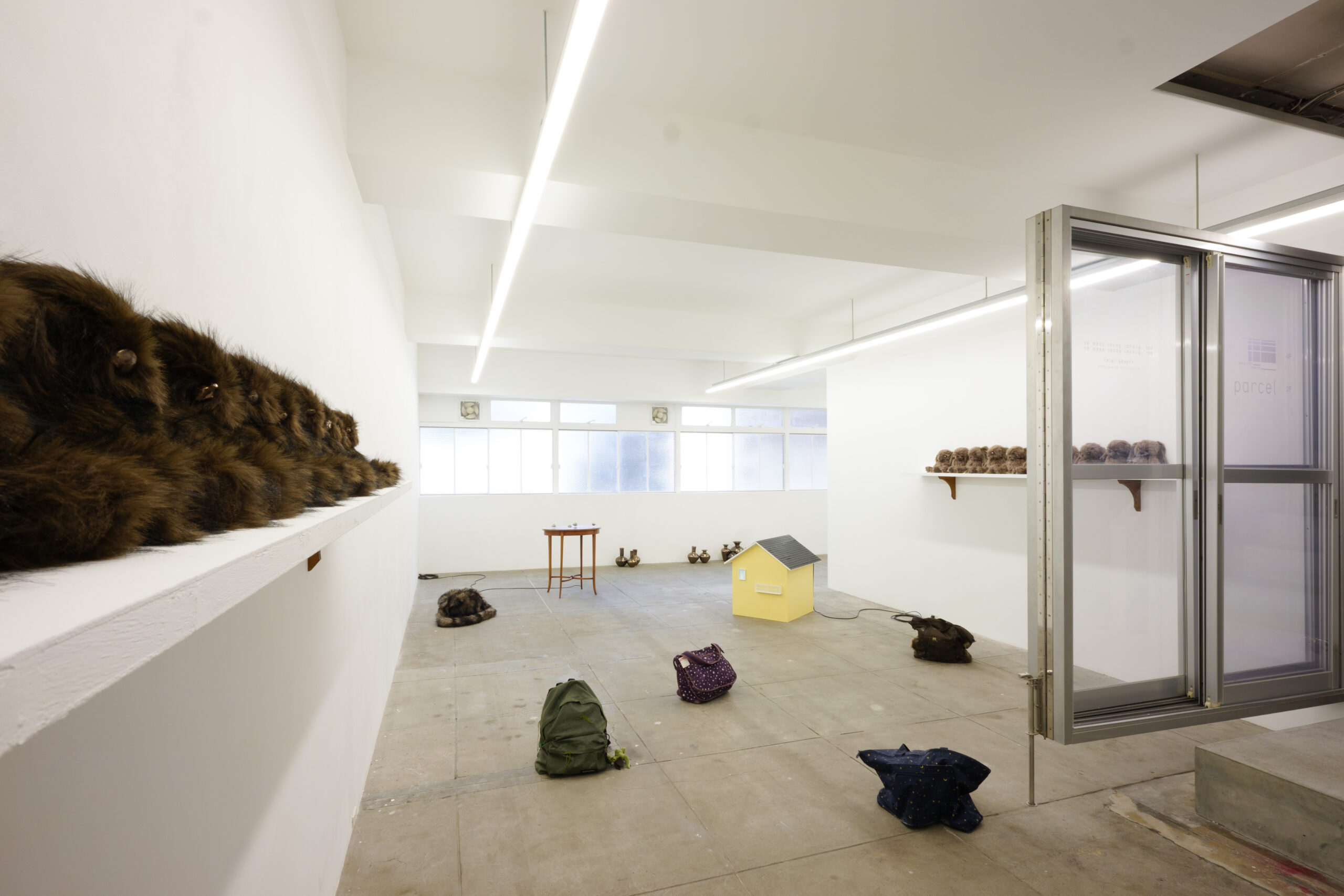


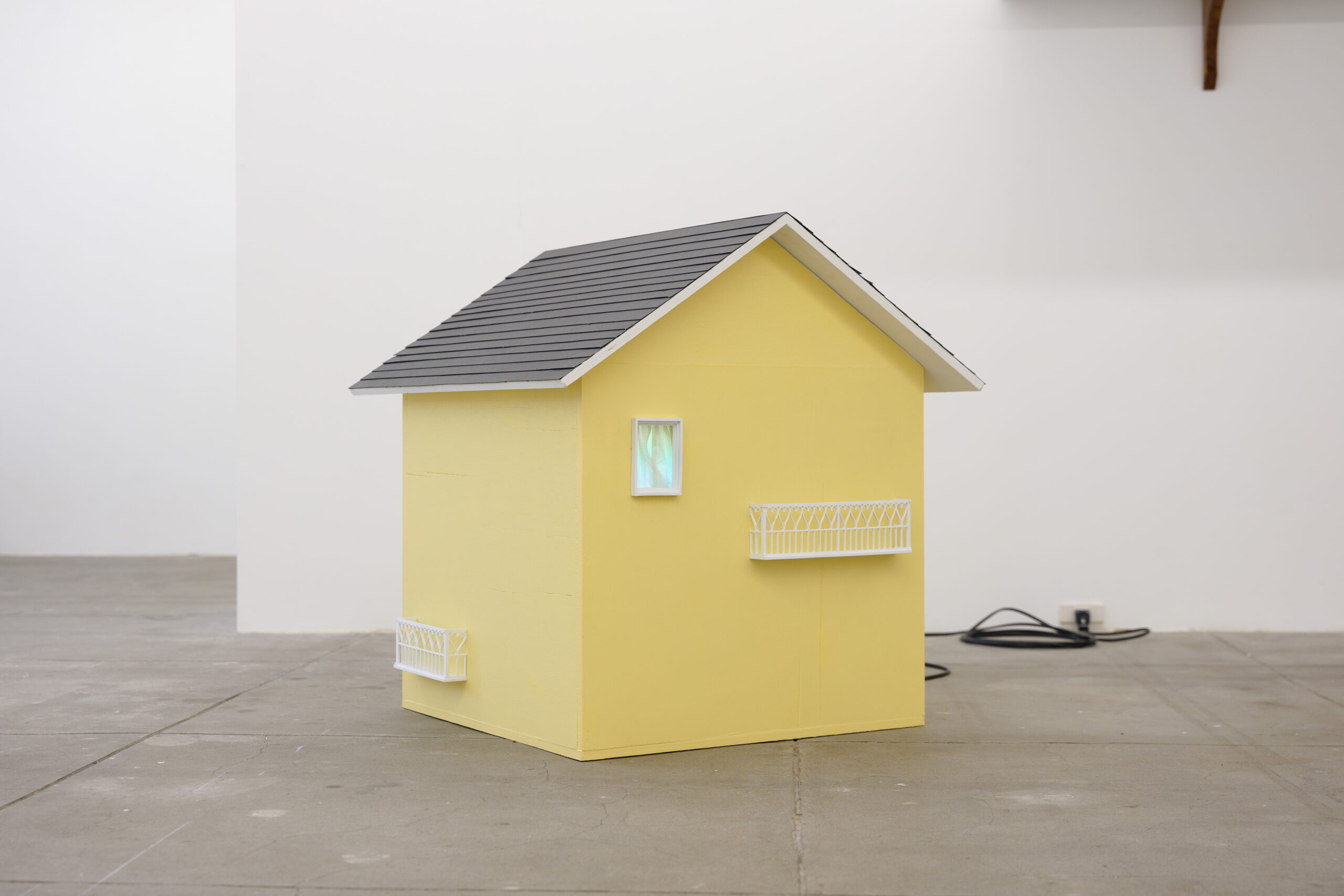
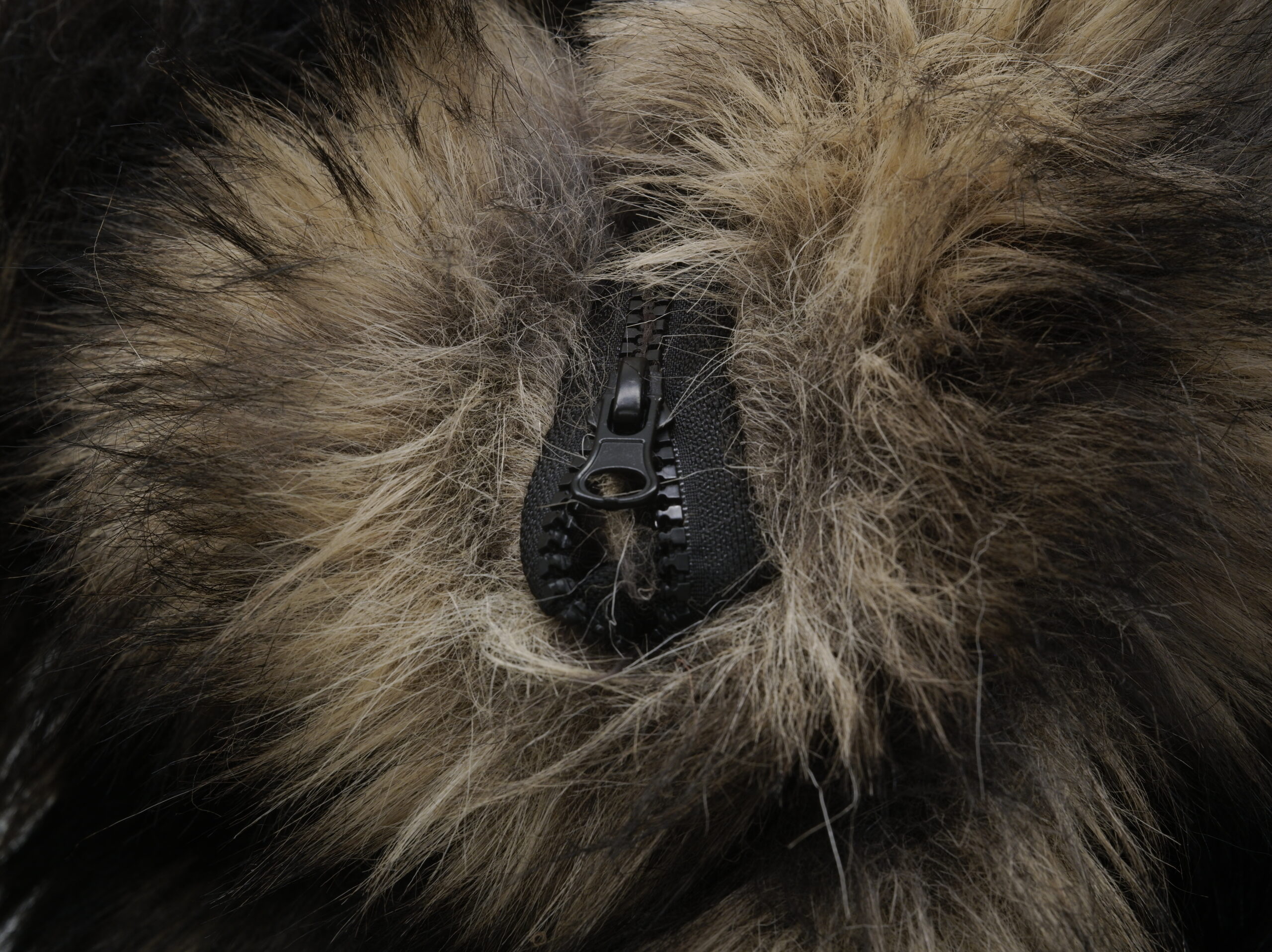
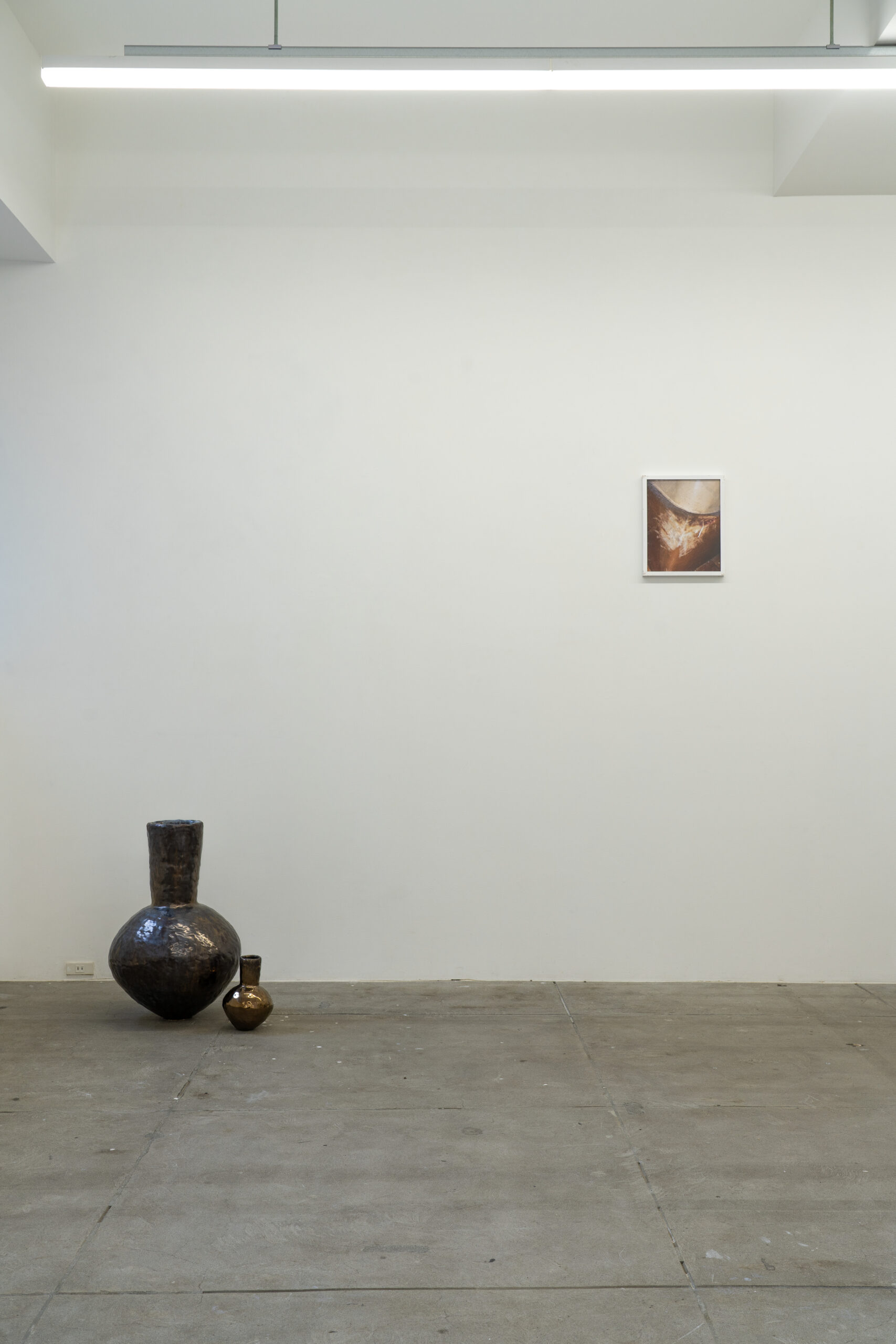
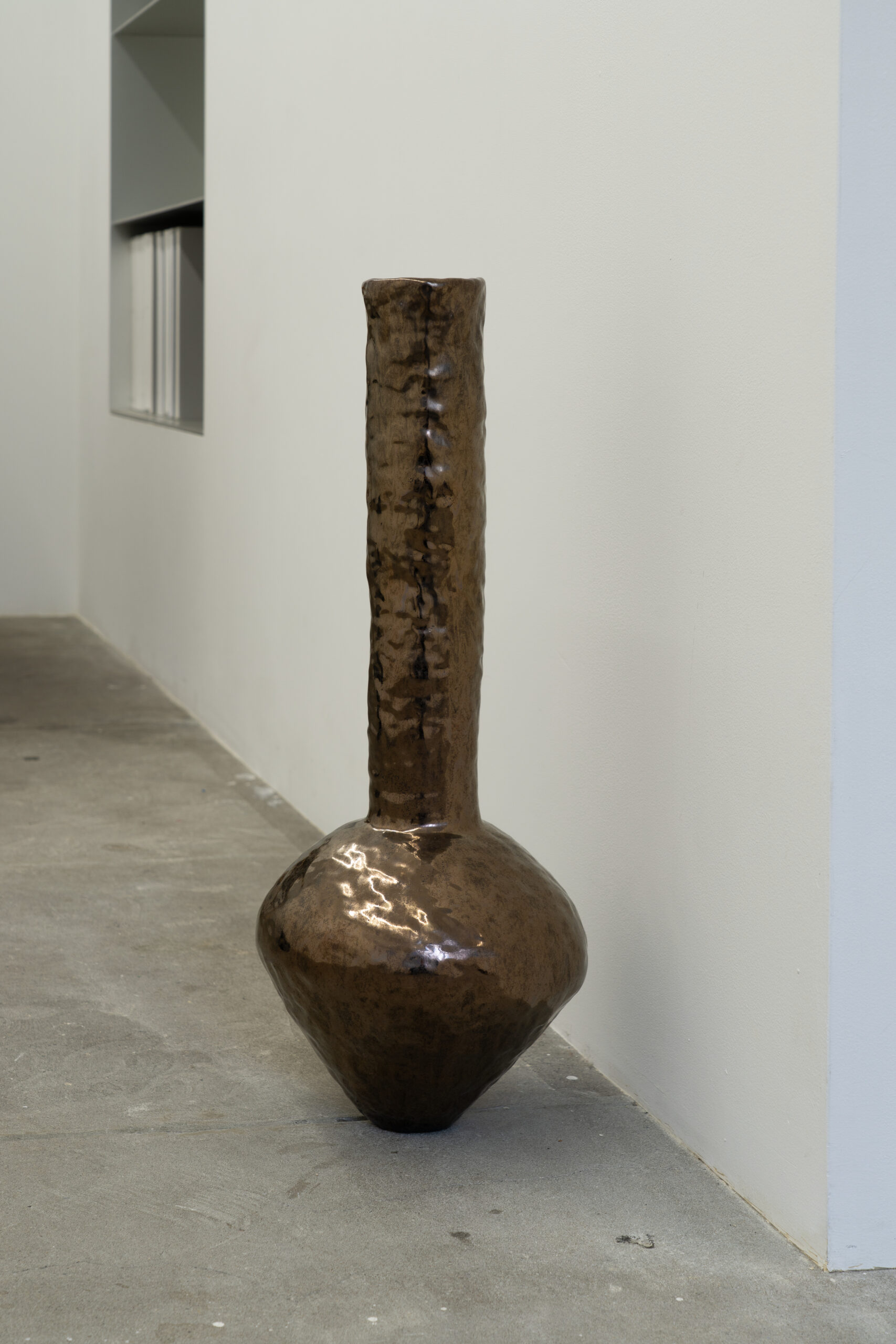
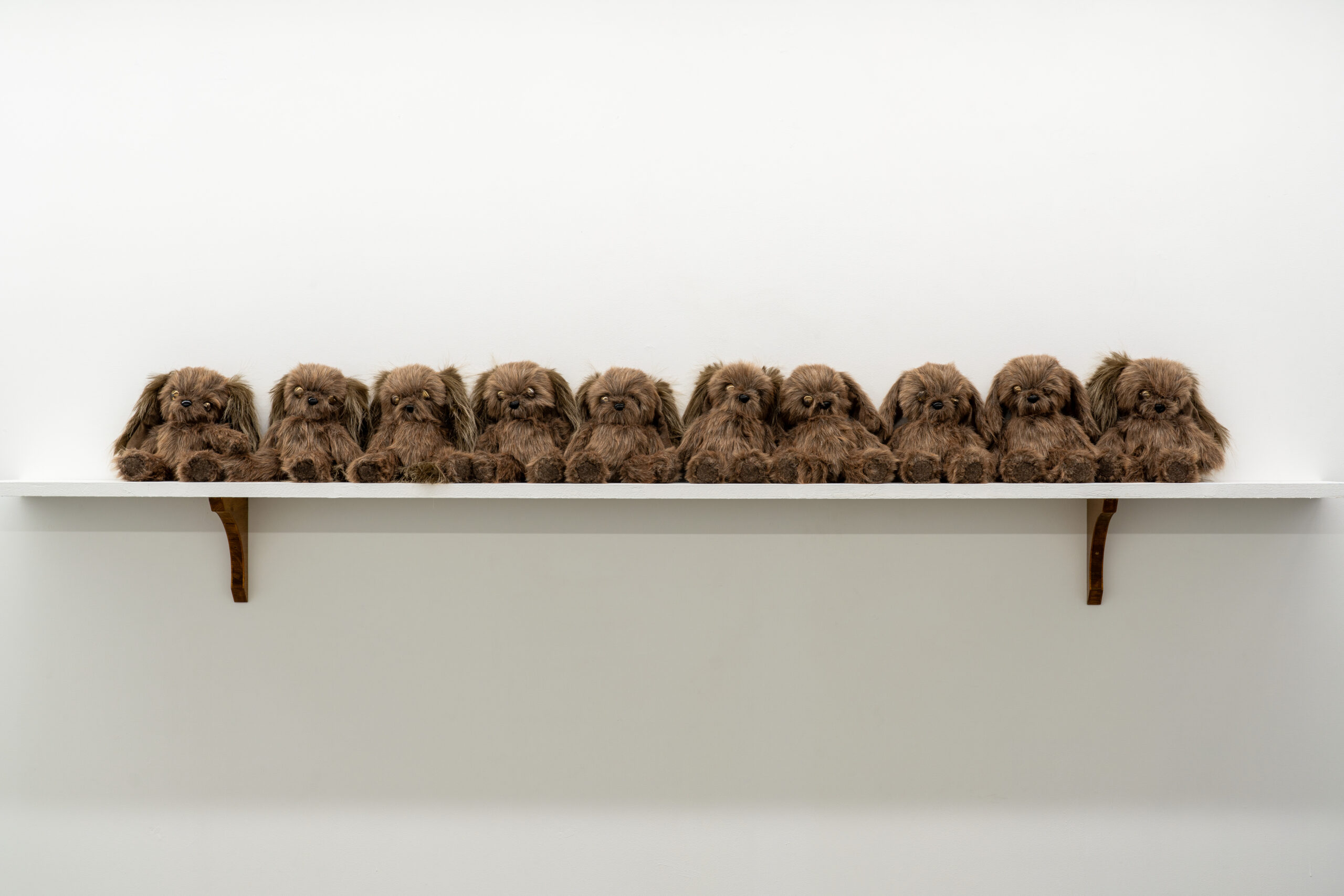
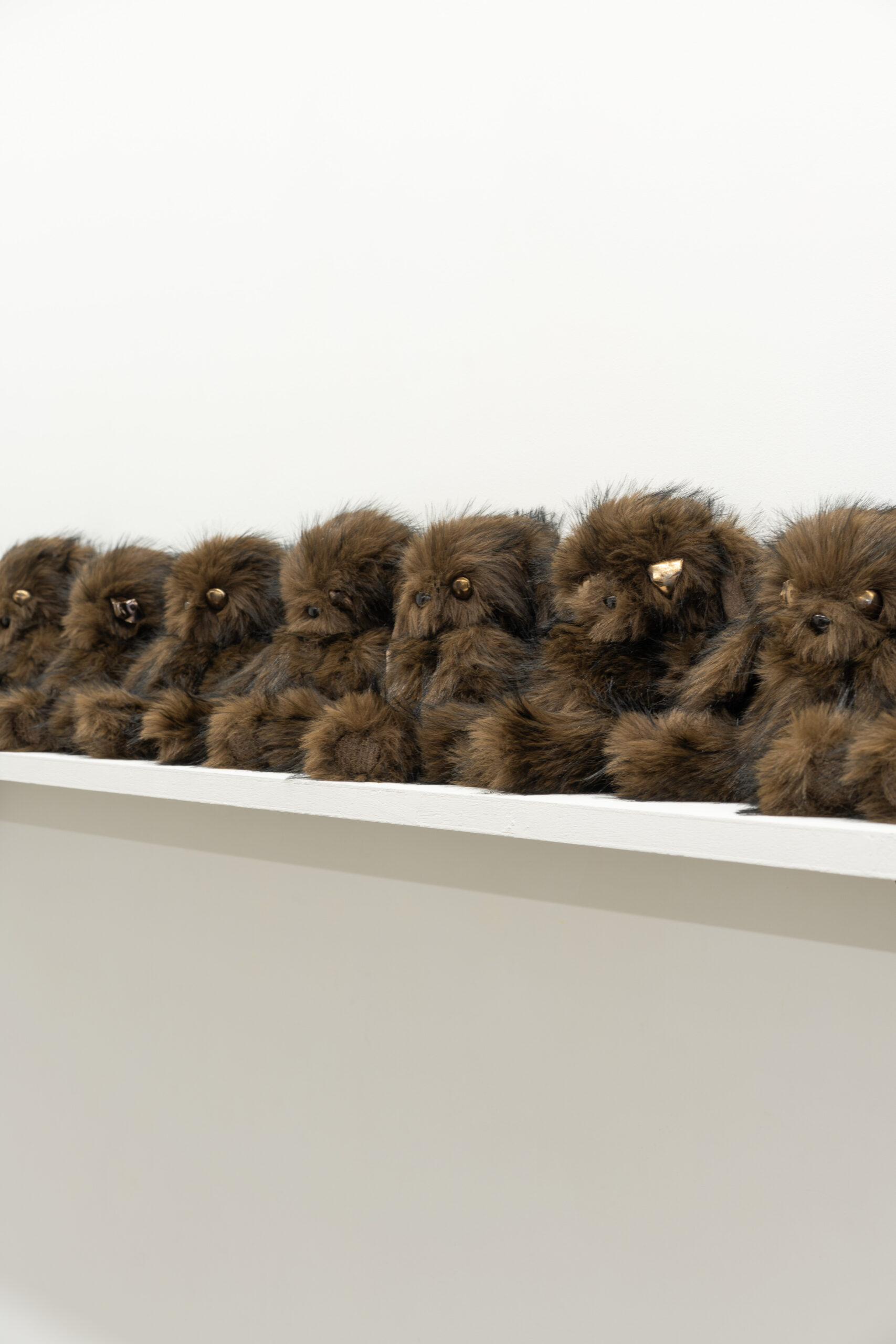

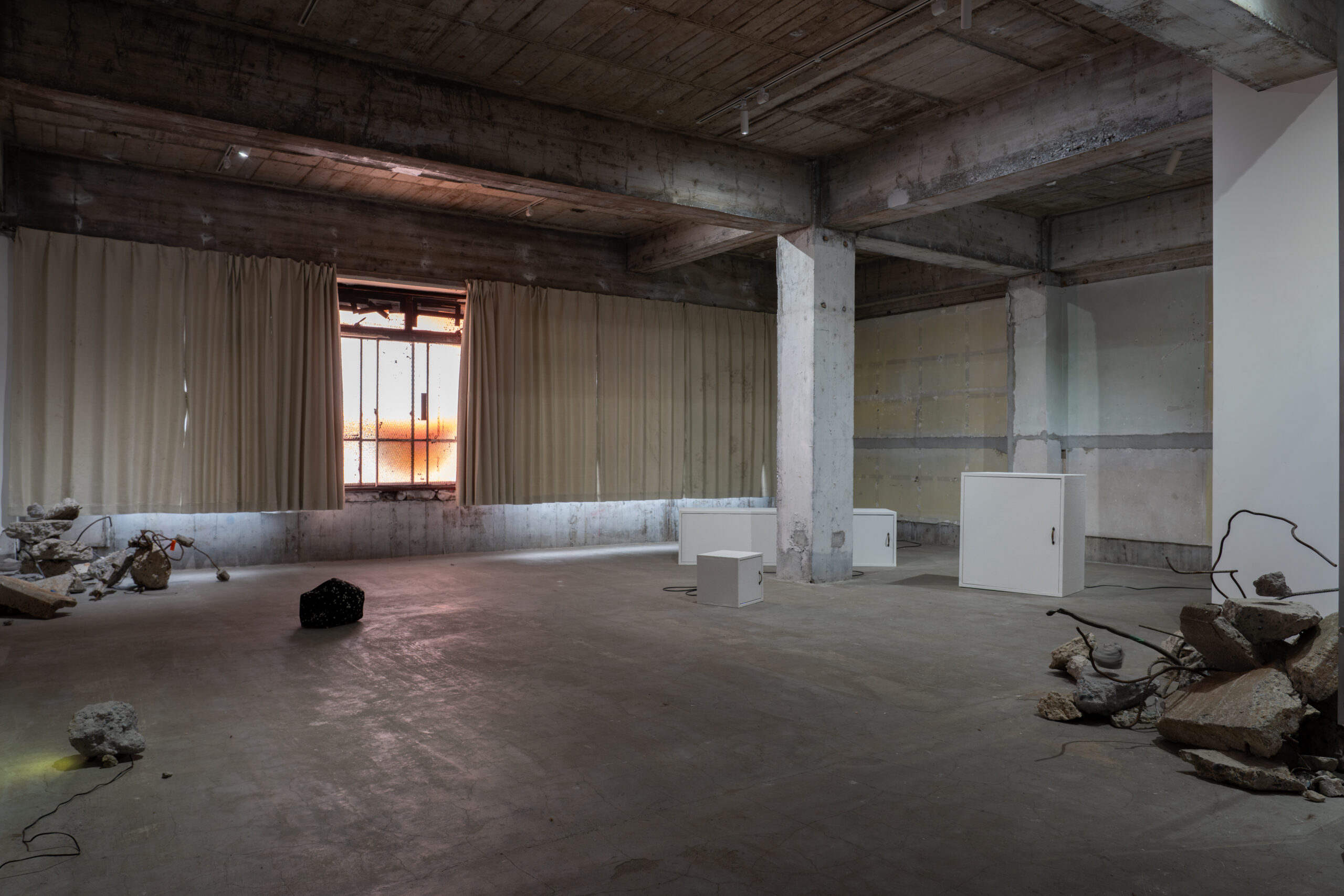
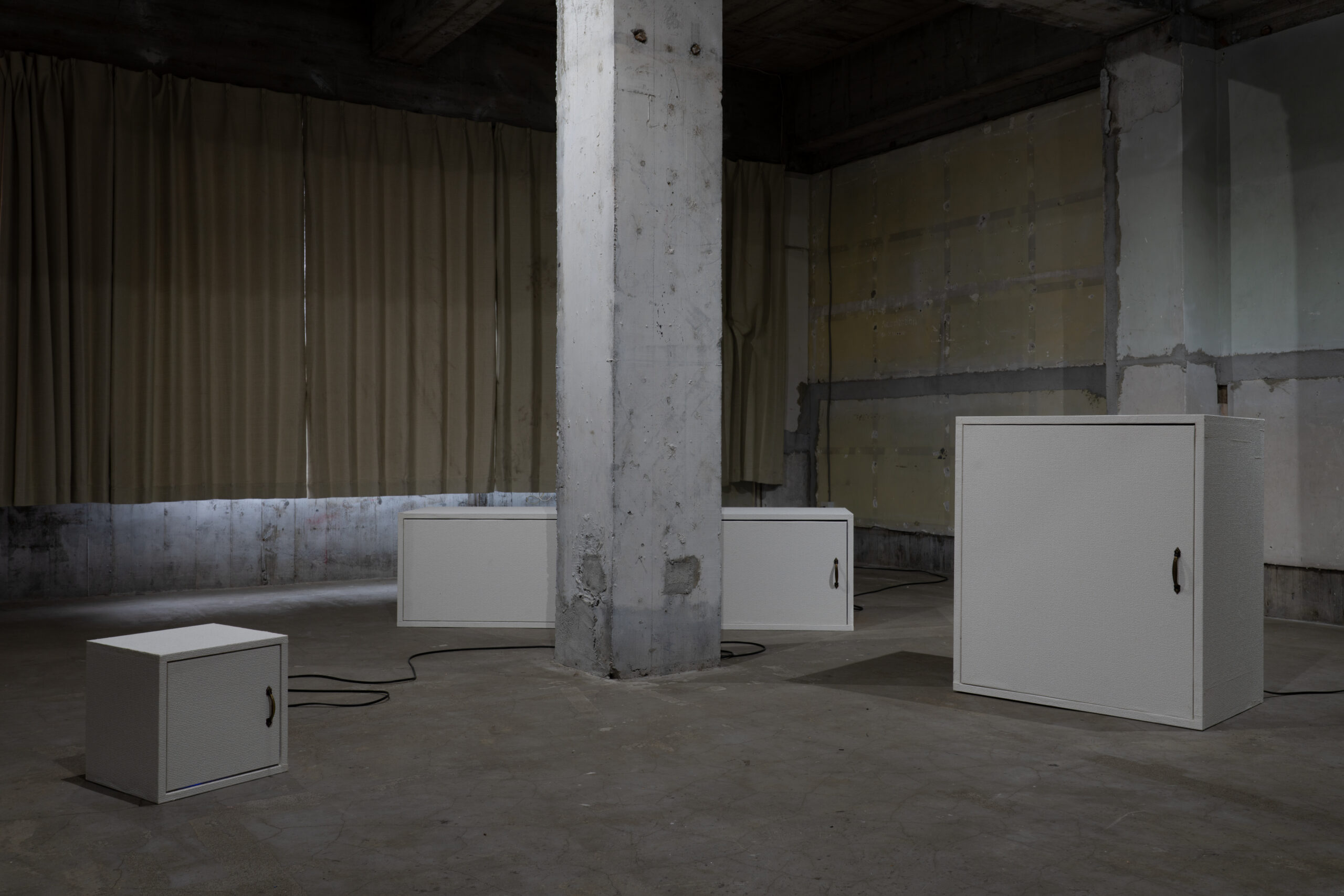
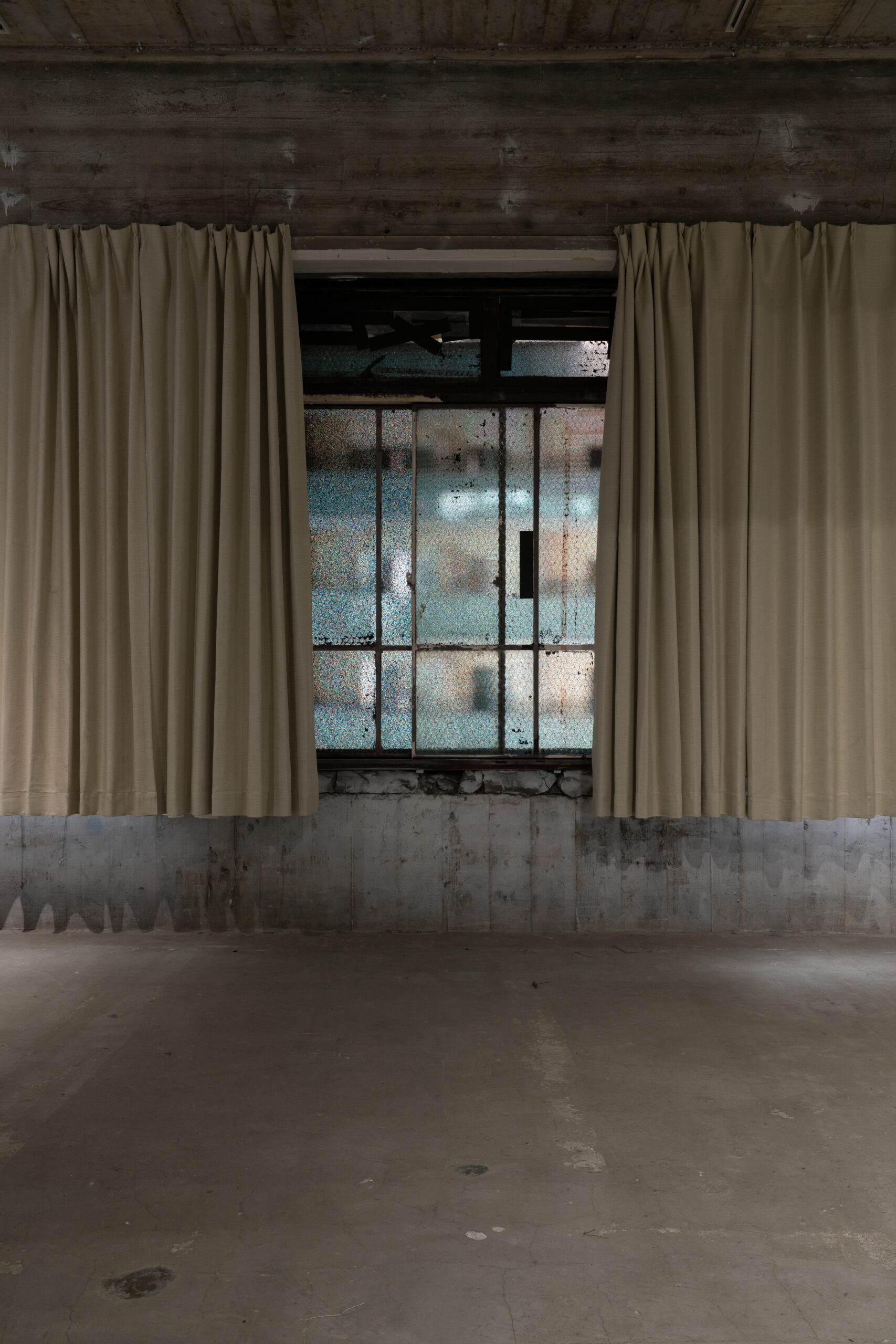
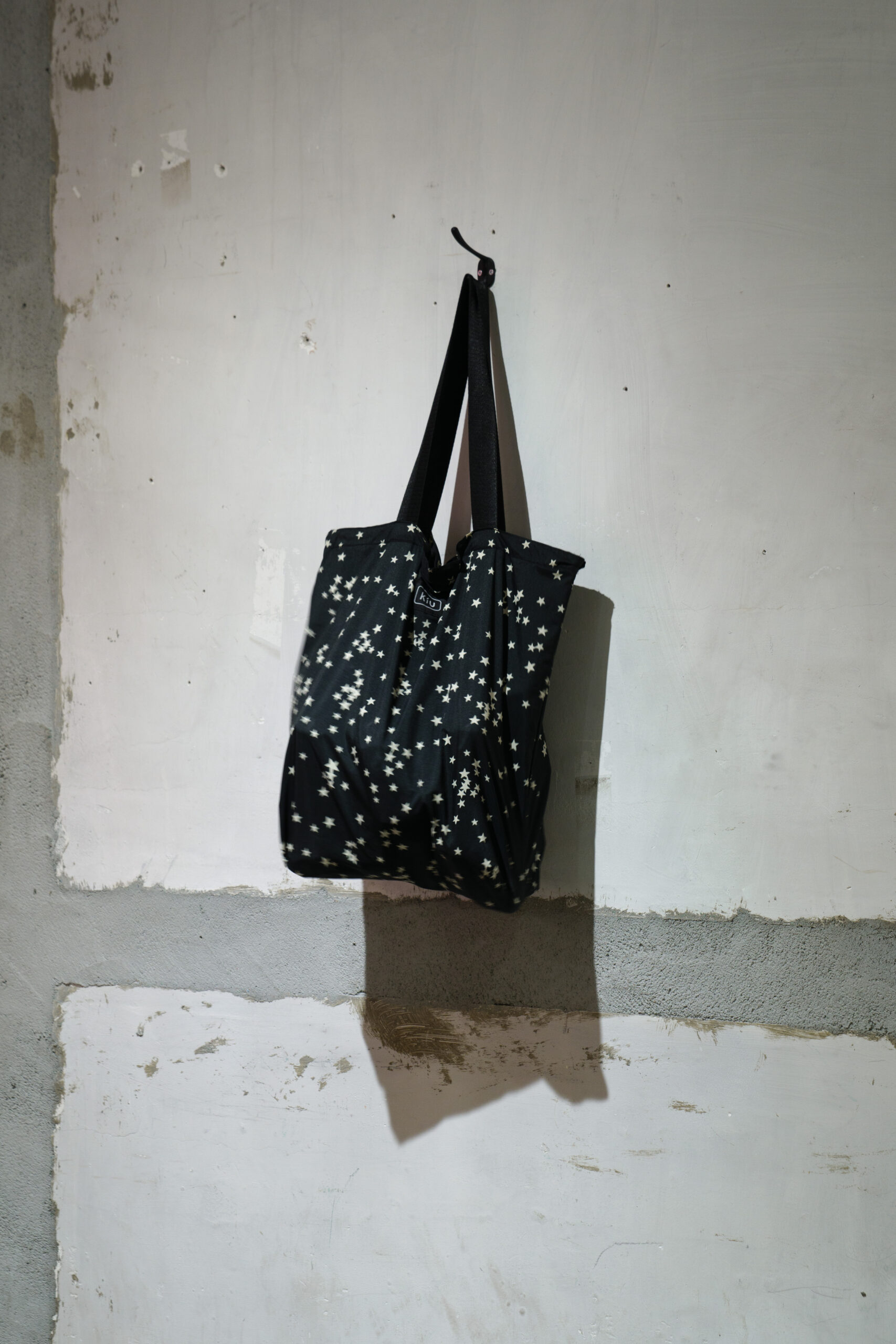
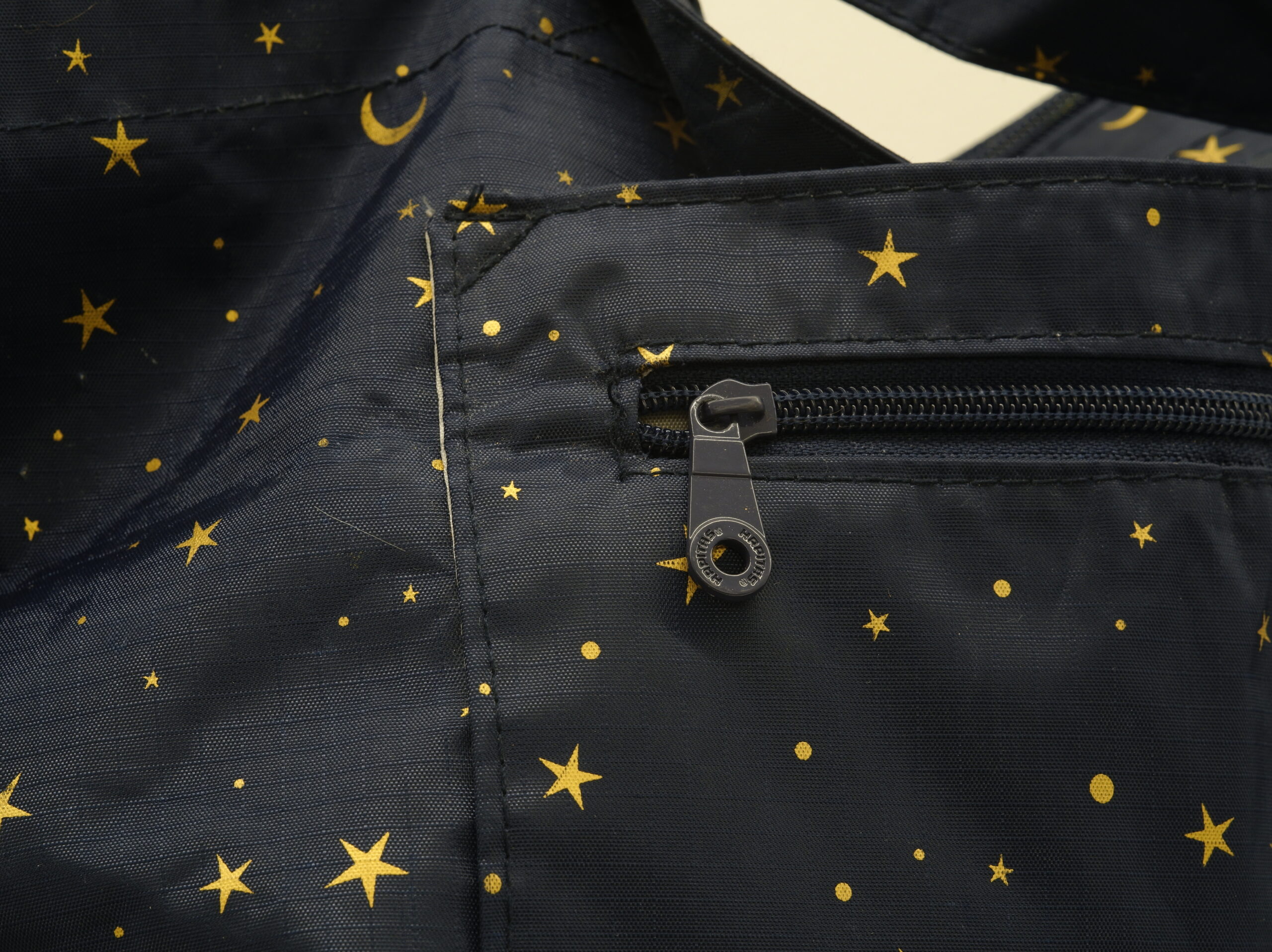
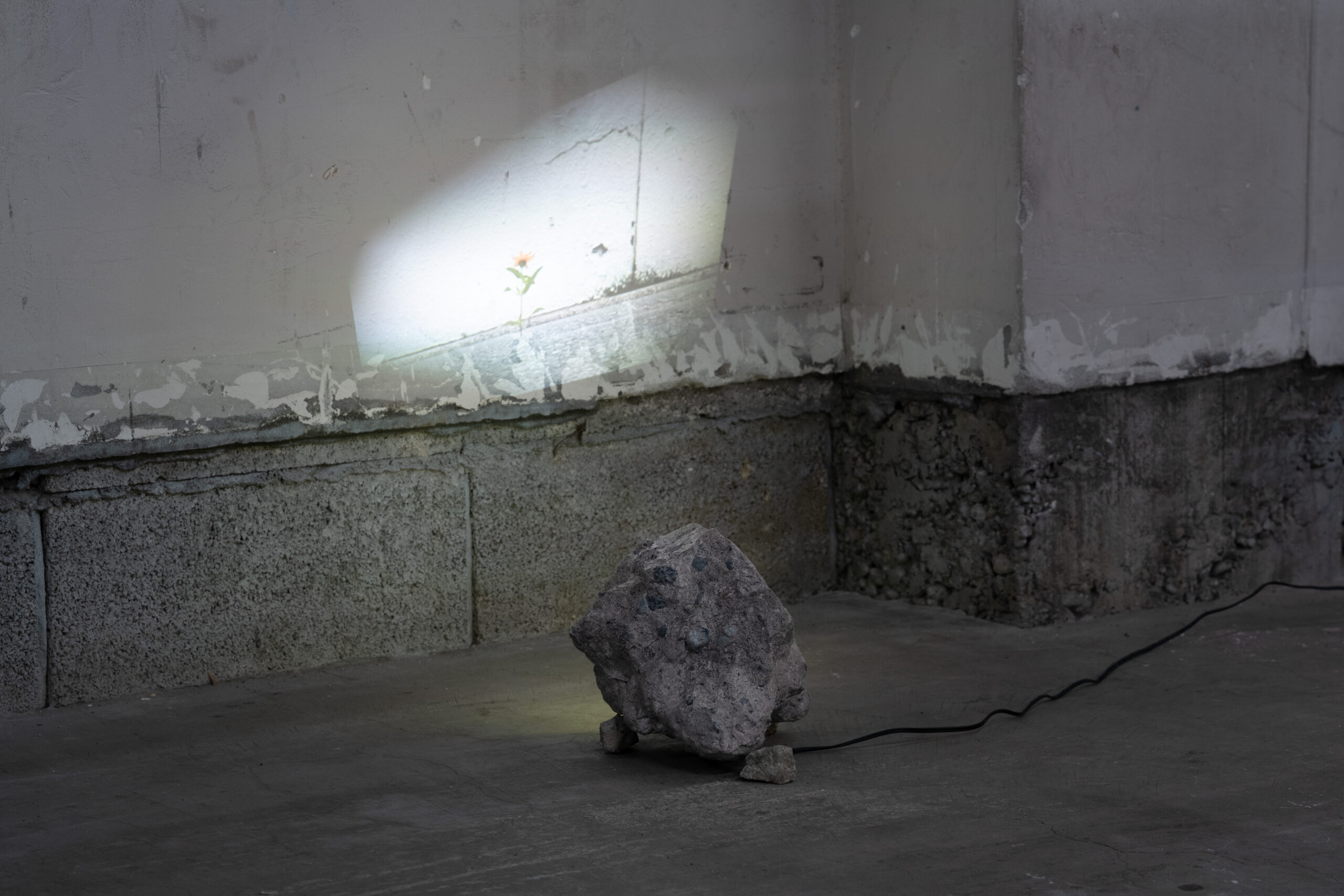
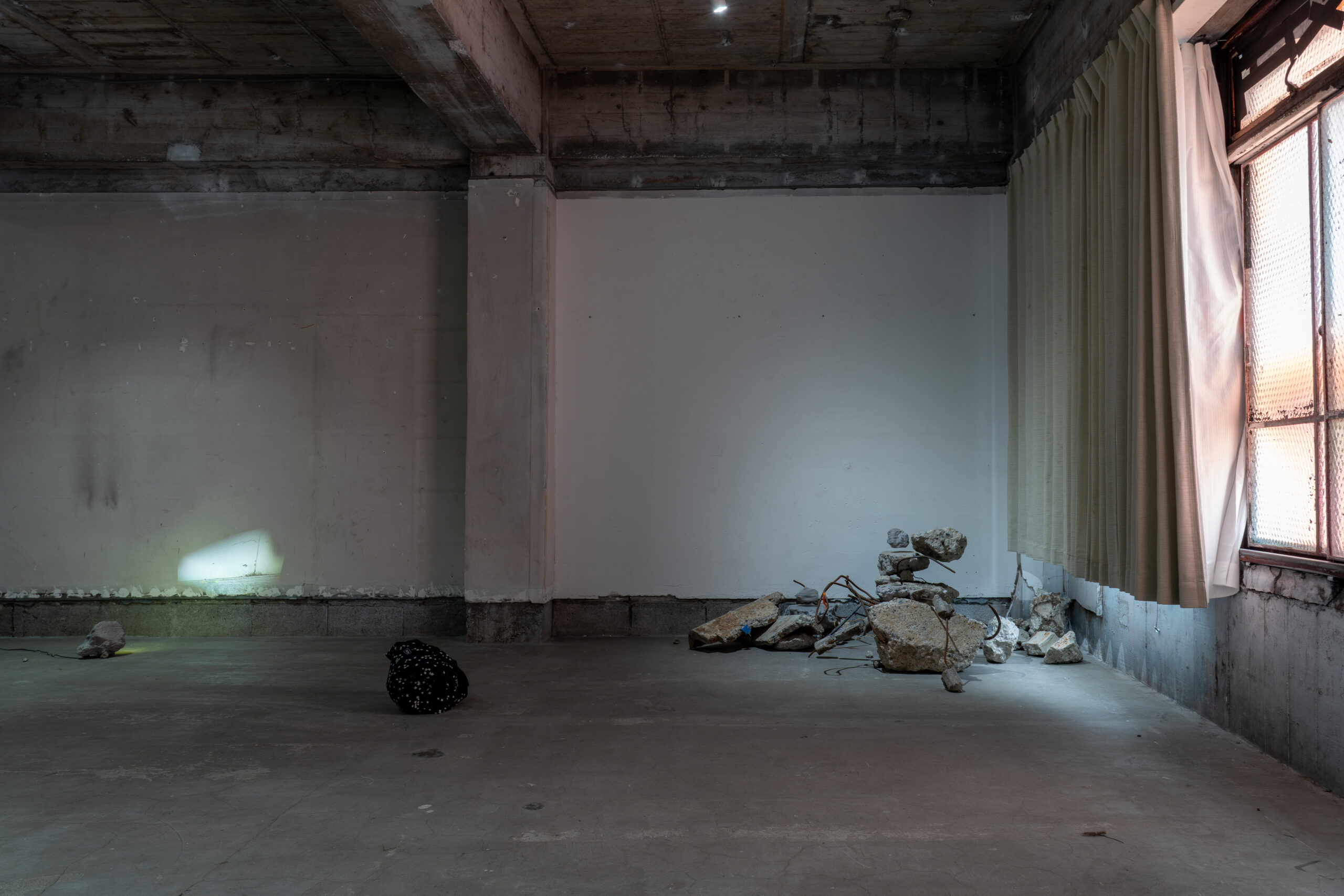
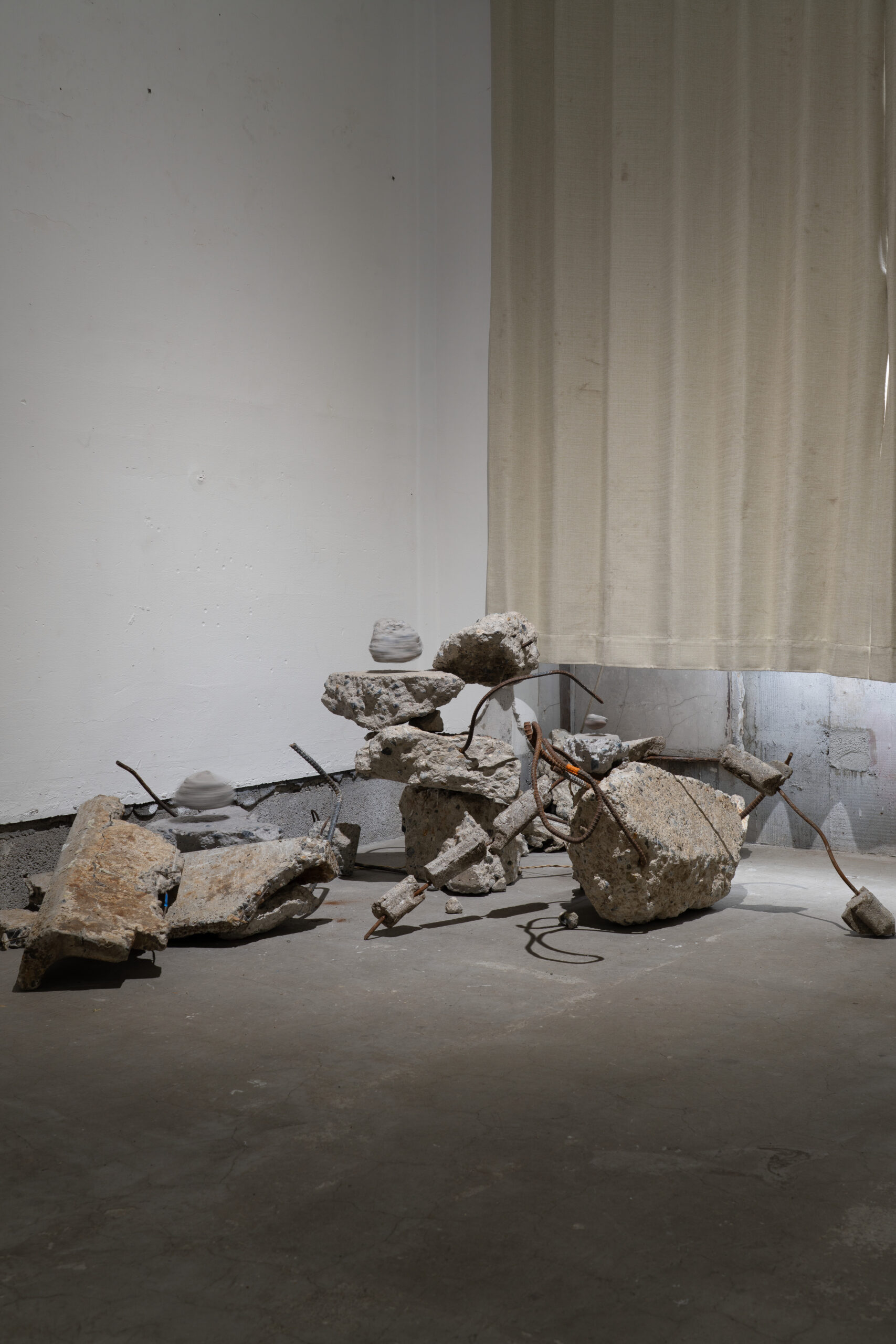
Photo credit: Hidehiko Omata, Takuto Ohta
展覧会、各作家、作品等に関するお問い合わせはcontact@parceltokyo.jp までお願いいたします。
For further information regarding this exhibitions or the artists, artworks please contact us at contact@parceltokyo.jp
横手太紀|Taiki Yokote
1998年生まれ。神奈川県逗子市育ち。2021年東京藝術大学美術学部彫刻科卒業。2025年東京藝術大学大学院美術研究科彫刻専攻修了。
横手太紀の実践は、身の回りの景色や出来事によって揺さぶられる感情から始まる。存在と不在、非言語的なやりとり、目では捉えきれない微細な存在や事象。横手は物質とその背景にある見えない交感に目を向け、それらを丁寧な眼差しによって、集合体のなかに埋もれた個の存在や、多様な時間の流れを浮かび上がらせる。人間と非人間、現在と記憶、現実と想像が自然と同じ場に流れるなかで、そうした他者との静かな共鳴はそのあわいへ目を向ける態度であり、私たちと社会や世界とのより深い接続を促すものである。
主な展覧会に、「Frieze Seoul 2025」(COEX、ソウル、2025年)、「Minor Attractions 2025」(The Mandrake Hotel、ロンドン、2025年)、「West Bund Art & Design 2024」(西岸芸術中心、上海、2024年)、「BOLMETEUS」(SAI、東京、2024年)、「until soil unites」(CON_、東京、2024年)、「六甲ミーツ・アート2023 beyond」(六甲山、兵庫、2023年)、「even a worm will turn」(parcel、東京、2022年)、「惑星ザムザ」(小高製本工業跡地、東京、2022年)、「Encounters in Parallel」(ANB Tokyo、東京、2021年) 、「獣(第0章 / 交叉時点)」(北千住BUoY、東京、2021年)など。
Born in Zushi City, Kanagawa Prefecture in 1998. Completed his BFA in Sculpture at the Tokyo University of the Arts in 2021, followed by his MFA in Sculpture in 2025.
Yokote’s practice is rooted in the emotions stirred by the landscapes and events of his immediate surroundings: presence and absence, non-verbal exchanges, minute existences and phenomena that flicker on the edge of our perception. Drawn to both the material world and the invisible forces that move beneath it, Yokote, with his quiet gaze, lifts individual existences buried within larger collectives and uncovers the multiple currents of time that run through them. As the human and non-human, present and memory, reality and imagination flow naturally into the same space, Yokote’s quiet resonance with others reflects his attitude toward the spaces in between. Through this attunement, a deeper connection between ourselves, society, and the world quietly emerges.
Selected exhibitions include Frieze Seoul 2025 (COEX, Seoul, 2025), Minor Attractions 2025 (The Mandrake Hotel, London, 2025), West Bund Art & Design 2024 (West Bund Art Center, Shanghai, 2024), BOLMETEUS (SAI, Tokyo, 2024), until soil unites (CON_, Tokyo, 2024), Rokko Meets Art 2023 beyond (Rokko Mountain, Hyogo, 2023), even a worm will turn (parcel, Tokyo, 2022), Planet Samsa (Former Site of Odaka Bookbinding Company, Tokyo, 2022), Encounters in Parallel (ANB Tokyo, Tokyo, 2021), and JYU (Chapter 0 / CROSSWHEN) (Kitasenjyu BUoY, Tokyo, 2021), among others.