Exhibition

Past
2026
04.25Sat
2026
05.24Sun.
parcel
Open on Wed - Sun
14:00 - 19:00
Closed on Mon, Tue, National Holidays
Opening reception on April 24th, Fri. 18:00-21:00
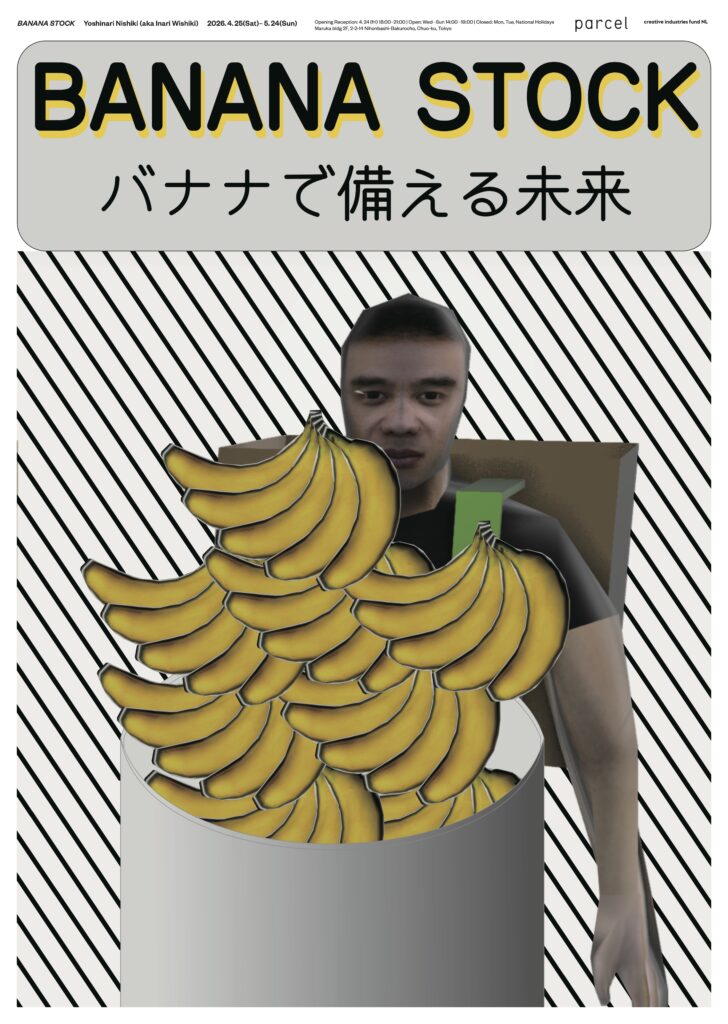
BANANA STOCK バナナで備える未来
Yoshinari Nishiki (aka Inari Wishiki)
details - JP
この度、parcelでは、石毛健太のキュレーションにより、ロッテルダムを拠点に活動するアーティスト Yoshinari Nishiki による個展「BANANA STOCK / バナナで備える未来」を開催いたします。本展は、Nishikiにとって日本で初めての個展となります。
Nishikiは、物流や流通、資源循環といった社会インフラの仕組みに介入し、それらを新たな価値の生成装置として再構築するプロジェクトを展開してきました。これまでに、バナナの無限増殖を題材にした「Banana Multiplier」(2013年)、ハトを用いた合法的な乗車券リサイクルシステム「Homing Pigeon Unused Ticket Delivery System」(2014年)、宅配便を介さない無料輸送システム「Contingent Cycle Courier」(2019年)、外来植物から作られたエナジードリンク「EROI Drink」(2020年)など、既存の制度や流通経路を転用した多様なプロジェクトを発表してきました。
また、資本主義システムの内部に入り込み、その構造を内側から再編成する社会彫刻として、TOFU(Technology of Future Utopia)を創設。物流システムやサプライチェーンへ介入するアートプロジェクトや社会実験を実践しています。
2023年以降、Nishikiは「(un)making」という概念を提唱しています。
(un)makingとは、リサイクルやアップサイクルとは異なる、気候変動に対する予防的アプローチです。既存のモノや制度を脱構築し(Deconstruction)、それらの要素を本来の用途から逸脱させながら(Disobedience)、個人やコミュニティの生存のために新たな価値として再接続する(Reconstruction)。それは、資本主義的な価値体系とは異なる生存戦略を模索する試みでもあります。
本展で発表される新作《Banana Fallout Shelter》(2026)は、この(un)makingの実践を提示する社会実験的プロジェクトです。
現在世界中で消費されているバナナの品種「キャベンディッシュ」が近い将来絶滅するという仮説のもと、缶詰バナナへの代替投資を行い、バナナの備蓄=「Banana Stock」を形成します。こうして生まれた(un)madeのバナナストックは、絶滅後の未来において新たな価値を帯びる可能性を持っています。
資源、流通、投資、そして未来の価値。
Nishikiの実践は、それらを前提として成り立つ現在の経済や生存の仕組みを、ユーモアと批評性を交えながら問い直します。
イナリさんとは去年キプロスで初めて会いました。
彼はロッテルダムを拠点に、伝書鳩を用いた”合法的な”キセル乗車のシステムの提案、侵略的外来種を原料に使用したエナジードリンクの製造、人一人で外部動力なしで運べる海上コンテナの設計・製造、その他思弁的な実践や実装を多数行ってきたアーティストです。
キプロスでは1週間の短い交流プログラムを共に過ごし、プログラムの終盤に時間を持て余したのでキオスクでビールを買って大きい公園の中にある閉店後のカフェテリアのオープンテラスに座って酒盛りをしました。会話を続けていると、公園に常駐している警備員に幾度となく注意され、そのうち彼らと一緒に世間話をして、結局朝までカフェテリアでビールを煽り続けることになりました。イナリさんは「(un)making」という生産の方法を模索している作家で、現在、奈良先端科学技術大学院大学で、誰もが「(un)made object」を制作し、それにエコラベルである「(un)made certificate」を付与する方法についての博士研究を行っています。
消費活動における消費者と生産者、物流におけるコンテナ輸送と個人配送、現代の鉄道輸送と前時代の郵便方法、深夜の公園での警備員と我々、そういう非対称なものごとをイーブンに変える(どころかときには逆転させる)(かつ元から敷設されているルールの中で可能な)仕組みを考案しては実践してきた作家といえるでしょう。
それらの取り組みはしばしば既存のスペキュラティブデザインという枠組みで語られるかもしれませんが、イナリさんの取り組みにおいて最も重要なことは実践の先の実装を目指す、という点において一線を画していて、かつ、その活動は複雑に分裂した関係性やシステム、ひいては社会を串刺し我々を自由にするためのものであり、僕はイナリさんをほとんど革命家のように見ています。会場では現在最も広く流通しているバナナであるキャベンディッシュの絶滅に賭け、投機可能な形へと加工をするプロジェクトが展開されます。イナリさんの日本での初個展を企画できて嬉しいです。みなさん是非、足を運んで一緒にバナナの絶滅に備えましょう。
ー石毛健太
__________
近頃、パンデミックや気候災害、金融危機、政治的混乱など、文明の終焉を垣間見るような出来事が頻繁に起こっているように感じられる。来るべき最終危機に備え、投資は獲得した価値を守る最も確実な手段の一つに思える。しかし金や銀、ビットコイン、その他の金融派生商品の価格がすべて下落している時、他に何に投資すればよいのか?バナナだ!
スーパーで見かけるバナナは世界中で同じ品種——「キャベンディッシュ」と呼ばれる単一品種からクローン栽培されたものだ。実はこれは、絶滅した前身品種「グロ・ミシェル」に次ぐ、世界で2番目に病気に強くおいしい品種である。しかし過去に起きたように、キャベンディッシュも今や特定のバナナ病原菌により絶滅の危機に瀕している。
しかし、これが最大の投資チャンスかもしれない!今、一般的なバナナを買いだめして保存しておけば、絶滅が現実となった際にその価格は急騰する可能性がある。今すぐバナナ陣営に加わろう—これがあなたのチャンスだ!
ーYoshinari Nishiki (aka Inari Wishiki)
details - EN
parcel is pleased to present BANANA STOCK, a solo exhibition by Yoshinari Nishiki curated by Kenta Ishige. This exhibition marks Nishiki’s first solo presentation in Japan. Nishiki is based in Rotterdam and has been developing practice that intervenes in social infrastructures such as logistics, distribution, and resource circulation, by reconfiguring them as systems for generating new forms of value.
His previous projects include Banana Multiplier (2013), which explores the infinite reproduction of bananas; Homing Pigeon Unused Train Ticket Delivery System (2014), a legal recycling system for unused train tickets using pigeons; Contingent Cycle Courier (2019), a free transportation system that bypasses conventional delivery services; and EROI Drink (2020), an energy drink produced from invasive plants. Through these and other works, Nishiki has developed projects that repurpose existing systems and channels of circulation. He also founded TOFU (Technology of Future Utopia) as a form of social sculpture that operates from within capitalist systems, seeking to reorganize their structures from the inside. Through TOFU, Nishiki carries out art projects and social experiments that intervene in logistics systems and supply chains.
Since 2023, Nishiki has proposed the concept of (un)making. Rather than recycling, reuse, or upcycling, (un)making functions as a preventative response to climate change. It begins by deconstructing the structures and origins of existing objects and systems (Deconstruction), allowing their components to deviate from their “proper” uses (Disobedience), and reconnecting them as new forms of value for the survival of individuals and communities (Reconstruction). In this sense, (un)making suggests a survival strategy that diverges from conventional capitalist value systems.
The work presented in this exhibition, Banana Fallout Shelter (2026), is a social experiment that embodies the practice of (un)making. Based on the premise that the globally consumed Cavendish banana may become extinct in the near future, the project proposes an alternative investment in canned bananas, forming a reserve of “banana stock.” The resulting (un)made banana stock may acquire new economic value in a future where bananas have disappeared.
Through themes of resources, circulation, investment, and the question of value in the future, Nishiki’s practice critically examines the economic and survival systems that underpin contemporary society, approaching them with both humor and critical insight.I first met Inari last year in Cyprus. Based in Rotterdam, he is an artist who has developed numerous speculative yet practical projects: proposing a “legal” fare-evasion system using homing pigeons, producing an energy drink made from invasive species, designing and building a shipping container that can be mobilized by a single person without external energy sources, among many other experiments and implementations.
In Cyprus we spent a week together in a short exchange program. Toward the end of the program we found ourselves with some time to spare, so we bought beers at a kiosk and sat at the open terrace of a cafeteria in a large park after it had already closed. As we kept talking, the security guards who patrol the park came over several times to warn us. Eventually we started chatting with them as well, and in the end we stayed there drinking beer together at the cafeteria until morning.
Inari is an artist exploring a method of production he calls “(un)making.” He is currently conducting doctoral research at Nara Institute of Science and Technology on a set of guidelines by which anyone can produce an “(un)made object” and attach to it an ecolabel called the “(un)made certificate.”
Throughout his work, he devises and tests systems that attempt to level—or sometimes even invert—various asymmetries: between consumers and producers in acts of consumption; between containerized shipping and individual delivery in logistics; between modern railway transportation and older postal methods; even between park security guards and ourselves late at night. Importantly, these mechanisms operate within the rules that are already in place, while subtly bending them.
These projects may often be discussed within the framework of speculative design. However, what distinguishes Inari’s practice is his commitment to implementation—to moving beyond speculation toward actual application. His work cuts through the complex and fragmented relationships and systems that shape contemporary society, and in doing so seeks to open up new forms of freedom. For this reason, I sometimes see Inari almost as a kind of revolutionary.
In the exhibition, he presents a project that speculates on the extinction of the Cavendish banana, currently the most widely distributed variety in the world, by transforming it into a form that can be stored and potentially invested in.
I am very pleased to present Inari’s first solo exhibition in Japan. Please come and join us—and prepare together for the possible extinction of bananas.
— Kenta Ishige
_________
It feels like we are witnessing glimpses of the end of civilization more often these days—whether it’s a pandemic, a climate disaster, a financial crisis, or a political upheaval. In preparation for the final crisis, investment often appears to be one of the most secure ways to preserve the value one has gained. However, when the prices of gold, silver, Bitcoin, and other financial derivatives are all falling, what else can you invest in? Bananas!
Bananas, as we know them from the supermarket, are the same worldwide—clones grown from a single variety called ‘Cavendish’. In fact, it is the second most hardy and tasty kind, following the extinction of the previous variety, ‘Gros Michel’. As has already happened before, Cavendish now also faces extinction due to a particular banana pathogen.
And yet, this might be the biggest investment opportunity! If you stockpile and preserve common bananas now, their price may rise dramatically if extinction becomes a reality. Join the banana camp now—it’s your opportunity!
ーYoshinari Nishiki (aka Inari Wishiki)
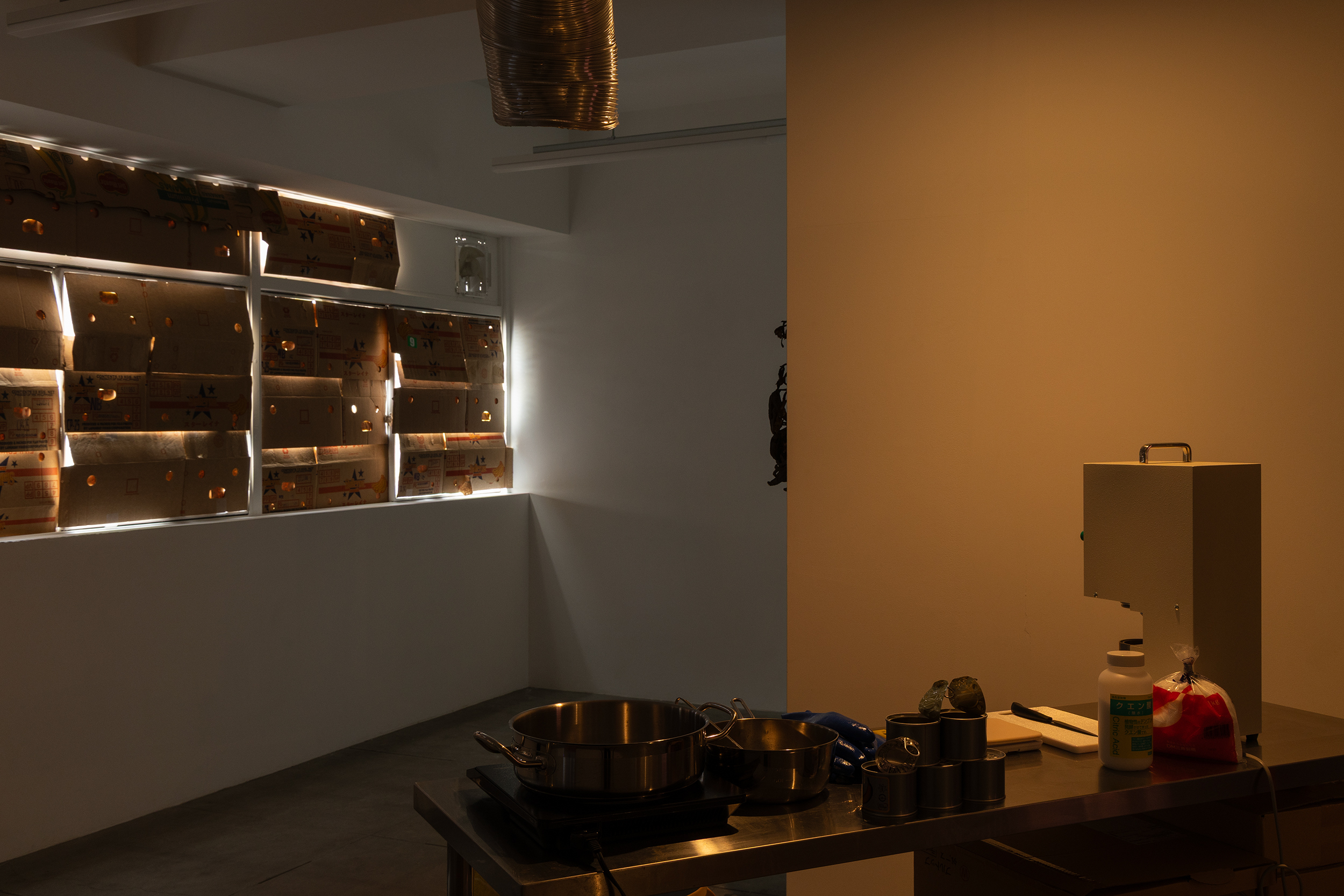
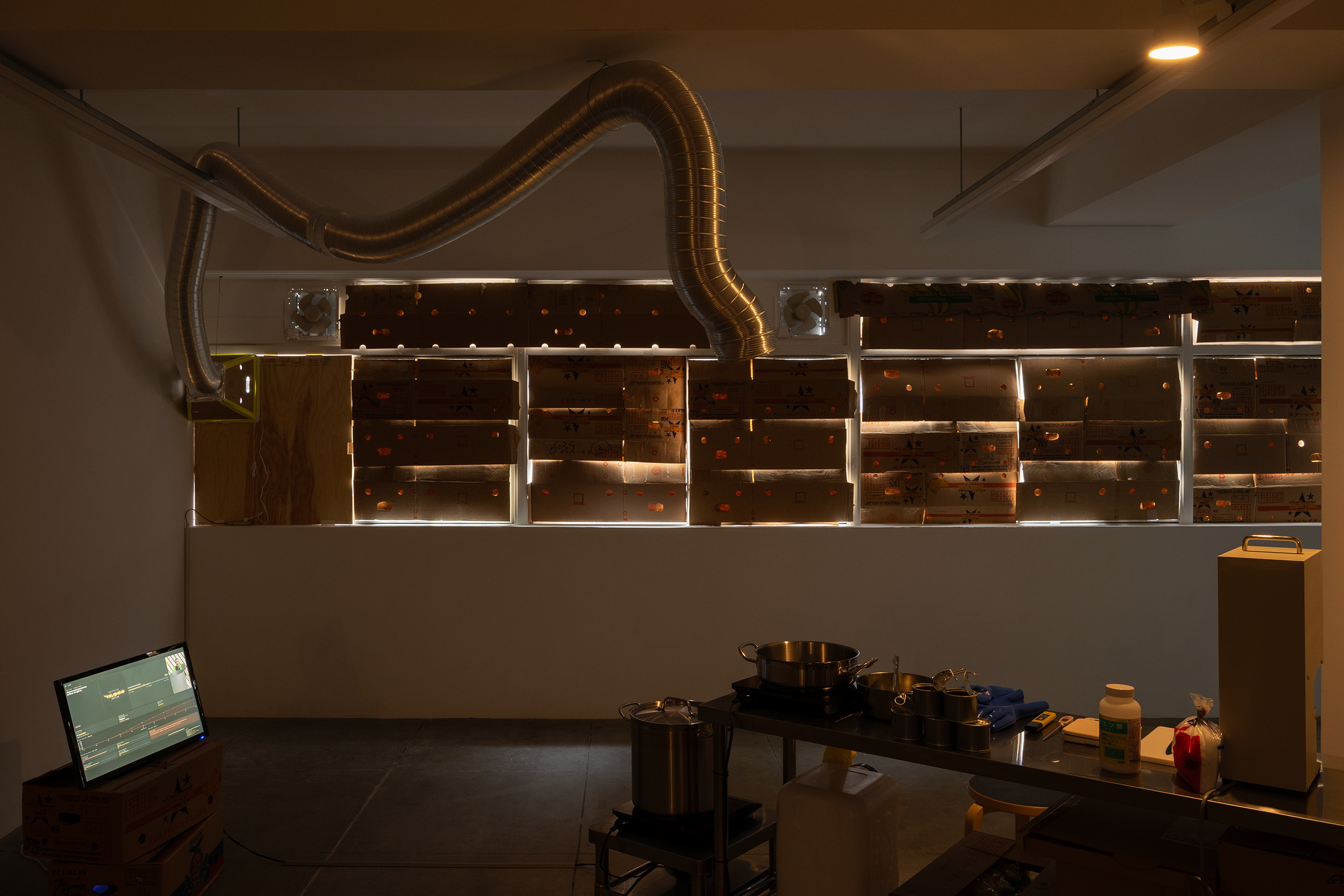
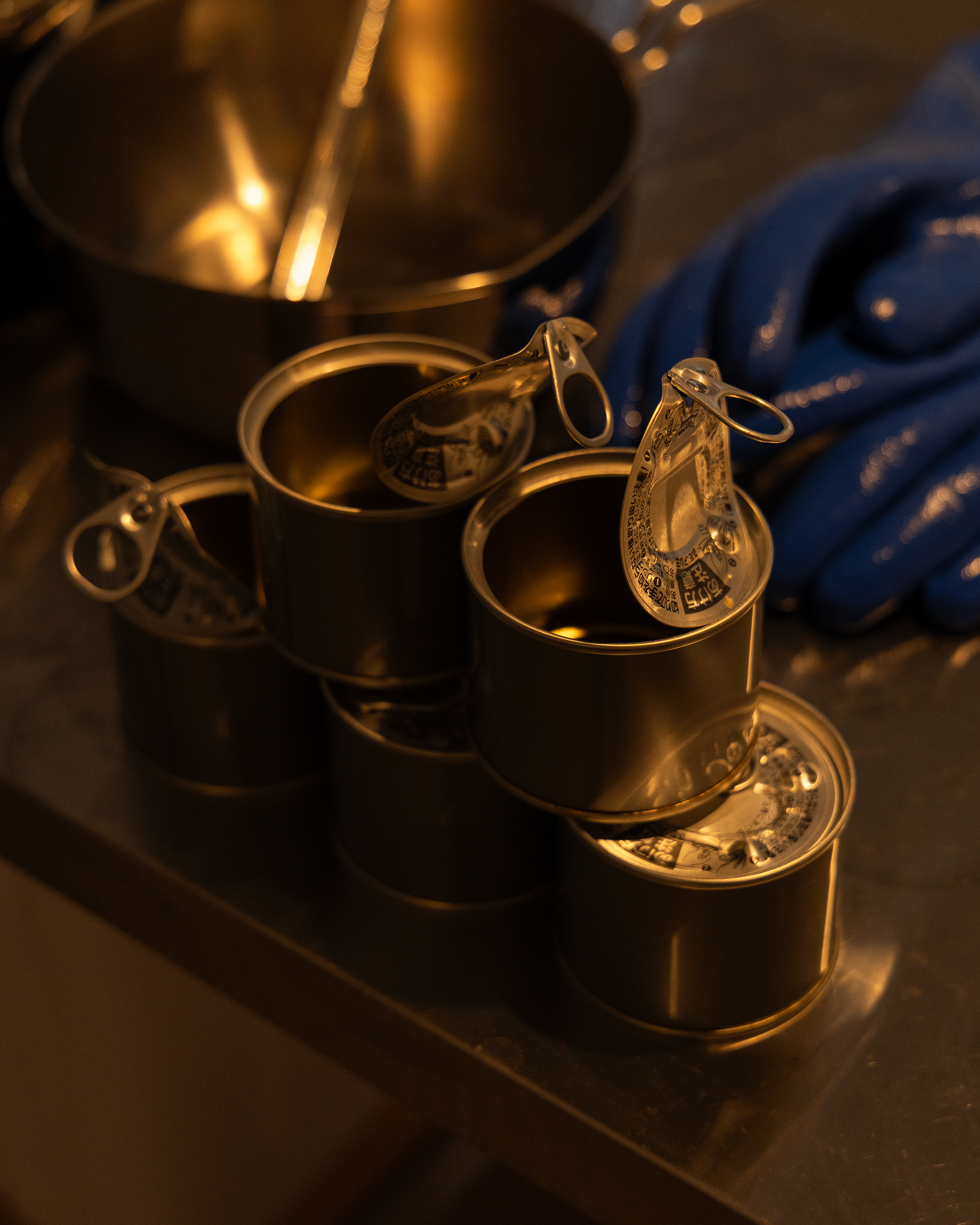
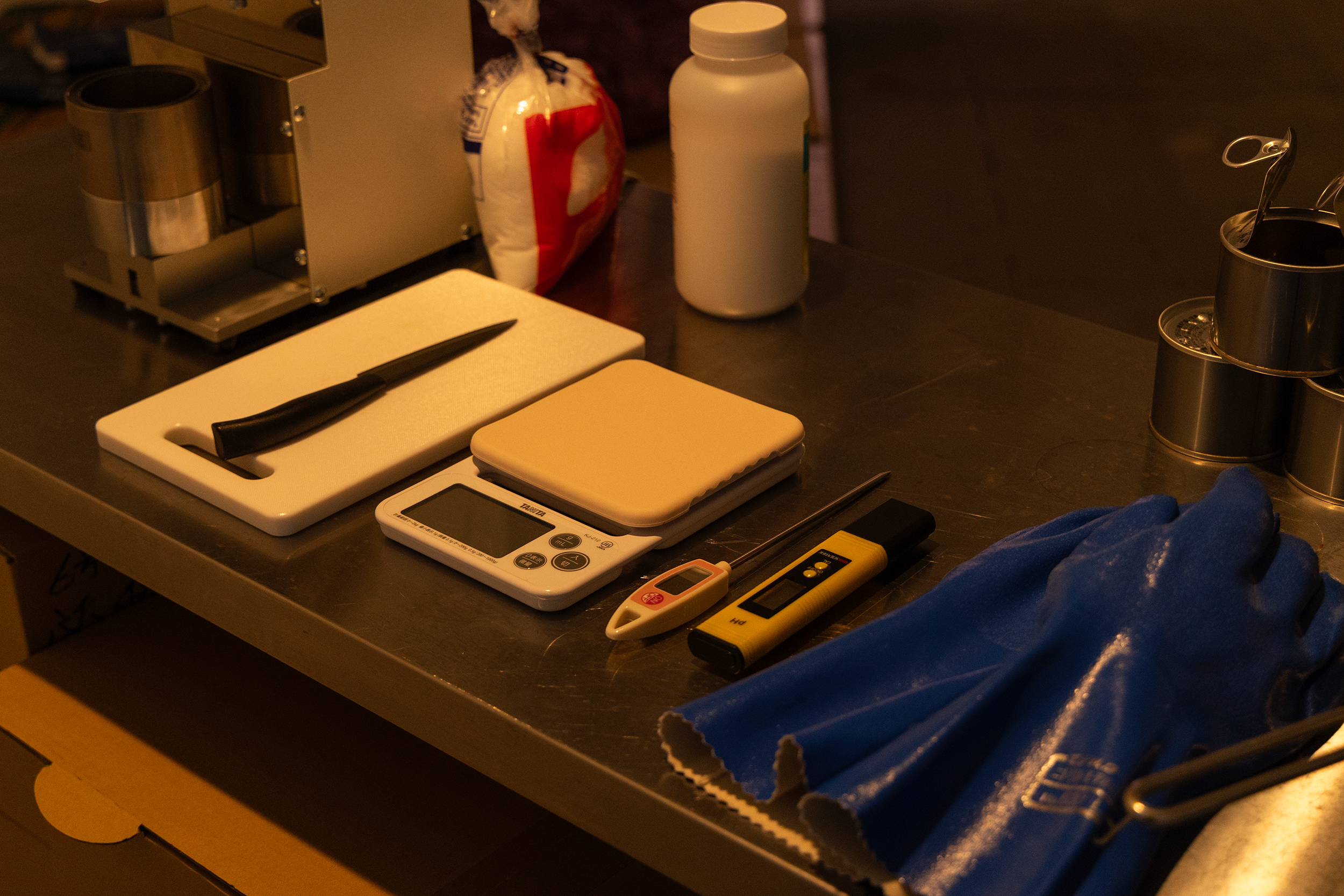
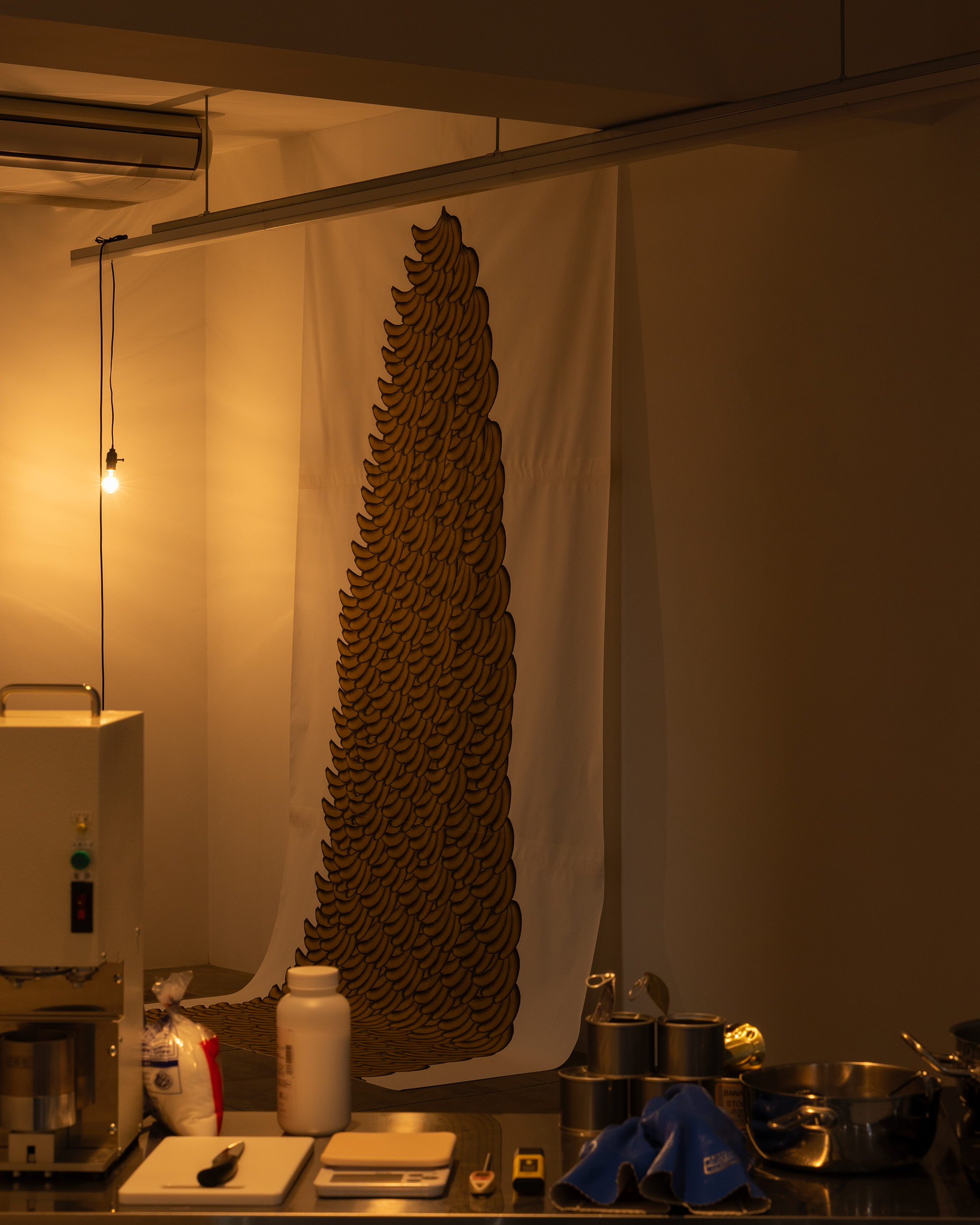
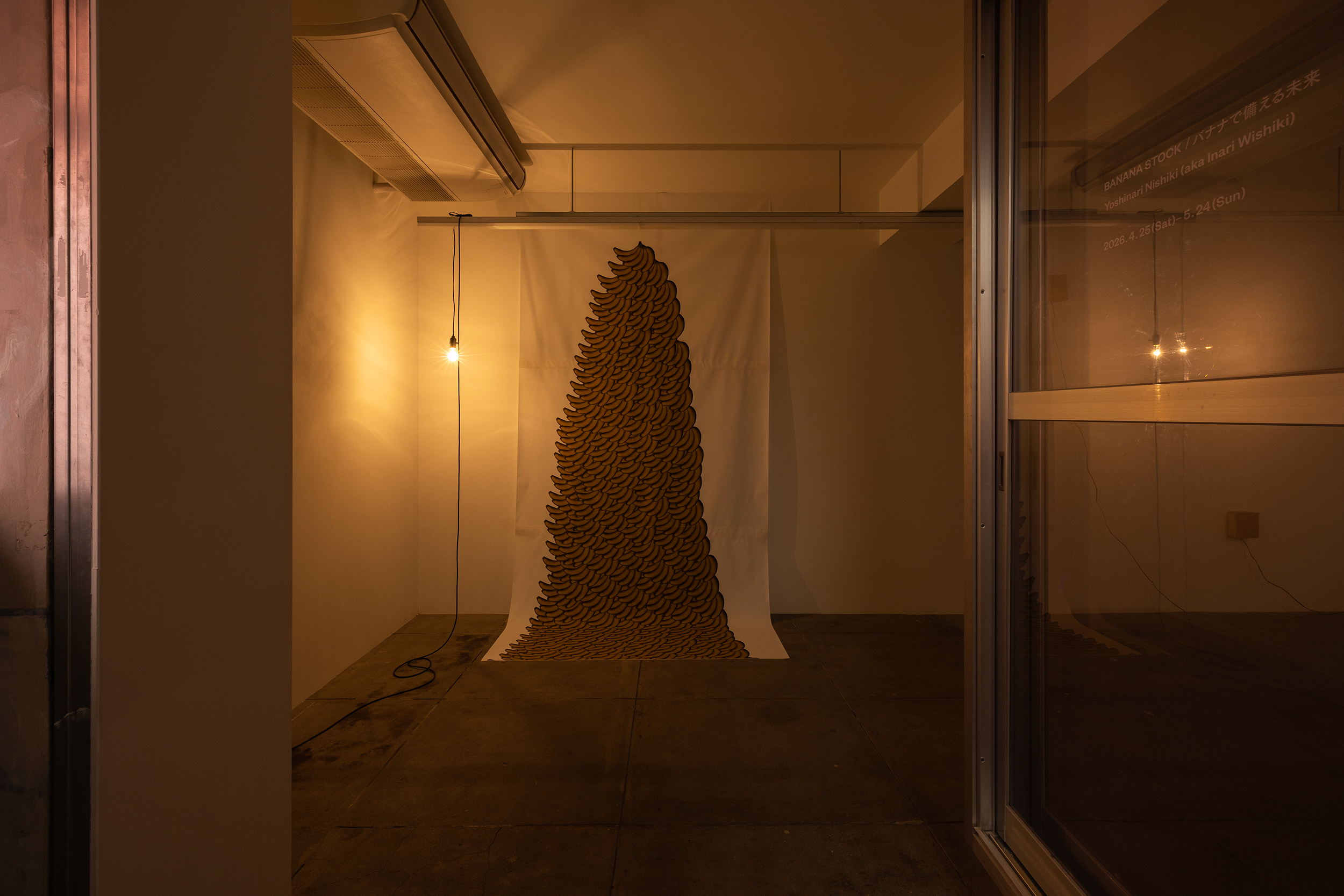
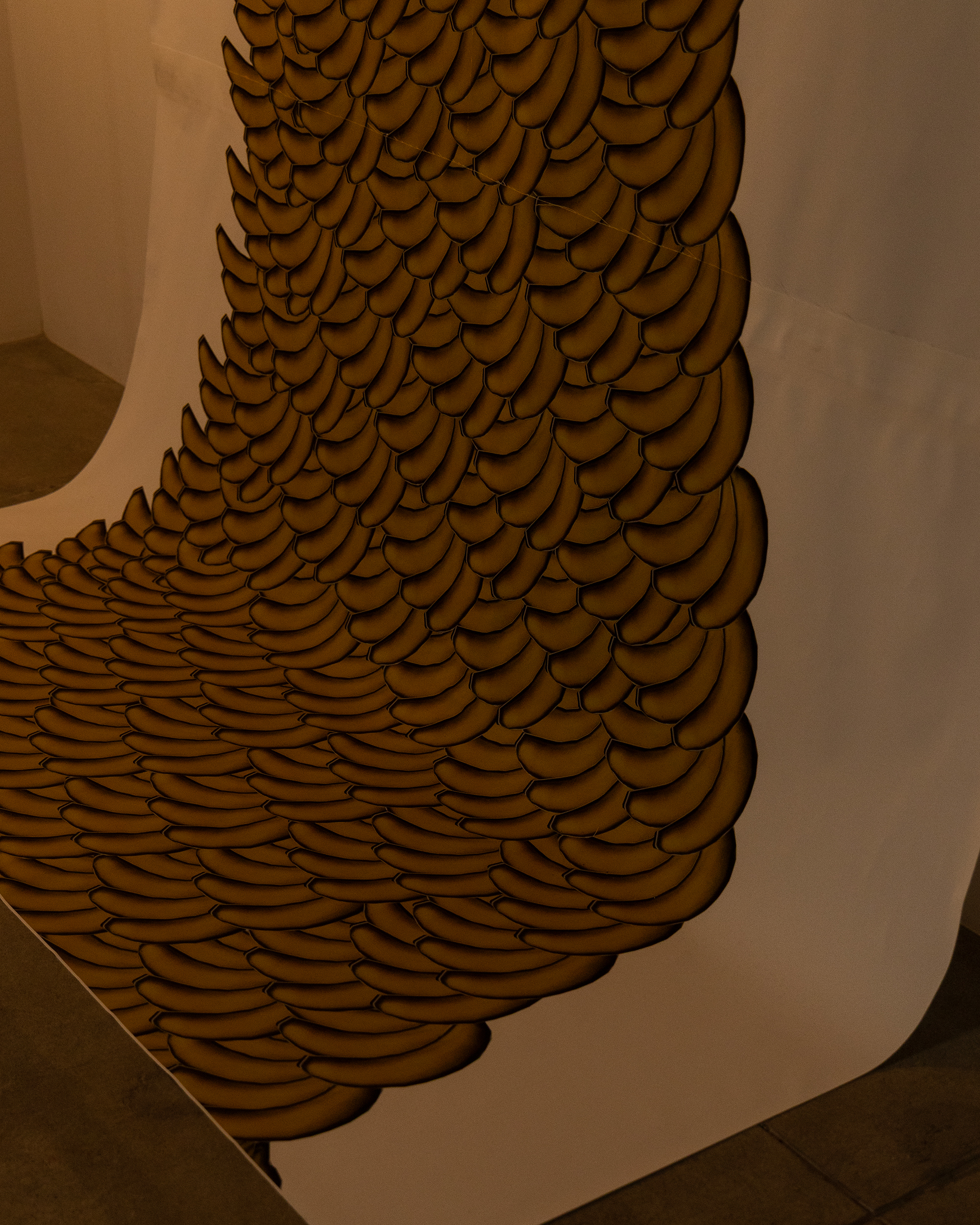
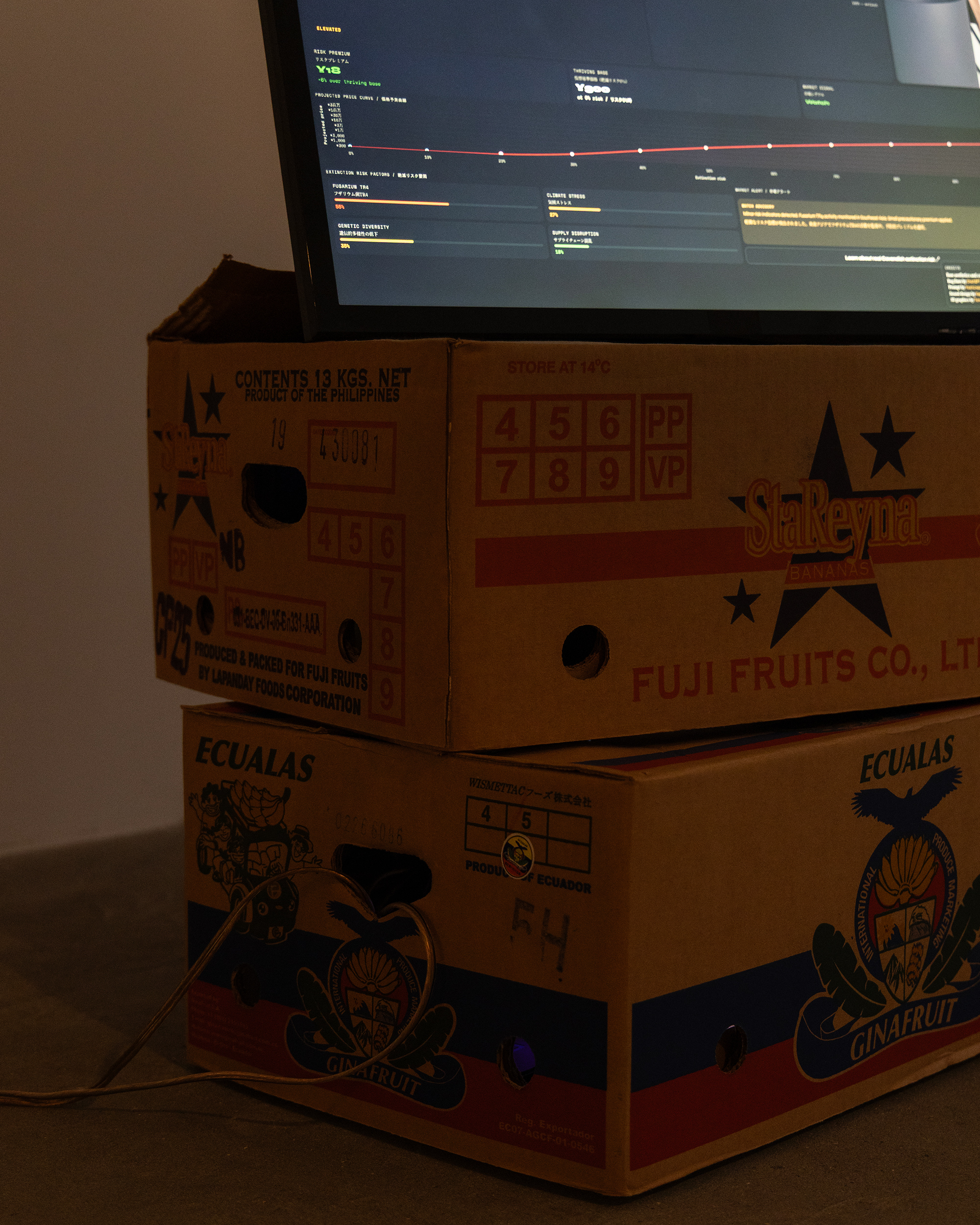
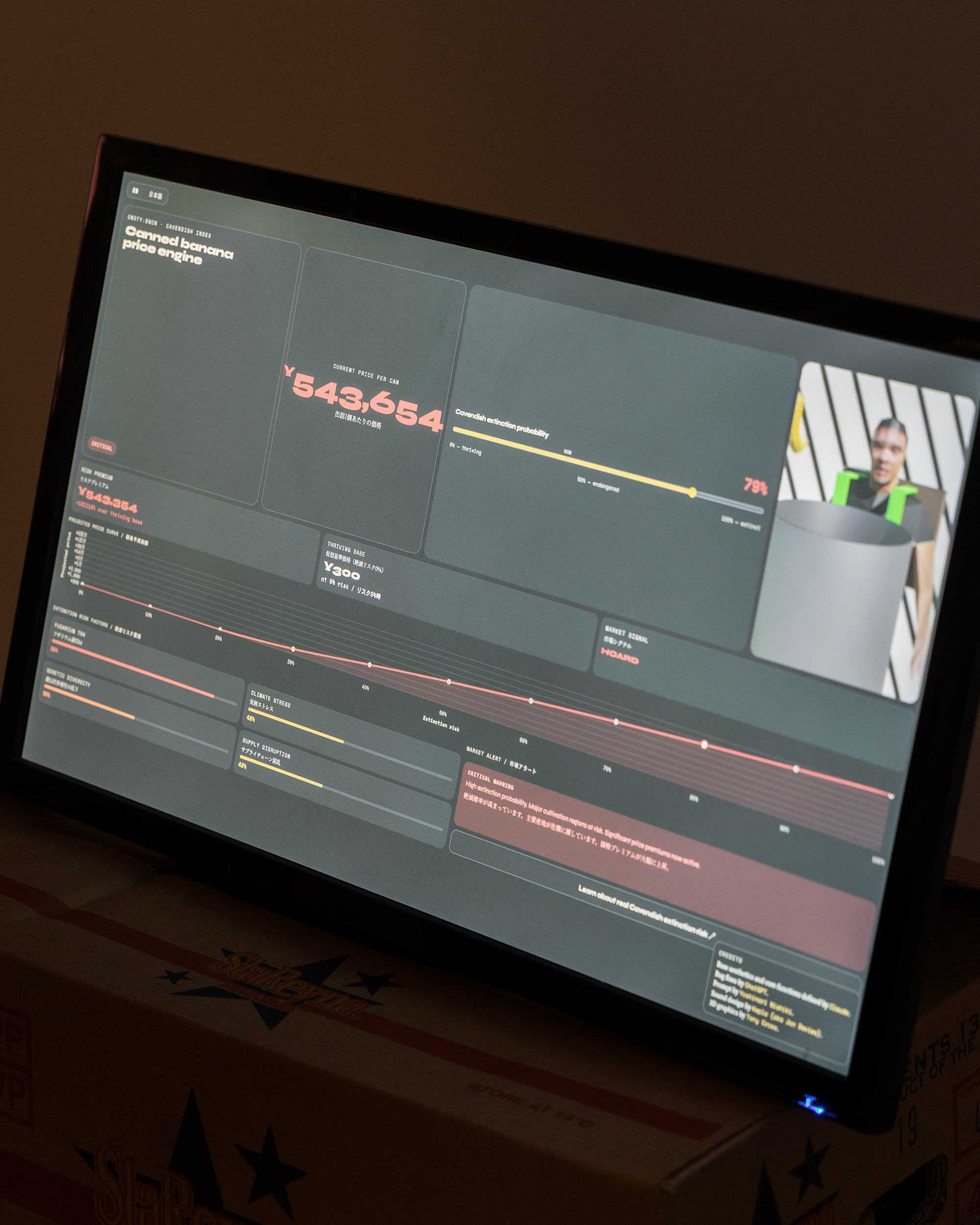
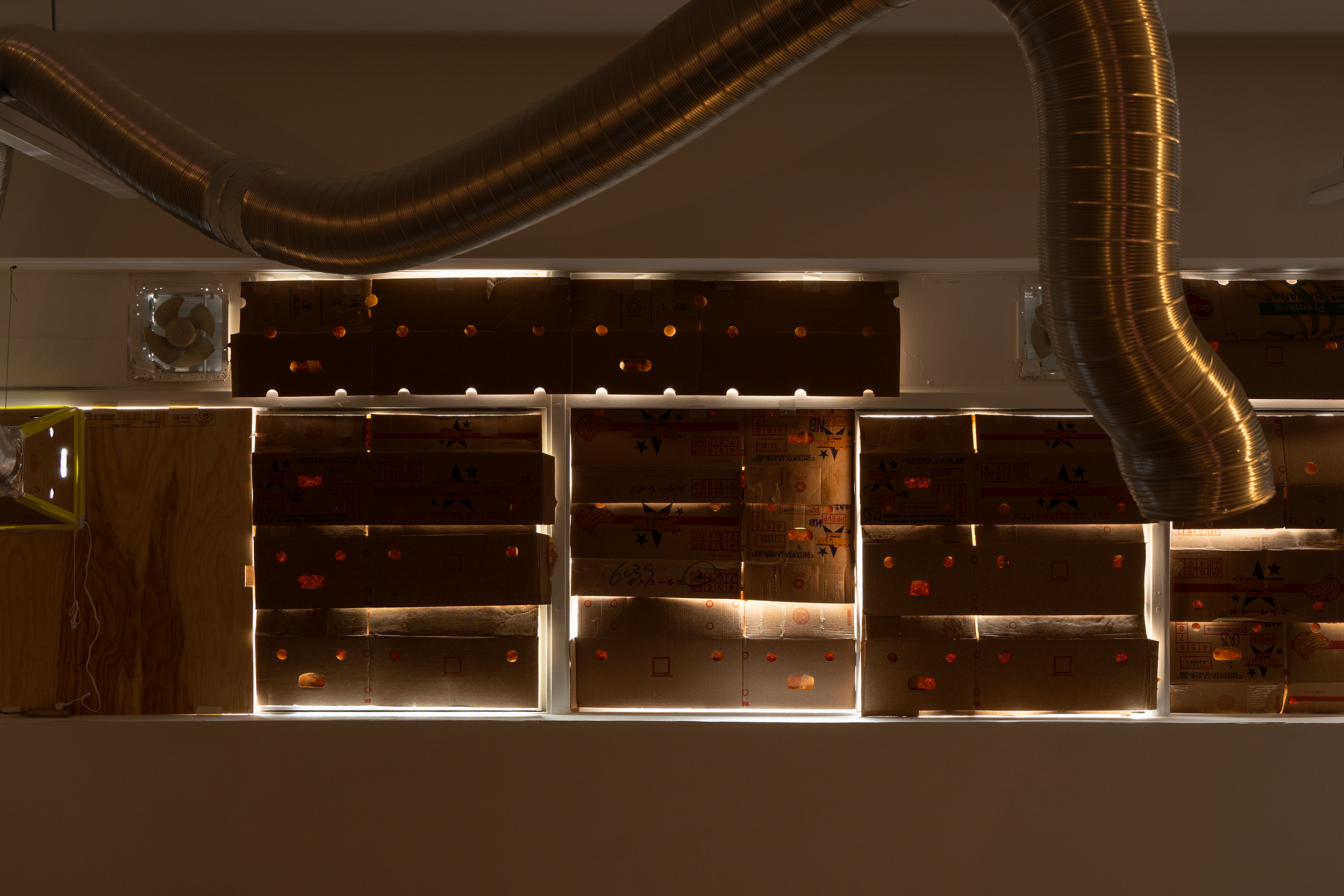
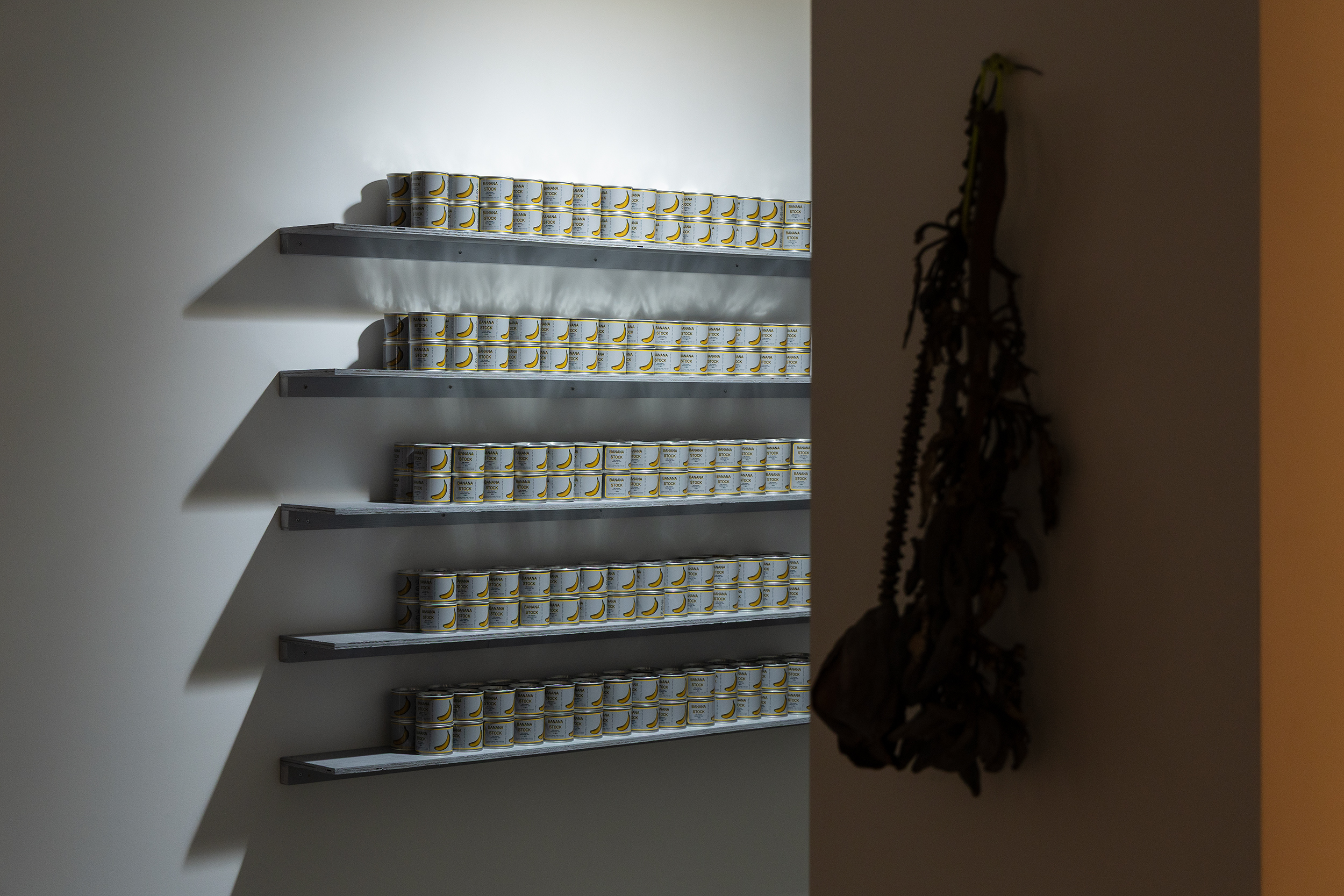
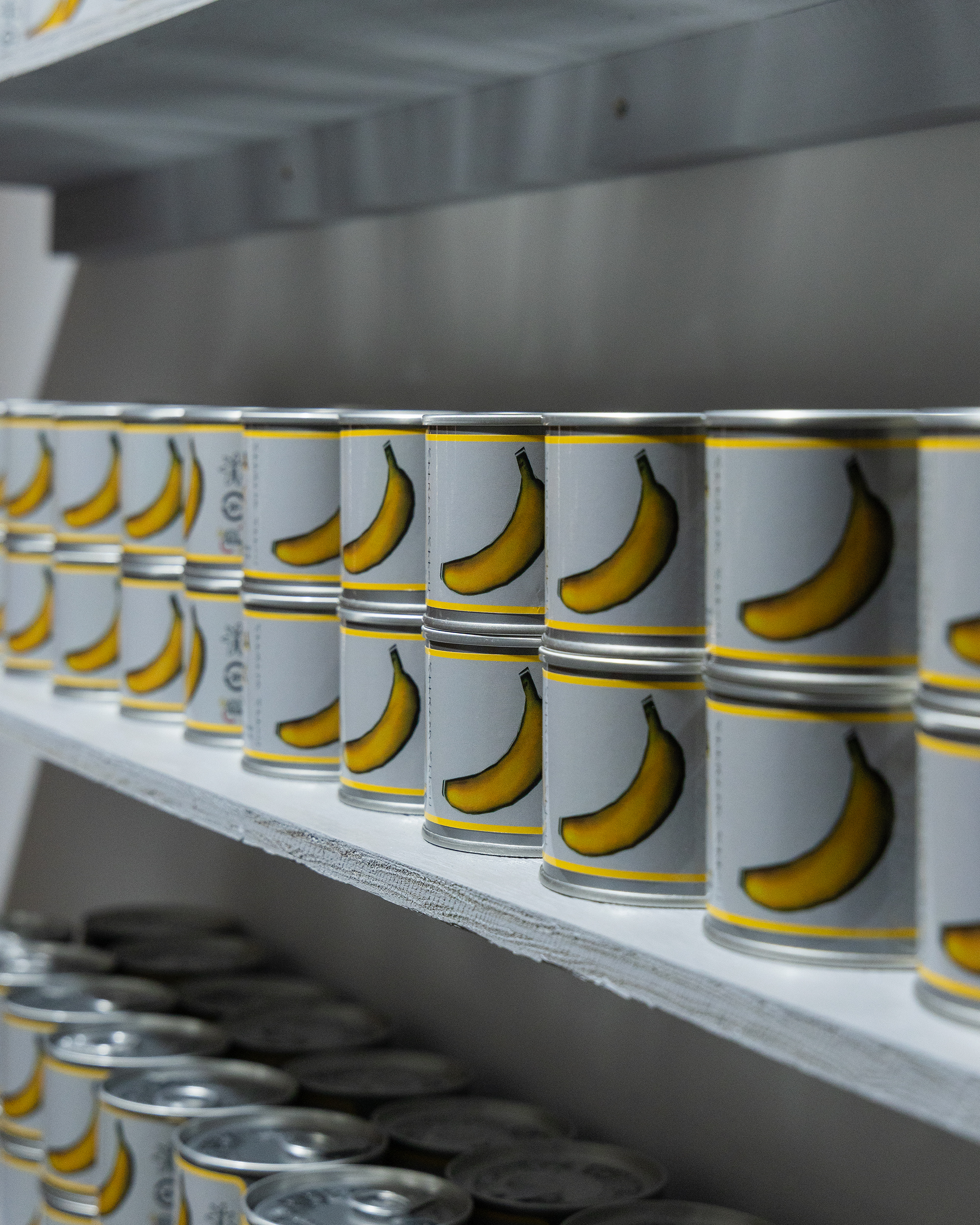
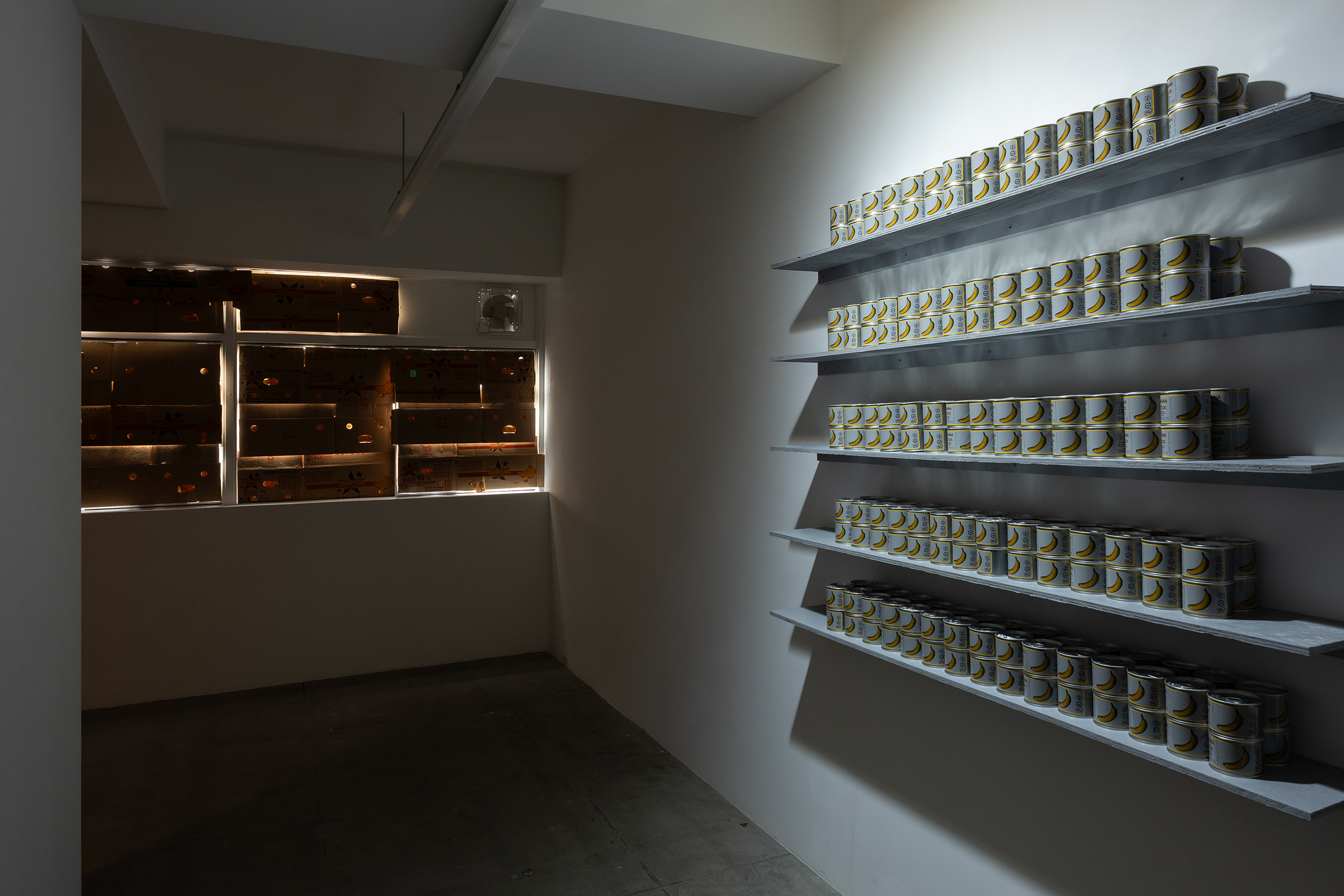
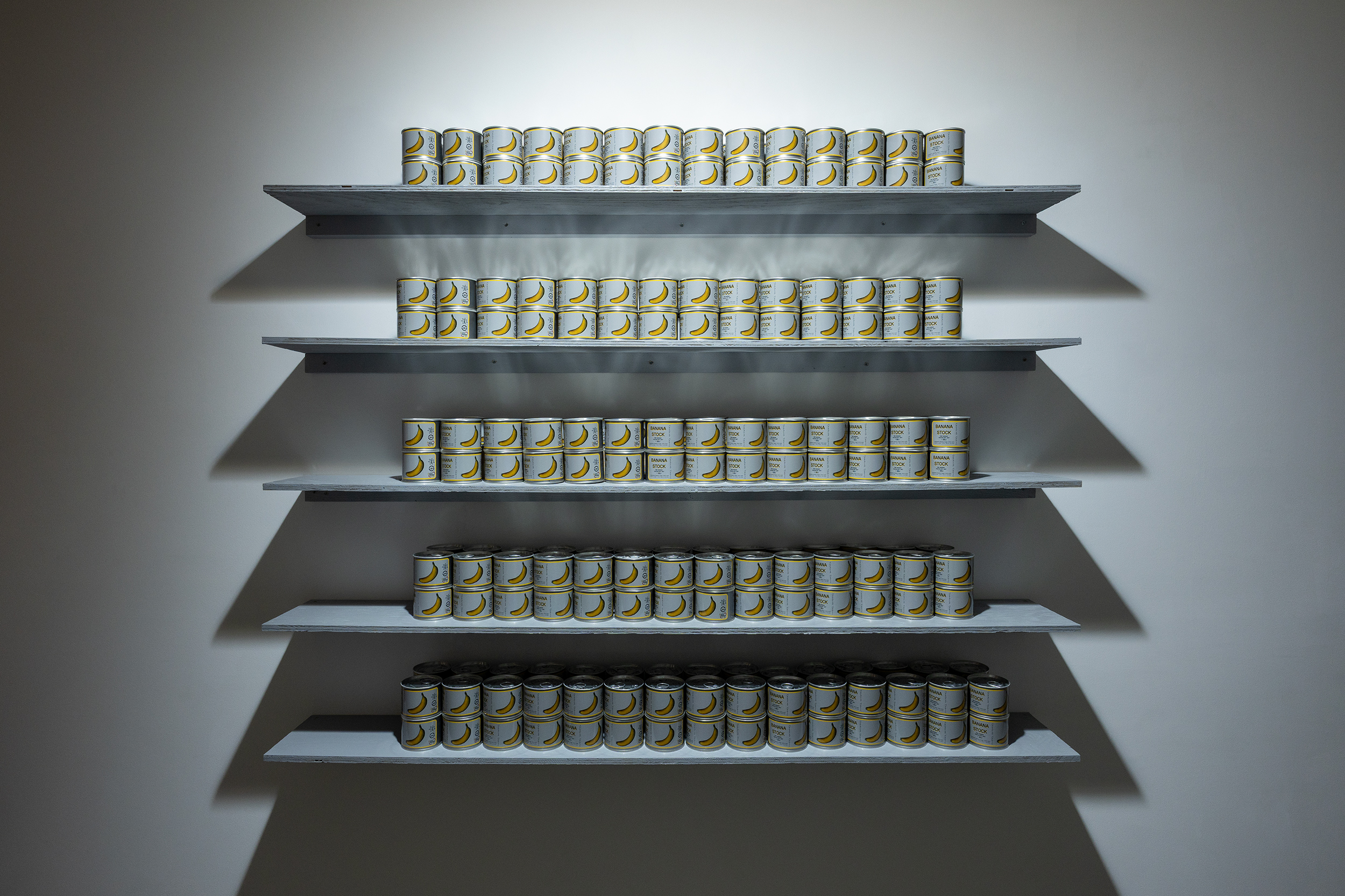
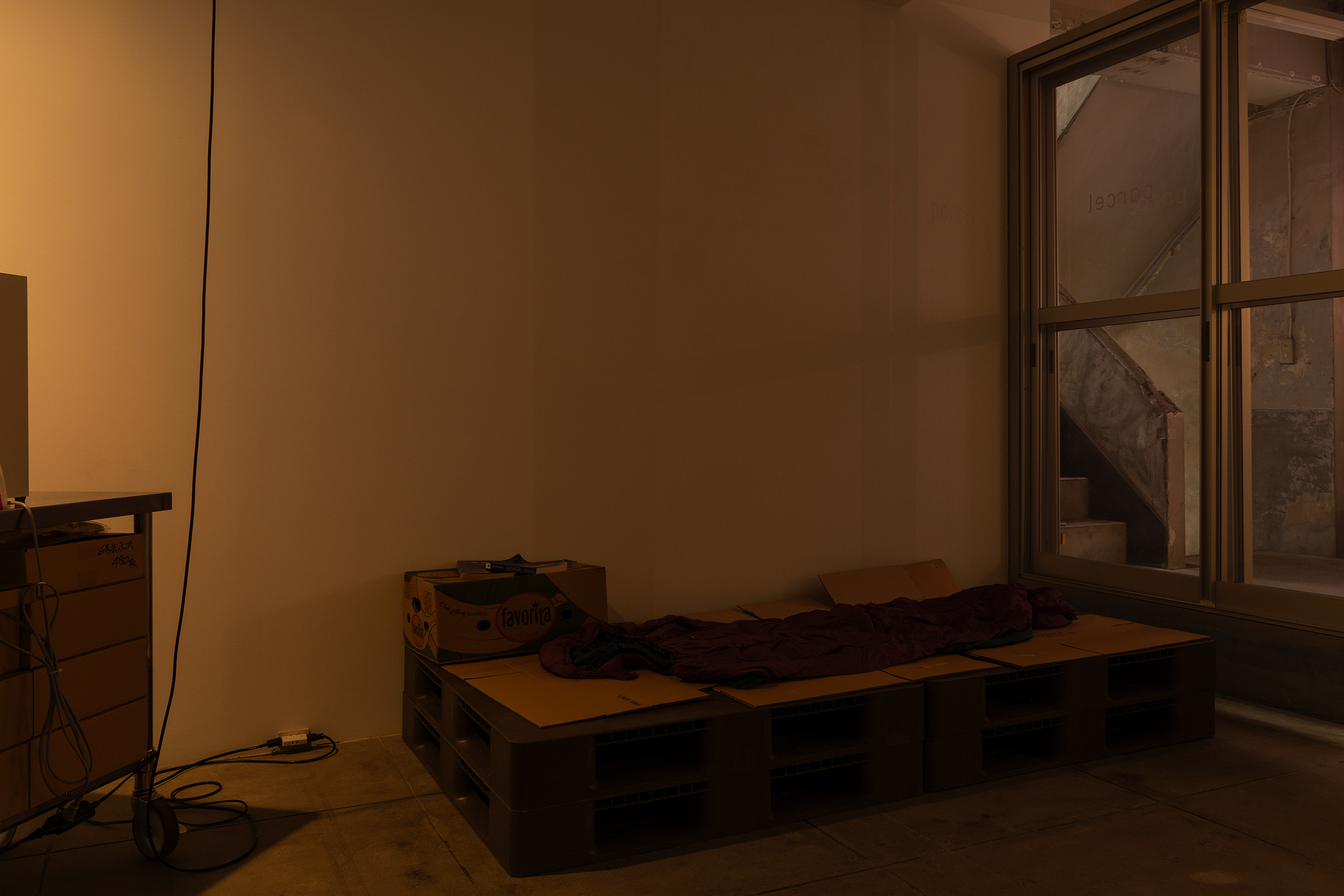
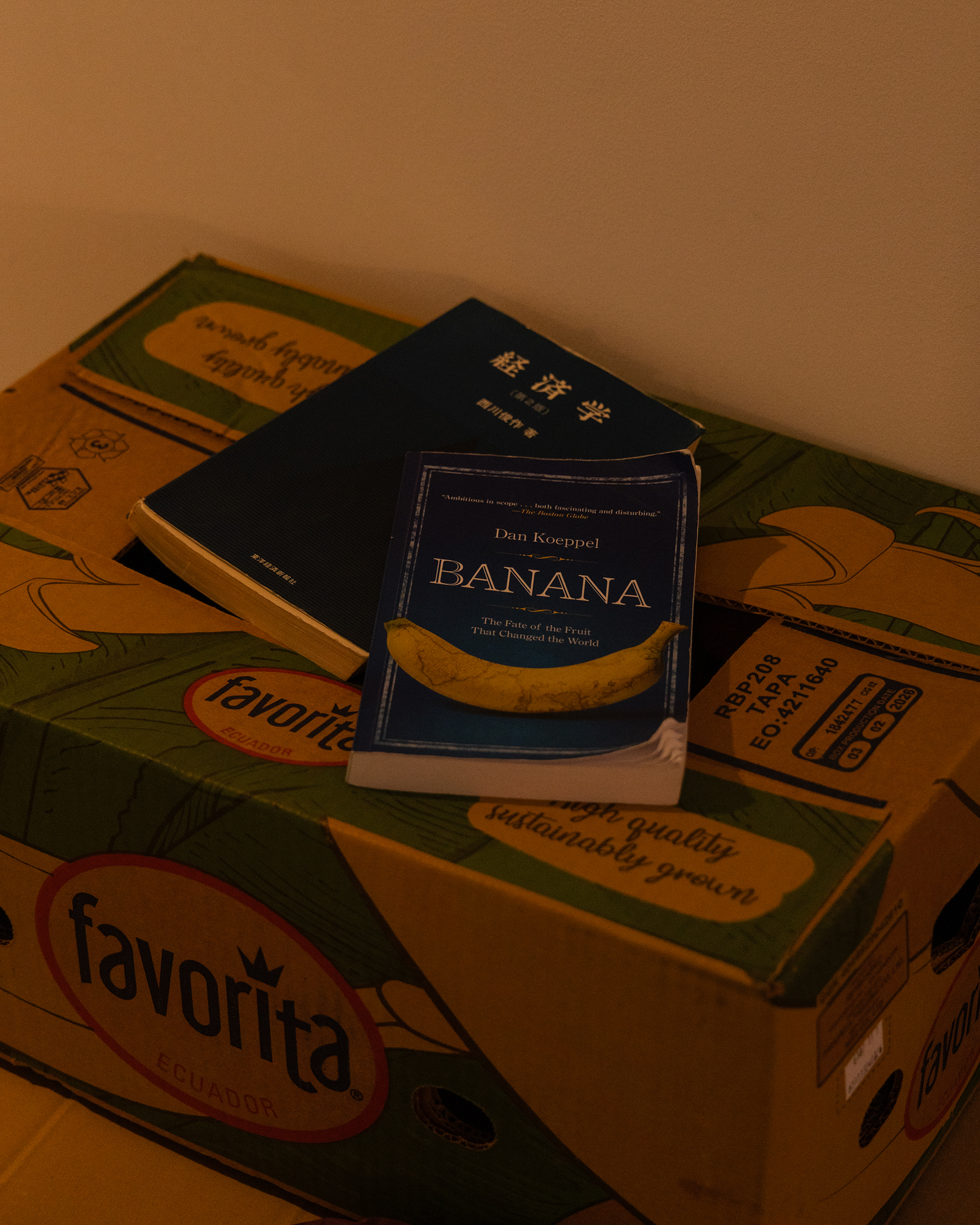
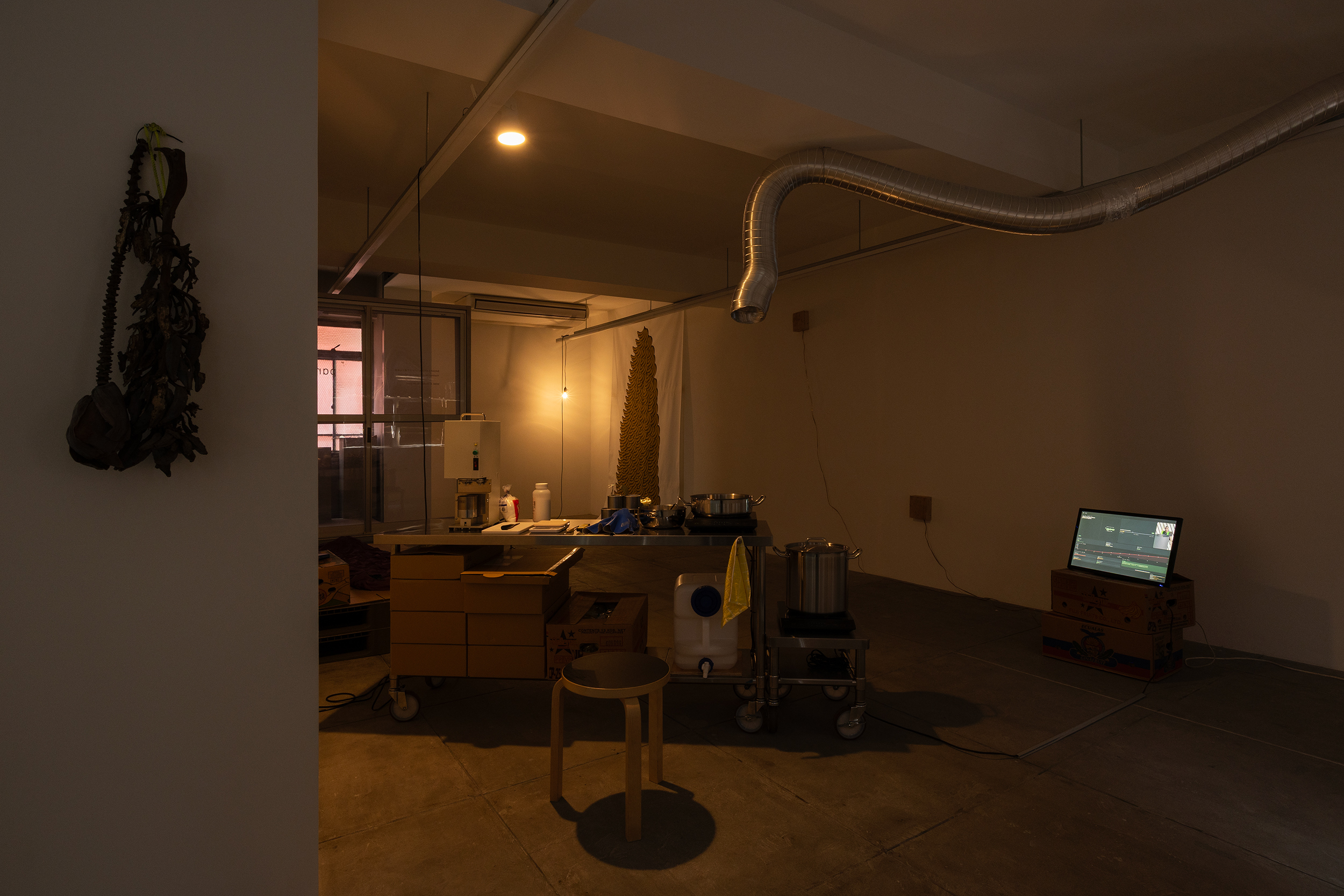
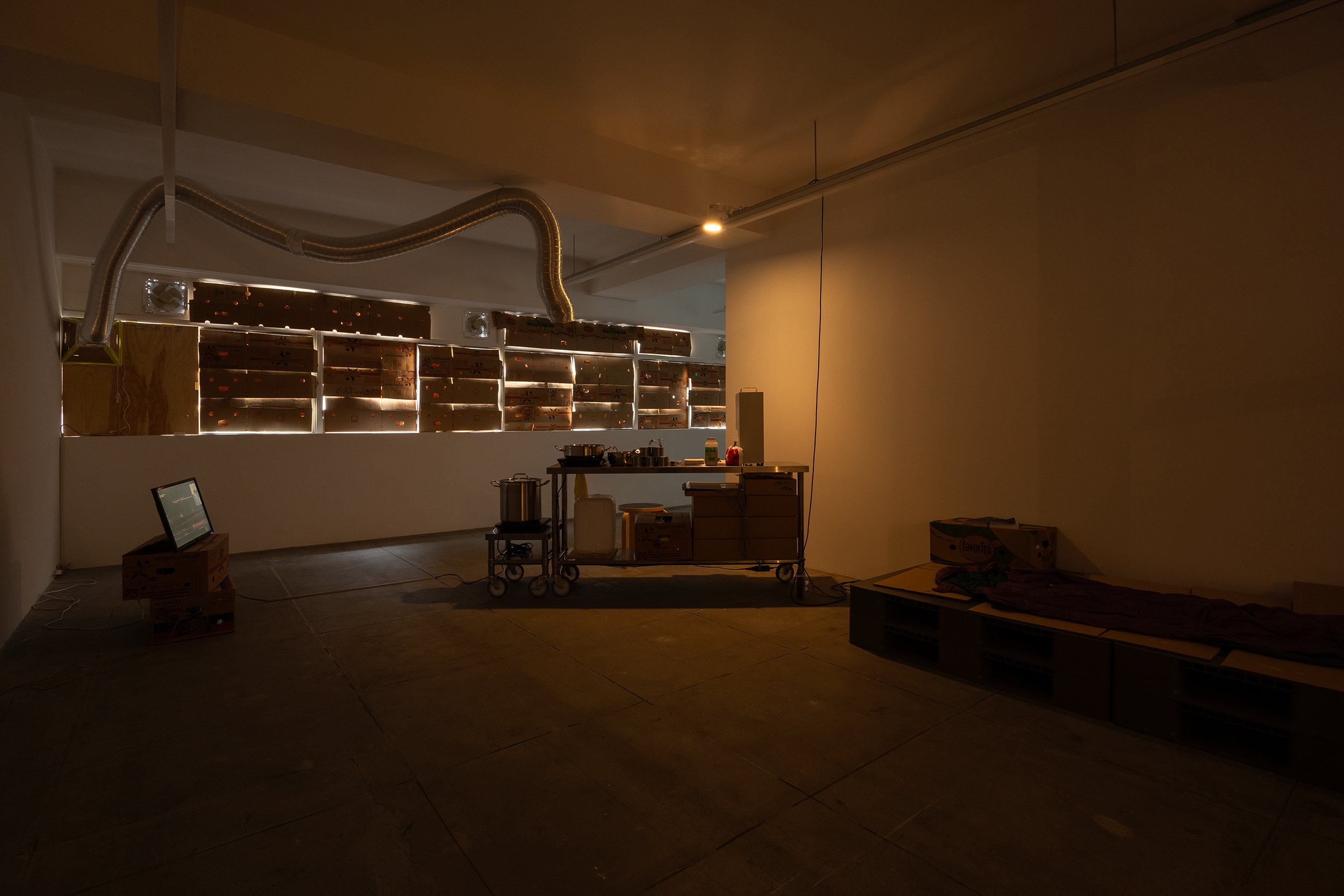
Photo credit: Kohei Omachi (W)
展覧会、各作家、作品等に関するお問い合わせはcontact@parceltokyo.jp までお願いいたします。
For further information regarding this exhibitions or the artists, artworks please contact us at contact@parceltokyo.jp
About the Curator:
石毛健太|Kenta Ishige
石毛 健太(1994年、東京生)は、東京を拠点に活動する美術家、エキシビションメーカー、他副業多数。2018年東京藝術大学大学院美術研究科絵画専攻壁画研究領域修了。参加するプロジェクトにSCANTHE WORLD、Urban Research Group、インストールメンツ、ニューセレモニーがある。都市や郊外について考えていることが多い。
Kenta Ishige (b. 1994, Tokyo) is an artist and exhibition maker based in Tokyo, involved in numerous side projects. He completed his MFA in Painting (Mural Laboratory) at Tokyo University of the Arts in 2018. His active projects include SCAN THE WORLD, Urban Research Group, Installments, and New Ceremony. Much of his practice revolves around contemplating urban and suburban environments.
About the Artist:
Yoshinari Nishiki (aka Inari Wishiki)
Yoshinari Nishiki(奈良生まれ)はロンドン大学ゴールドスミス校カルチュラル・スタディーズセンターでインタラクティブメディアの修士号を取得後、現在は奈良先端科学技術大学院大学で博士後期課程に在籍中。2009年よりテクノロジーとアートの領域で活動を開始し、お金の効率性や生産性の概念に揺さぶりをかけるプロジェクトに取り組む。
形式上生産を伴わず、別の形の価値創出を可能にする「(un)making(アンメイキング)」を提唱し、その実践と研究を通じて究極のエコラベルともいえる「(un)made」認証の制度化を目指す。これまでに手がけたプロジェクトは30件を超え、型破りな資源循環の仕組みを追究し続けている。
Yoshinari Nishiki received a Master’s degree in Interactive Media from the Centre for Cultural Studies at Goldsmiths, University of London, and is currently pursuing an engineering PhD at Nara Institute of Science and Technology.
Since 2009, he has been active in the field of technology and art, developing projects that challenge the efficiency of money and the concept of productivity.
He advocates “(un)making,” a mode of production that enables alternative forms of value creation without technical production. Through both practice and research, he aims to establish the “(un)made” certificate, a system that could function as the ultimate ecolabel. To date, he has led more than thirty projects, continuing to explore unconventional systems of resource circulation.